
Uladzimir Karatkievich (Vladimir Korotkevich) — Belarusian novelist and playwright
Belarusian writer Uladzimir Karatkievich (1930–1984) combined romantic and historical themes in novels, short stories, plays and screenplays, shaping modern Belarusian literature and cultural memory.
Uladzimir Karatkievich (also rendered in Russian as Vladimir Korotkevich; 26 November 1930 – 25 July 1984) was a leading Belarusian novelist, short‑story writer and dramatist. He is best known for blending romantic atmosphere, historical settings and elements of mystery into narratives that helped revive public interest in Belarusian history and folklore. His work spans novels, collections of short fiction, plays, essays and film scripts.
Image gallery
5 Images


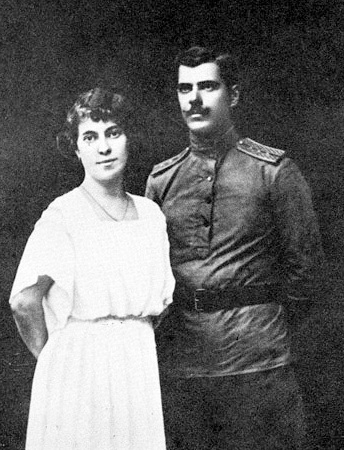

Life and education
Karatkievich was born in Orsha, in the Vitebsk region of what is now Belarus. He completed higher education at Kyiv University in 1954 and later undertook advanced literary studies and courses in cinematography in Moscow. After these studies he devoted himself primarily to literature, producing his first published poem in 1951 and subsequently establishing a career as a professional writer.
Major works and forms
He wrote in several forms and genres, often moving between lyrical short pieces and longer, plot‑driven works. Notable titles frequently cited in discussions of his oeuvre include:
- novels such as the gothic‑tinged The Wild Hunt of King Stakh and The Dark Castle Olshansky
- collections of short stories, including volumes sometimes translated as Chazenia, The Eye of the Typhoon and From Past Ages
- plays and dramatic sketches
- screenplays and scenarios for both short and feature films
- essays and occasional articles on culture and literary themes
- adventure and detective stories that often borrow historical or folkloric material
Themes and style
Karatkievich's fiction is frequently described as romantic in mood, combining an interest in individual feeling with larger historic or legendary backdrops. He drew on Belarusian history, local legends and landscape to create atmosphere and tension. His narratives can include gothic motifs, mystery elements, patriotic reflection and a concern with national memory. He also experimented with cinematic techniques and strong visual description, a likely influence of his studies in cinematography.
Reception and legacy
During his lifetime Karatkievich became one of the most read Belarusian authors of the mid‑20th century. His storytelling helped bring historical episodes and folk motifs into modern Belarusian prose, influencing later writers and popular perceptions of national heritage. Some of his works have been adapted for stage and screen, and his name remains widely recognized in Belarusian cultural history. Readers and scholars continue to discuss his balance of romantic sensibility with historical inquiry and genre variety.
Further reading and context
For readers seeking introductions to his life and writings, brief biographies and collections of selected stories are commonly available in Belarusian and in translation. His development from early poetry to mature prose reflects formal literary training and time spent on advanced literature courses as well as activity in film circles in Moscow. Those researching Soviet‑period Belarusian literature will often encounter Karatkievich among key figures who combined national themes with broader literary movements.
Related aspects often noted in surveys of his career include his place among Belarusian writers, the romantic qualities of many of his stories, his identity as a writer, and his occasional turns toward film and adventure narratives. Together these elements give a sense of a multifaceted author whose work still attracts readers interested in history, mystery and national culture.
Related articles
Author
AlegsaOnline.com Uladzimir Karatkievich (Vladimir Korotkevich) — Belarusian novelist and playwright Leandro Alegsa
URL: https://en.alegsaonline.com/art/102653