
Ubayd Allah al-Mahdi Billah (Saʿīd ibn Ḥusayn) — founder of the Fatimid Caliphate
First Fatimid caliph (r. 909–934), born Saʿīd ibn Ḥusayn; established an Ismaʿili Shiʿite state in North Africa and claimed descent from the Prophet’s family. Founder of Fatimid institutions and capital.
Overview
Ubayd Allah al-Mahdi Billah, originally known as Saʿīd ibn Ḥusayn, was the founder and first caliph-imam of the Fatimid dynasty. He reigned from 909 until 934 and transformed a missionary movement into a territorial state that became the major Shiʿite rival to the Sunni Abbasid caliphate. His rise shaped political and religious developments across North Africa and later influenced the Mediterranean world.
Image gallery
6 Images


Origins and claim to authority
After his public appearance he adopted the regnal name al-Mahdi, asserting both spiritual and temporal leadership. The Fatimid claim rested on descent from the Prophet’s family through Fatimah and her son Husayn and on the doctrine of Ismaʿili succession. This claim placed him within the broader context of Islam's contested caliphal claims, where lineage and religious status were central to legitimacy. He presented himself as an imam-caliph, combining roles of religious guidance and sovereign rule.
Rise to power
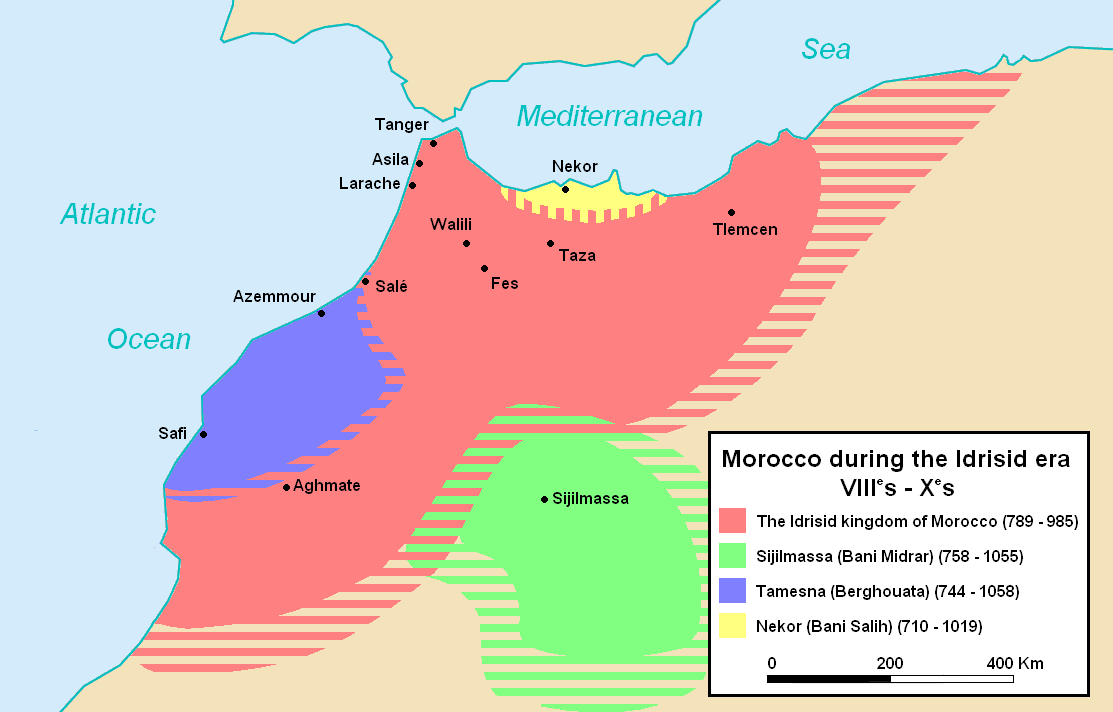
Al-Mahdi's ascent depended on a network of Ismaʿili missionaries and strong local allies. In North Africa, armed supporters—most notably Berber troops organized by Ismaʿili daʿwa leaders—overthrew the Aghlabid authorities and opened the way for Fatimid rule in the early 10th century. Once established, al-Mahdi consolidated control over Ifriqiya (roughly modern Tunisia and parts of Algeria and Libya).
Rule and institutions
During his reign he founded dynastic institutions that combined religious offices with state administration. The Fatimid regime promoted Ismaʿili theology, built patronage networks, and established administrative centers and fortifications. He is credited with founding a new capital on the Tunisian coast to serve as the political heart of the caliphate. The Fatimids maintained an organized chancery, fiscal structures and a standing military drawn from diverse ethnic groups.
Importance and legacy
- Created the only large-scale Shiʿite caliphate of the medieval period, challenging the Abbasid caliphate politically and symbolically.
- Helped spread Ismaʿili missionary activity across North Africa and beyond, influencing later Fatimid culture and learning.
- Left a dynastic model that endured for two and a half centuries and eventually extended into Egypt under his successors.
Notable distinctions and historical context
Al-Mahdi's elevation from a concealed claimant to public sovereign illustrates the interplay of religious doctrine, genealogy and local politics in medieval Islamic history. His story is connected to prominent figures and themes: the role of missionary organization (Fatimid daʿwa), claims of descent from the Prophet Muḥammad, and alliances with regional military groups. Scholars continue to examine how his rule blended spiritual authority with practical statecraft and how the Fatimid project shaped subsequent Islamic polities. For further reading on the movement and its early supporters see biographical entries and introductory surveys of Islamic history and Shiʿa developments.
Dates of reign commonly cited are 909–934; his adoption of the title "al-Mahdi" marked the transition from private claim to public dynasty founder.
Related articles
Author
AlegsaOnline.com Ubayd Allah al-Mahdi Billah (Saʿīd ibn Ḥusayn) — founder of the Fatimid Caliphate Leandro Alegsa
URL: https://en.alegsaonline.com/art/102478
Sources
- archive.mumineen.org : Imam al-Mahdi, the 11th Fatimi Imam.
- iis.ac.uk : Institute of Ismaili Studies London.