
Caliphate: the Islamic office of political and religious leadership
A caliphate is a polity led by a caliph—considered a successor to Muhammad—whose authority combined political, judicial and religious roles. The institution evolved through early rashidun, medieval and modern eras.

Overview
A caliphate is a form of Islamic polity headed by a caliph, a person regarded as the political and, in many traditions, the religious successor to the prophet Muhammad. The term for the institution in Arabic is khilāfa, and the officeholder is often called a khalīfah. Caliphates have taken different forms across history: some were centered on spiritual leadership of the wider Muslim community, while others functioned as territorial states with dynastic rule.
Image gallery
10 Images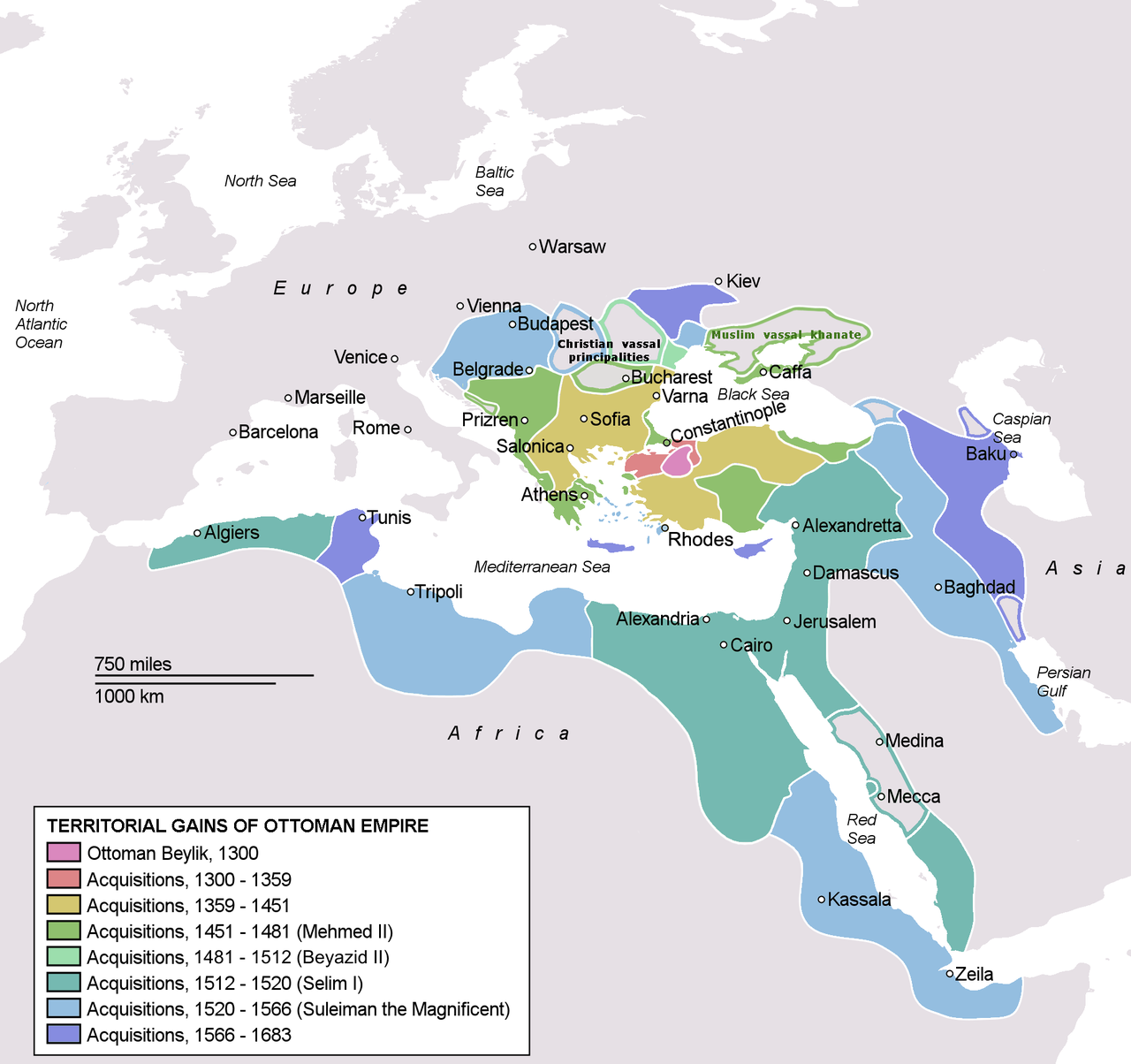

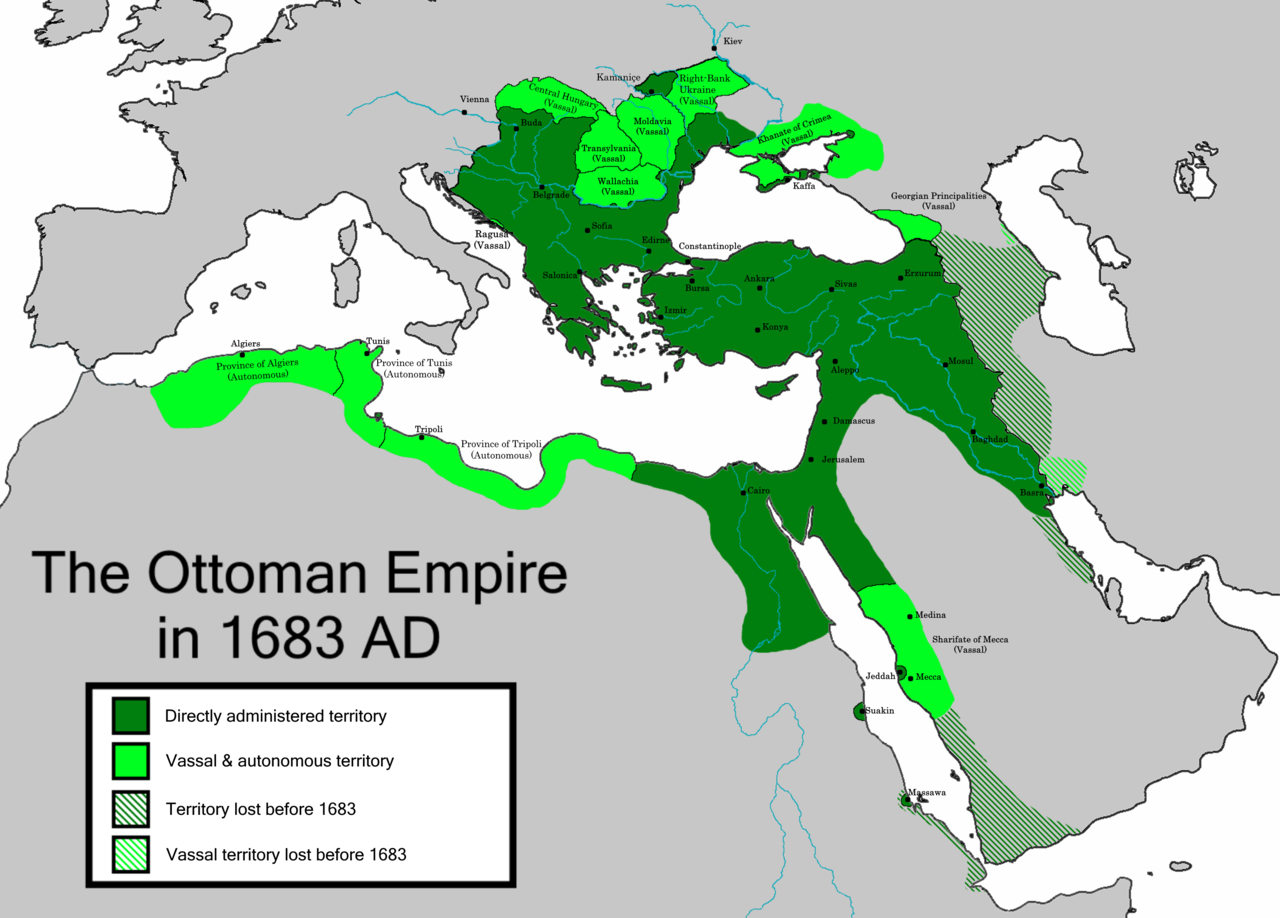


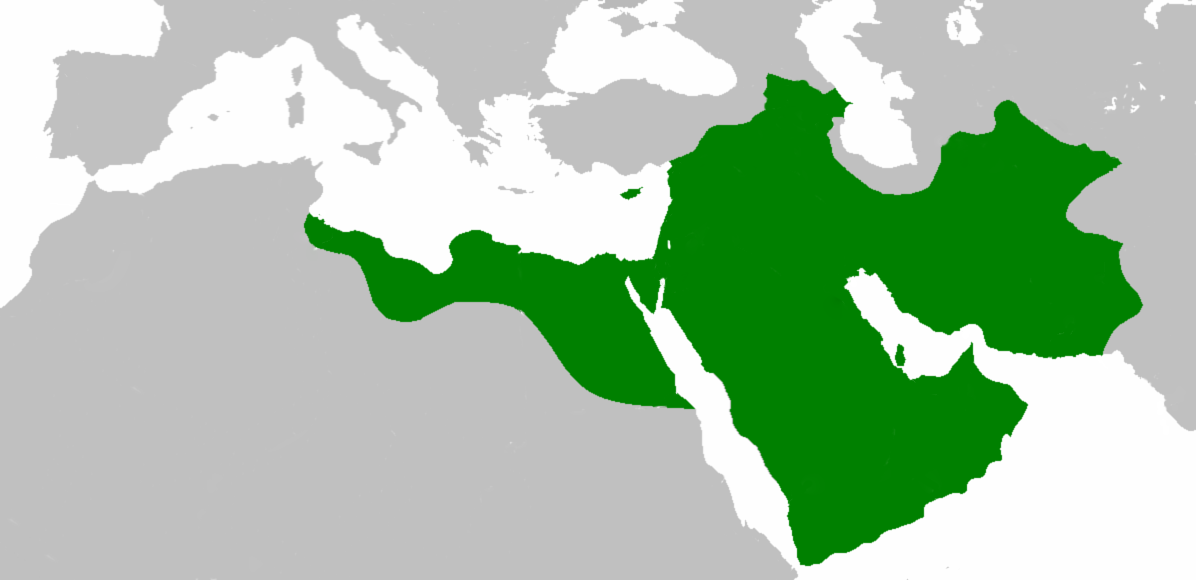


Roles and characteristics
The caliph's responsibilities traditionally combined several domains. They could include:
- executive governance and administration of a state;
- military leadership and protection of Muslim lands;
- oversight of justice and application of Islamic legal principles;
- symbolic representation of unity for the Muslim community (umma).
How these duties were understood and enforced varied by era and by theological orientation. Some communities emphasized consultation (known as shura) in selecting leaders, while others accepted hereditary succession or selection by particular elites.
Historical development
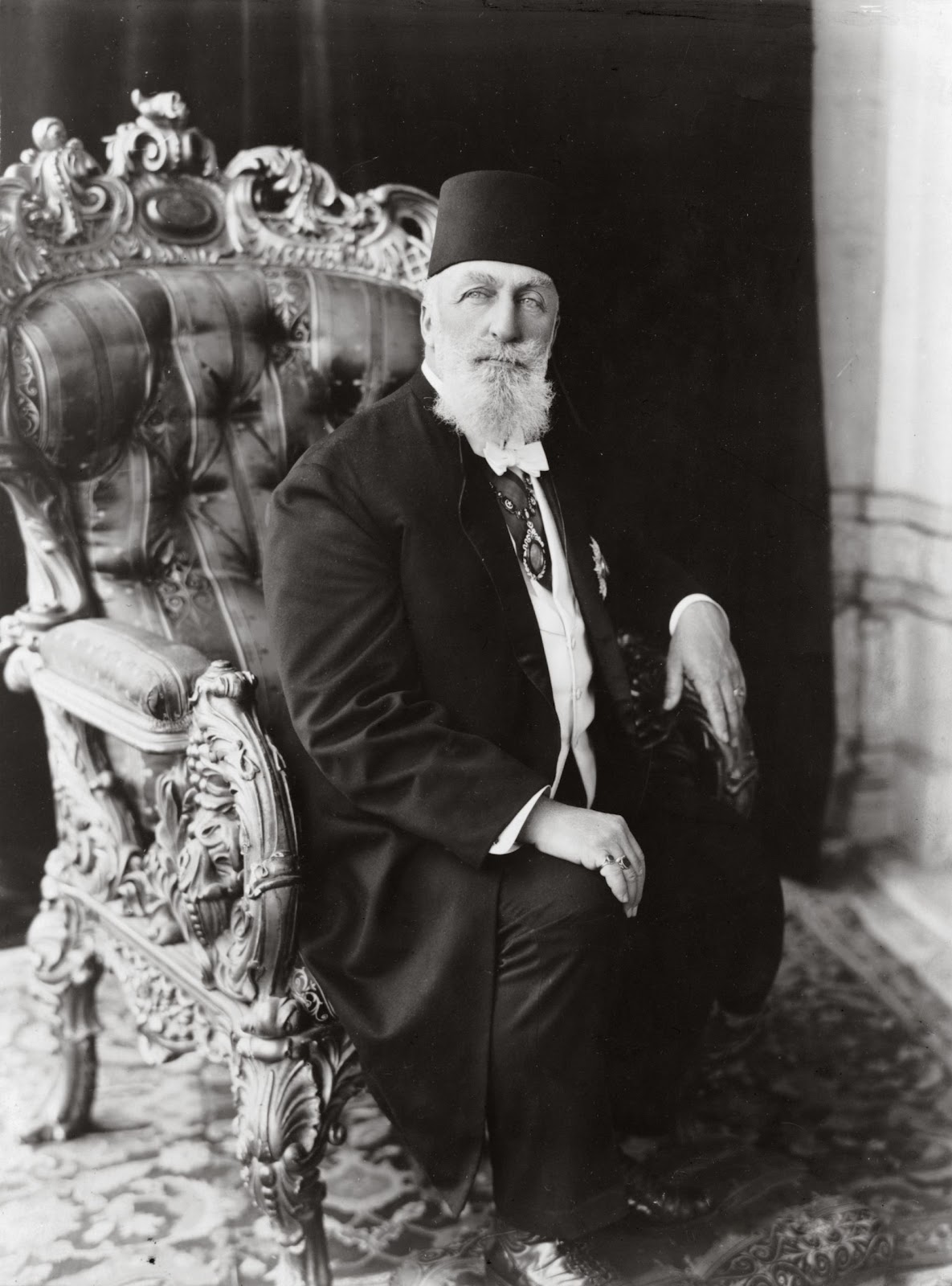
Early Muslim history is commonly divided into successive caliphates and dynasties. The first four leaders after Muhammad—referred to as the Rashidun—are traditionally seen as chosen by community consensus and are central to classical accounts of early governance. Later, major dynasties such as the Umayyads and the Abbasids established powerful hereditary states that spread Islamic rule across vast regions. Over time, the idea of the caliphate adapted to changing political realities: some rulers emphasized religious legitimacy, others asserted mainly temporal sovereignty. In the Ottoman era the sultan claimed the title of caliph and it continued in various forms until the abolition of the Ottoman caliphate by a republican government in the early 20th century.
Sectarian perspectives and selection
Different Muslim traditions hold distinct views on legitimate succession. In Sunni thought the caliph is generally expected to be chosen or accepted by the community or its representatives, and many classical writers stress the importance of election or consensus (Sunni and election). By contrast, Shia theology argues that rightful leadership belongs to an Imamate assigned by divine designation; many Shia hold that the leader must be an imam chosen by God (divine selection) from the Prophet's family, the Ahl al‑Bayt.
Importance and contemporary notes
The caliphate has remained an influential symbol in Muslim political thought even after its practical decline. In the modern era some rulers and movements have claimed or invoked the caliphal title to assert authority or religious legitimacy, while most Muslim scholars and communities reject unilateral declarations that lack broad recognition. Debates over the caliphate touch on questions of law, sovereignty, pluralism and the relationship between religion and state.
Further reading
For background on terminology and historical instances, see studies of early Islamic governance, medieval dynasties, and modern political movements. For the concept of consultative selection see works on shura; for sectarian doctrines compare Sunni and Shia perspectives on leadership (Sunni, Shia). Scholarly sources provide detailed chronologies of major caliphates and analyses of how the institution changed across regions and centuries.
Related topics: the linguistic and legal meanings of khilāfa, biographies of early leaders, and case studies of specific dynasties and state structures in the broader history of Islam. The range of interpretations includes debates about legitimacy, the role of imams, hereditary rule versus election, and the historical impact of dynastic monarchies on the caliphate concept.
Selected links: terminology (khilāfa, khalīfah), foundational figures (Muhammad), community (umma), consultation (shura), historical surveys (Islamic history), models of rule (hereditary monarchies), denominational views (Sunni, Shia), selection methods (election, divine choice), and family claims (Ahl al‑Bayt).
Questions and answers
Q: What is a caliphate?
A: A caliphate is a state ruled by an Islamic leader known as a caliph. This person is considered to be the political-religious successor to the Islamic prophet, Muhammad, and a leader of the entire Muslim community.
Q: Who were the Rashidun caliphs?
A: The Rashidun caliphs were chosen directly after Muhammad as leaders of the Muslim community. They were selected through shura, which is thought to be an early form of Islamic democracy.
Q: How have other Muslim states claimed to be caliphates?
A: During the history of Islam after the Rashidun period, many Muslim states, mostly hereditary monarchies, have claimed to be caliphates.
Q: Are caliphs thought to have prophetic power like Muhammad did?
A: No, caliphs are not thought of as having prophetic power like Muhammid did.
Q: How should Sunni Muslims select their Caliph?
A: In Sunni Islam, a Caliph should be elected by Muslims or their representatives.
Q: How do Shia Muslims select their Caliph?
A: Followers of Shia Islam believe that a Caliph should be an imam chosen by God from the Ahl al-Bayt (the "Family of the House", Muhammad's direct descendants).
Related articles
Author
AlegsaOnline.com Caliphate: the Islamic office of political and religious leadership Leandro Alegsa
URL: https://en.alegsaonline.com/art/16158