
UEFA Euro 2008 — European Championship hosted by Austria and Switzerland
The 13th UEFA European Championship, held 7–29 June 2008 in Austria and Switzerland. Spain won the tournament, beating Germany 1–0 in the final and beginning a dominant era for Spanish football.
Overview
The 2008 UEFA European Championship was the 13th edition of UEFA's continental national team competition. It was staged as a joint tournament in Austria and Switzerland, running from 7 June to 29 June 2008. Sixteen qualified teams took part, progressing from an initial group phase to knockout rounds that culminated in a single-match final.
Image gallery
10 Images




Format and venues
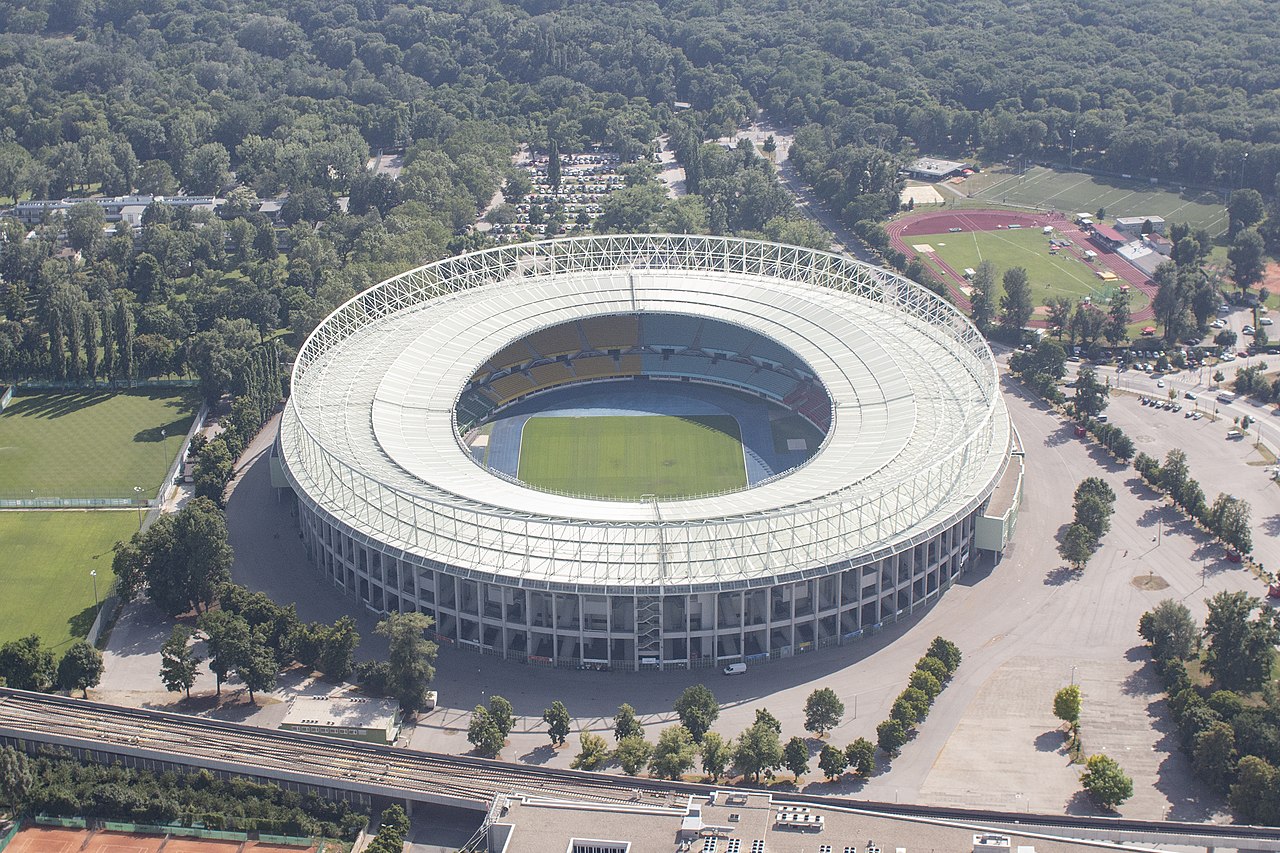
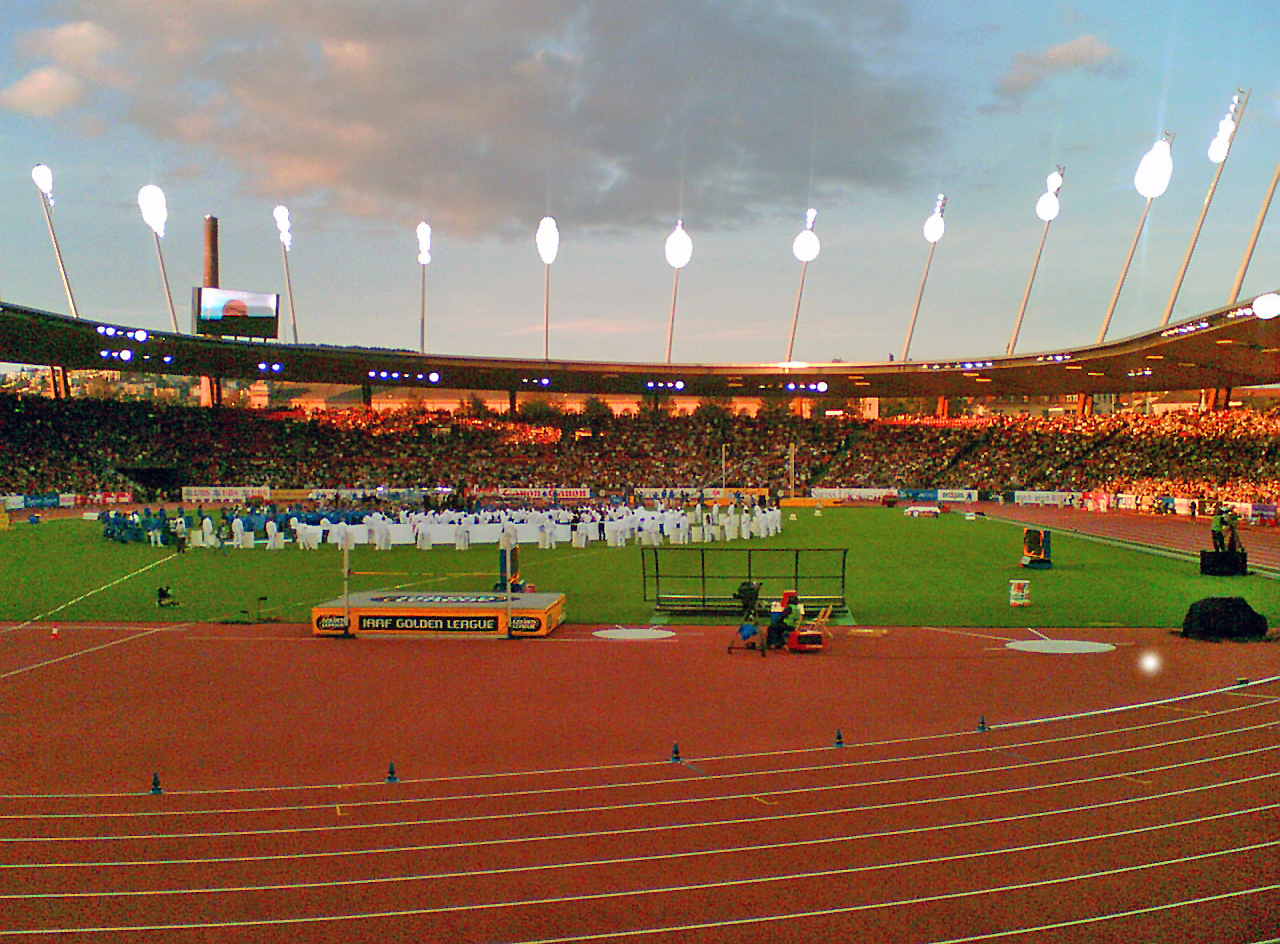
The competition followed the familiar four-groups-of-four format: the top two teams from each group advanced to quarter-finals, then semi-finals and the final. Matches were played across stadiums in both host countries, combining established football venues with upgraded facilities and logistics shared between the two national organizing committees. The shared-host model required cross-border transportation and coordination of accommodation, security and broadcasting.
The final and key results
Spain emerged as champions after defeating Germany 1–0 in the final. The winning goal came from a Spanish forward, sealing a narrow victory in a match that showcased Spain's technical midfield play and possession-based approach. Spain completed the tournament without suffering defeat, a notable achievement that marked the start of a highly successful period for the national side.
Notable teams and performances
The tournament included established powers and surprise performers. Defending champions from 2004, Greece, were unable to repeat their previous success and failed to record any points in the group stage despite entering as holders of the UEFA Euro 2004 title. The 2008 event highlighted both the volatility of international tournaments and the emergence of a Spanish side that would go on to dominate world and European football in the following years.
Historical significance and style
Euro 2008 is often remembered for the consolidation of a possession-oriented, short-passing style led by Spanish midfielders that influenced club and international football. The victory is frequently cited as the beginning of Spain's golden era, followed by success at the 2010 FIFA World Cup and UEFA Euro 2012. Observers noted tactical evolutions, the growing importance of technical midfield control, and a generation of players who combined club-level familiarity with national-team cohesion.
Key facts
- Hosts: Austria and Switzerland.
- Dates: 7 June to 29 June, 2008.
- Champion: Spain, defeating Germany in the final.
- Undefeated title: Spain won the tournament without a loss, the first side to do so since 1996.
- Notable decline: Former champions Greece exited without points after their 2004 triumph.
The 2008 European Championship combined competitive balance, memorable tactical displays and the logistical challenge of a joint host arrangement, leaving a lasting influence on the international game.
Questions and answers
Q: What year was the 2008 UEFA European Football Championship held?
A: The 2008 UEFA European Football Championship was held in 2008.
Q: Where was the 2008 UEFA European Football Championship hosted?
A: The 2008 UEFA European Football Championship was hosted by Austria and Switzerland.
Q: When did the Euro 2008 take place?
A: The Euro 2008 took place between June 7 and June 29, 2008.
Q: Who won the Euro 2008?
A: Spain won the Euro 2008, defeating Germany 1-0.
Q: Did Spain become the first team since 1996 to win undefeated at the Euro 2008?
A: Yes, Spain became the first team since Germany in 1996 to win undefeated at the Euro2008.
Q: How did Greece fare at the UEFA Euro 2004 championship?
A: Greece, who were champions of UEFA Euro 2004, recorded their worst finish in UEFA Euro2008 with no points for Group Stage and least amount of money earned.
Q: What did Spain do that made them unique compared to other teams at EURO2008?
A:Spain became the first team since Germany in 1996 to win undefeated at EURO2008 which made them unique compared to other teams.
Related articles
Author
AlegsaOnline.com UEFA Euro 2008 — European Championship hosted by Austria and Switzerland Leandro Alegsa
URL: https://en.alegsaonline.com/art/102537