
UEFA Women's Euro 2013
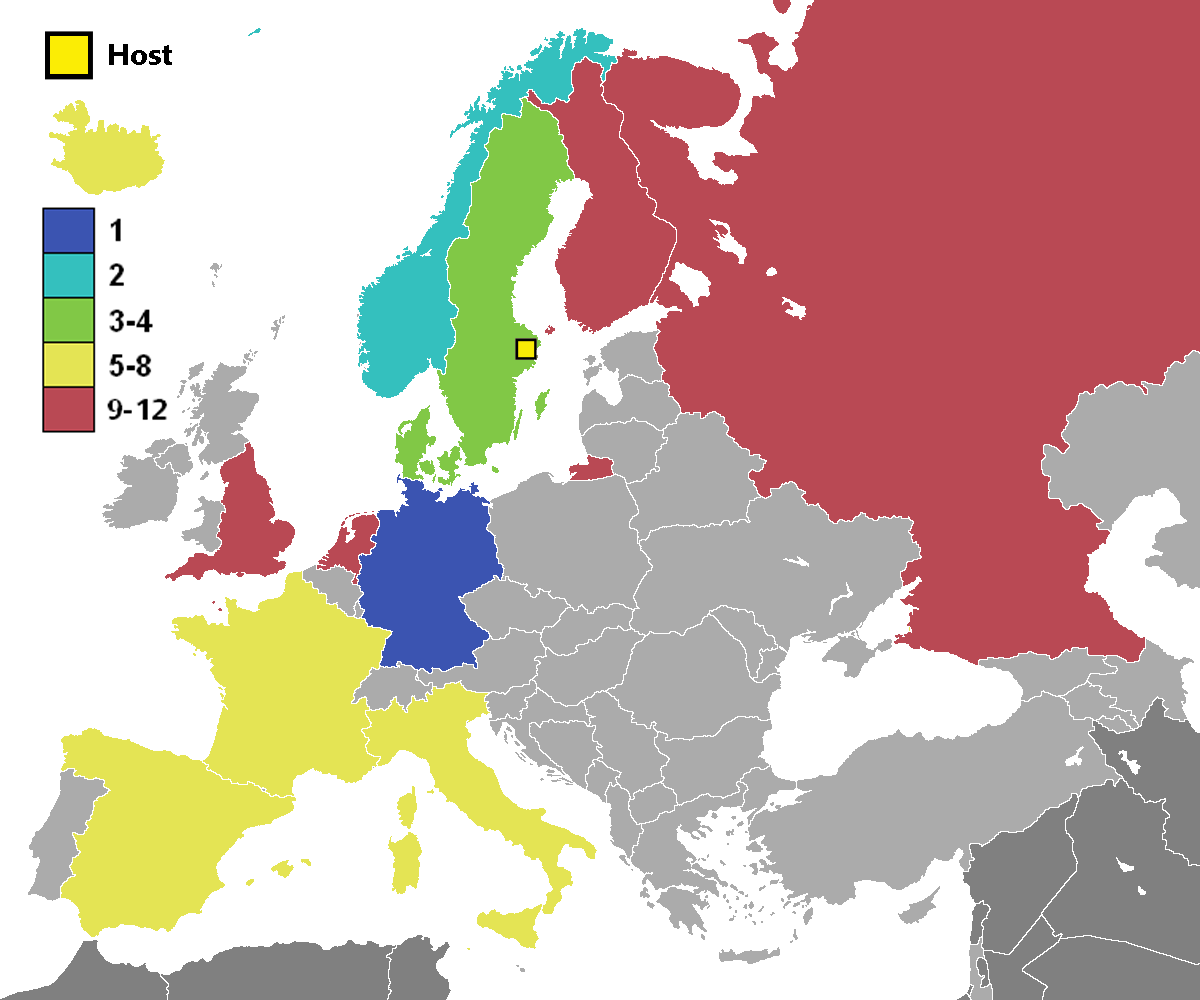
The 2013 UEFA European Women's Championship was held in Sweden from 10–28 July, featured 12 teams, and concluded with Germany winning the title for the sixth time in a row.
Overview
The UEFA Women's Euro 2013 was the 11th edition of Europe's premier international competition for women's national football teams. Hosted by Sweden from 10 to 28 July 2013, the tournament brought together twelve national sides to contest the continental championship. The competition reinforced the growing profile of women's football in Europe and continued a period of dominance by the German national team. For official background and records see UEFA's tournament page.
Image gallery
9 Images




Format and participating teams
Twelve teams qualified for the final tournament. The finals were organized with a group stage followed by knockout rounds: three groups of four teams played round-robin matches, and the top two teams from each group together with the two best third-placed sides advanced to the quarter-finals. From there, single-elimination matches decided the semi-finalists and finalists.
Venues and schedule
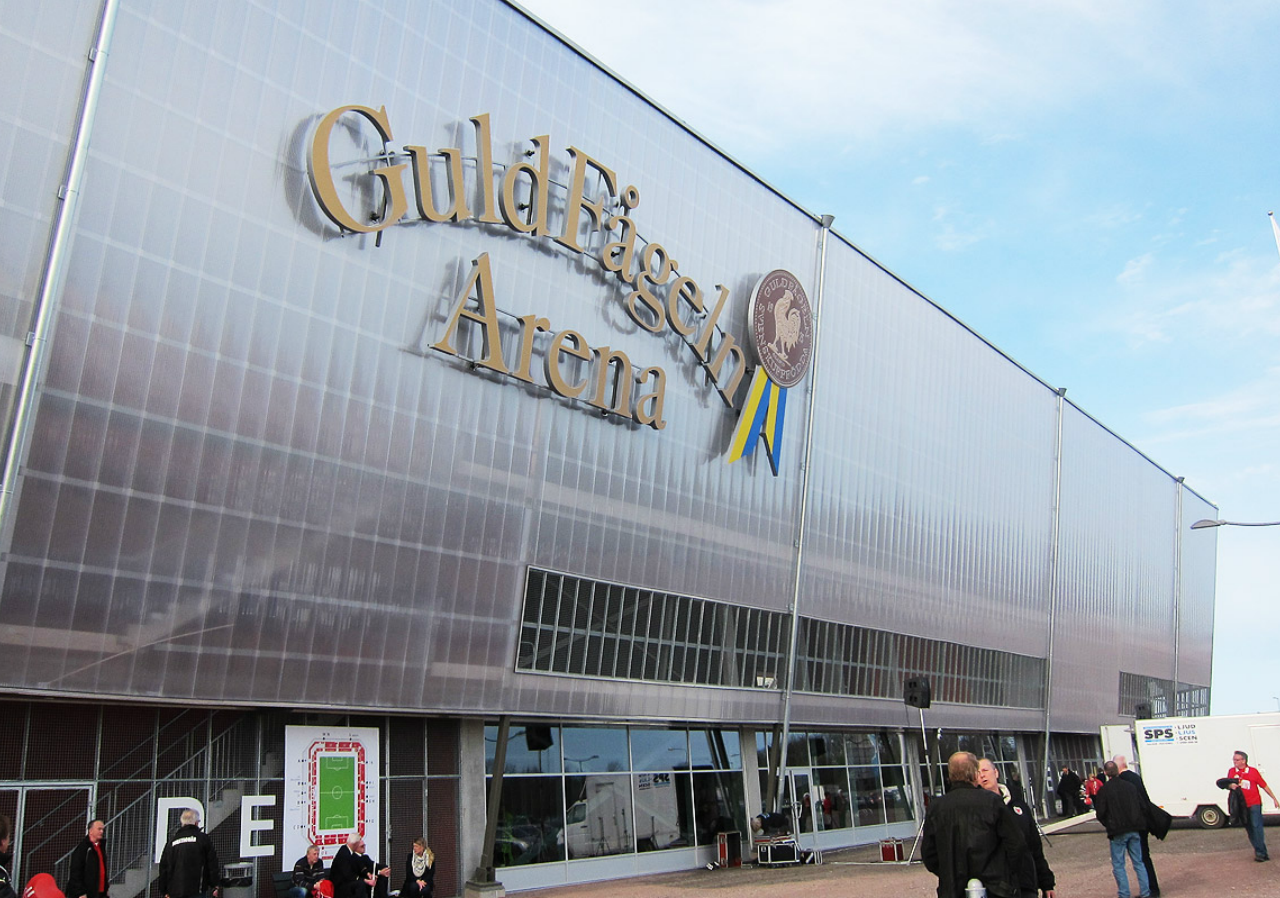
Matches were staged at several stadiums across Sweden, allowing supporters in different regions to attend games and benefiting local organizers. The tournament ran for just under three weeks in mid-July, a traditional scheduling choice that aligned with domestic league calendars and summer conditions conducive to travel and fan attendance. For host information see Sweden as host nation.
Key outcomes and notable facts
Germany won the competition, continuing a remarkable run in European women's football. The German team secured the title once again, defeating Norway in the final to add to their sequence of European championships. Germany's triumph in 2013 further established their status as a dominant force in the women's game; for details on the team and legacy see Germany squad and records.
Legacy and significance
The 2013 finals contributed to rising interest in women's international football across Europe. Media coverage, crowd engagement at stadiums, and the performance levels on display encouraged investment in domestic women's leagues and youth development programs in multiple countries. The tournament also served as an important milestone for players and coaches who used the experience to build careers at club and international level.
Distinctions and context
- The event was the 11th UEFA Women's Championship and continued the pattern of biennial/quadrennial European competitions under UEFA's governance.
- It featured an intermediate-sized final tournament (12 teams), a format designed to balance competitive depth with manageable logistics.
- The competition highlighted both established powers and emerging national teams, illustrating the widening competitiveness of women's football in Europe.
Together, these elements make UEFA Women's Euro 2013 a significant chapter in the development of women's international football, remembered for its competitive matches, host-country staging, and the continuation of Germany's success on the continental stage.
Questions and answers
Q: What is the UEFA Women's Euro 2013?
A: The UEFA Women's Euro 2013 is the 11th UEFA Women's Championship tournament held in Sweden from 10-28 July.
Q: Who won the UEFA Women's Euro 2013?
A: Germany won the UEFA Women's Euro 2013 and it was their 6th consecutive title and their 8th overall.
Q: When was the UEFA Women's Euro 2013?
A: The UEFA Women's Euro 2013 was held from 10-28 July.
Q: How many times has Germany won the UEFA Women's Euro Championship?
A: Germany has won the UEFA Women's Euro Championship 8 times, including the 2013 edition.
Q: What was the location of the UEFA Women's Euro 2013?
A: The UEFA Women's Euro 2013 was held in Sweden.
Q: How many teams participated in the UEFA Women's Euro 2013?
A: It is not mentioned in the text how many teams participated in the UEFA Women's Euro 2013.
Q: Did Germany win their 6th consecutive title in the UEFA Women's Euro 2013?
A: Yes, Germany won their 6th consecutive title and their 8th overall in the UEFA Women's Euro 2013.
Related articles
Author
AlegsaOnline.com UEFA Women's Euro 2013 Leandro Alegsa
URL: https://en.alegsaonline.com/art/102558