
Tube amplifier
An amplifier that uses vacuum tubes (thermionic valves) to increase audio or radio-frequency signals; valued for its tonal character, historical role, and continued use in hi‑fi and musical instruments.
A tube amplifier is an electronic amplifier that relies on vacuum tubes — also called thermionic valves — to increase the amplitude of electrical signals. Tube designs were the dominant amplification technology through much of the 20th century and remain popular for certain audio, musical and broadcast applications. The term covers everything from small headphone preamps to high-power output stages used in loudspeakers and instrument amplifiers. For a general overview of amplifier types see amplifier.
Image gallery
7 Images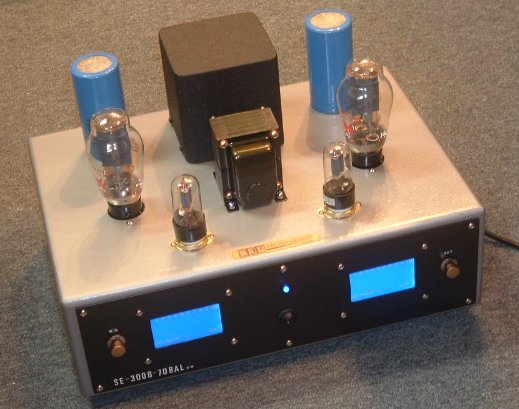




Principal parts and operating characteristics
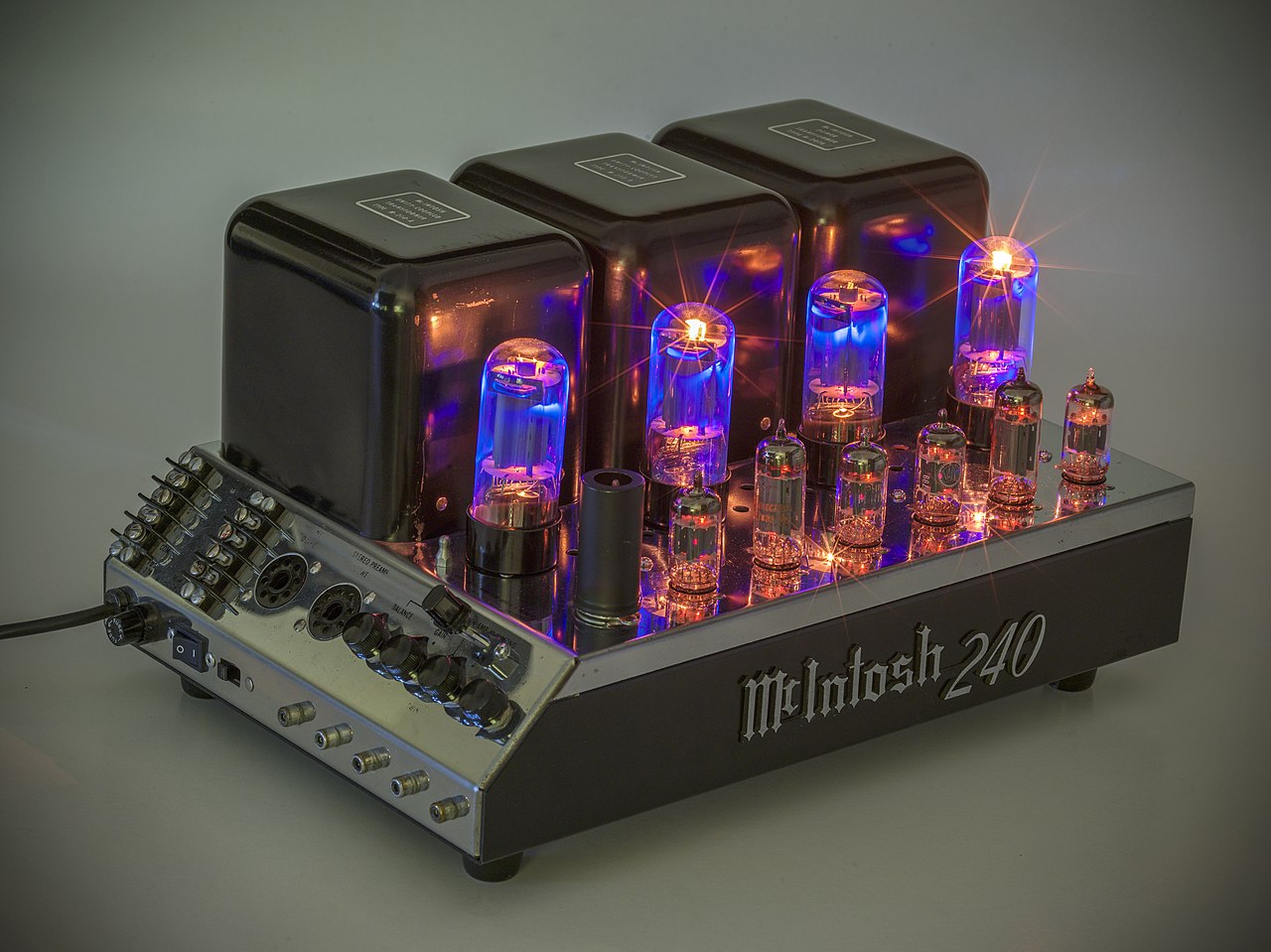
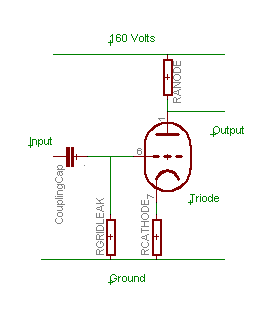
Typical tube amplifiers include one or more vacuum tubes, a power supply with high-voltage components, input and output coupling circuits, and often an output transformer. Common tube families include triodes, tetrodes and pentodes; specialized devices such as rectifier tubes provide the DC supply rails. Tube circuits can be built as single-ended or push–pull stages, each with differing distortion and efficiency characteristics. For more on vacuum tubes, refer to vacuum tubes.
- Key components: tubes, transformers, capacitors/resistors, chassis and power supply.
- Topologies: single-ended, push–pull, cascaded preamp stages, and cathode followers.
- Variations: all-tube designs, hybrid tube/solid-state hybrids, and tube preamplifiers paired with transistor power stages.
History and development
Early vacuum tube amplifiers enabled long‑distance telephony, radio broadcasting and the first electronic audio systems. As semiconductor transistors matured in the mid-20th century, many manufacturers replaced tubes with smaller, cooler and more reliable solid-state parts. Despite this shift, tubes never entirely disappeared and have experienced periodic revivals driven by musical instrument makers and audiophiles.
Why some listeners prefer tubes
Many enthusiasts describe tube sound as "warm" or more musical. Part of that perception arises from the way tubes distort: they tend to produce higher levels of even-order harmonic content and a softer clipping behavior compared with transistors, which some listeners find more pleasant. Discussions of perceived sound quality often compare tube and transistor designs; see the transistor comparison transistors and the topic of perceived sound.
Uses, advantages and trade-offs
Tube amplifiers are commonly used in guitar and bass amplifiers, high-end hi‑fi systems, and specialized recording equipment. Advantages include distinctive tonal coloration, dynamic compression and a long tradition of repairable, modular construction. Trade-offs include greater heat generation, larger size, shorter tube life, higher running costs and generally higher measured distortion — a technical point often noted in debates over objective fidelity (distortion).
Today, tube amplifiers remain a niche but influential technology: embraced for their historical importance, their role in shaping modern music, and the particular sonic qualities they impart. Whether chosen for tone, nostalgia, or hands-on maintenance, tubes continue to occupy a visible place in audio and musical instrument culture.
Related articles
Author
AlegsaOnline.com Tube amplifier Leandro Alegsa
URL: https://en.alegsaonline.com/art/101924