
Tupolev Tu-334 — Russian short-to-medium range airliner project
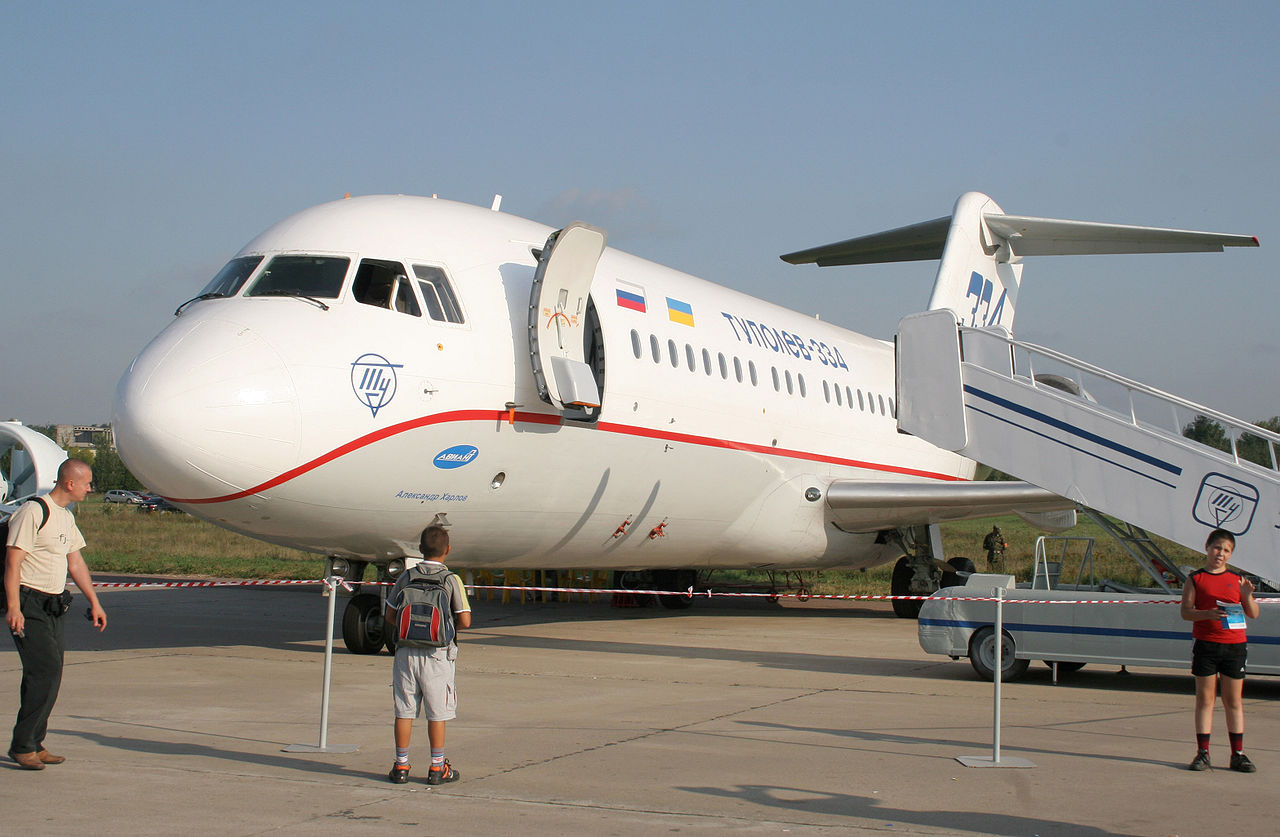
The Tupolev Tu-334 was a post‑Soviet Russian project for a short-to-medium range regional airliner. Prototypes were built and evaluated, but the type did not enter large-scale commercial production.
Overview
The Tupolev Tu-334 was a Russian civil airliner project developed after the Soviet era to serve short-to-medium range routes and to replace older regional jets. The programme aimed to produce a modern, fuel-efficient narrow-body aircraft suitable for domestic trunk routes and regional services operated by Russian carriers. Prototypes and demonstrators were completed and flown in support of certification and evaluation, but the type did not proceed to mass production.
Image gallery
6 Images



Design goals and characteristics
Designers sought improved operational economy, lower environmental impact and greater passenger comfort compared with the earlier Soviet generation. Emphasis was placed on more efficient aerodynamics, modern turbofan powerplants and contemporary avionics to reduce crew workload and maintenance costs. Layout concepts focused on a single-aisle cabin with flexible seating arrangements and simplified systems to suit diverse airline needs.
Variants and adaptability
During the programme several variants were proposed to widen market appeal, including shorter and stretched fuselage versions and versions adapted for higher payload or longer range. Proposals also included freight, corporate and combi configurations to increase versatility. A range of engine options and updated flight-deck equipment were considered to meet different airline preferences and regulatory requirements.
Development history
The Tu-334 emerged in the 1990s amid broader efforts by Russian manufacturers to modernize the civil fleet. While engineering work advanced to flying prototypes and ground test articles, the programme was constrained by financial pressures, fragmented industrial capacity and strong competition from established Western regional jet manufacturers. These commercial and economic factors limited orders and ultimately prevented full-scale production.
Legacy and significance
Although it did not enter widespread service, the Tu-334 is notable as a transitional effort in post‑Soviet Russian civil aviation. Technical and organisational lessons from the programme contributed to later projects and retained value within the industry. The programme illustrates challenges faced by national manufacturers competing in a global market dominated by established international suppliers.
Notable facts
- The Tu-334 reached prototype and demonstrator stages but did not achieve mass production.
- It was intended to replace aging Soviet-era regional airliners and to meet modern noise and emissions expectations.
- The programme encountered financial, industrial and market competition issues common to post-Soviet aviation projects.
Related articles
Author
AlegsaOnline.com Tupolev Tu-334 — Russian short-to-medium range airliner project Leandro Alegsa
URL: https://en.alegsaonline.com/art/102046