
Tux — the penguin mascot of Linux
Tux is the widely recognized penguin mascot associated with the Linux operating system, created as a friendly symbol for the kernel and used in software, artwork and games since the mid‑1990s.
Overview
Tux is the familiar cartoon penguin that serves as the unofficial mascot of the Linux ecosystem. Designed to be approachable and playful, Tux is commonly used to indicate that software or hardware is compatible with the operating system. The image is closely identified with the free and open‑source community and appears in documentation, merchandise, and promotional artwork. The original artwork was created by Larry Ewing in 1996.
Image gallery
5 Images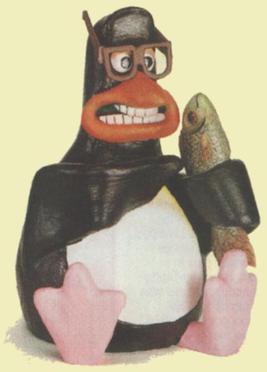




Design and characteristics
Tux is rendered as a chubby, seated penguin with a black back, white belly and yellow feet and beak. The pose and expression are deliberately nonthreatening and somewhat whimsical, which helped the character spread quickly among users. Variants and fan art often adapt Tux’s pose, clothing or accessories to represent specific distributions, projects, events, or inside jokes within the community.
Name and origin
The nickname "Tux" was proposed early in the mascot’s history and is a contraction that evokes more than one idea. One commonly cited derivation is from "Torvalds' UniX", referencing Linus Torvalds, the principal author of the Linux kernel. The name also plays on the word tuxedo, a humorous nod to the penguin’s black‑and‑white coloring. The mascot itself came from a combination of community suggestions and a small design contest that produced the widely used image.
Uses and appearances
Tux appears across many contexts where Linux is present. Examples include software splash screens, educational materials, promotional items and conference logos. Tux is also the protagonist or a character in a number of open‑source games and projects, which introduced the mascot to wider audiences beyond system administrators and developers:
- SuperTux and SuperTuxKart — platform and kart racing games that feature Tux as a playable character.
- Tux Racer — an early popular 3D downhill racing game starring the penguin.
- Educational apps and tutorials that use Tux as a friendly guide for newcomers to Unix‑like systems.
Cultural impact and variations
While not an official corporate logo, Tux functions as a cultural emblem for many in the open‑source community. Artists and projects regularly create themed variants (holiday versions, mascots wearing team colors, or project‑specific costumes) to signal affiliation or to add humor. Because the image is so widely recognized, it also serves as a lightweight visual shorthand: where Tux appears, readers and users commonly infer a relationship to Linux or related free‑software projects.
Notable facts and distinctions
Tux differs from formal trademarks or corporate marks in that it developed organically within a community rather than being commissioned as a commercial brand. Its acceptance reflects the collaborative nature of the projects it represents. For more on the mascot and its history, community resources and archives remain the best sources of version history and derivative art.
Related links: mascot, cartoon penguin.
Related articles
Author
AlegsaOnline.com Tux — the penguin mascot of Linux Leandro Alegsa
URL: https://en.alegsaonline.com/art/102193