
Tteok: Korean rice cakes — types, preparation, and cultural role
Tteok are traditional Korean rice cakes made from steamed or pounded rice. They are chewy, can be sweet or savory, and play important roles in holidays, rites of passage and everyday cuisine.
Overview
Tteok (떡) refers to a broad family of Korean rice cakes made primarily from rice or rice flour. Depending on the recipe they may use glutinous (sweet) rice or non‑glutinous rice, and are prepared by steaming, pounding, or kneading the grain with a little water. Textures range from soft and pillowy to dense and chewy; flavors span mildly sweet, nutty, or subtly savory. Tteok commonly appears on special occasions such as holidays and birthdays, but many varieties are also enjoyed as everyday snacks or desserts. The basic concept — a molded or shaped cake made from rice — remains central to Korean food culture.
Image gallery
10 Images




Preparation and characteristics
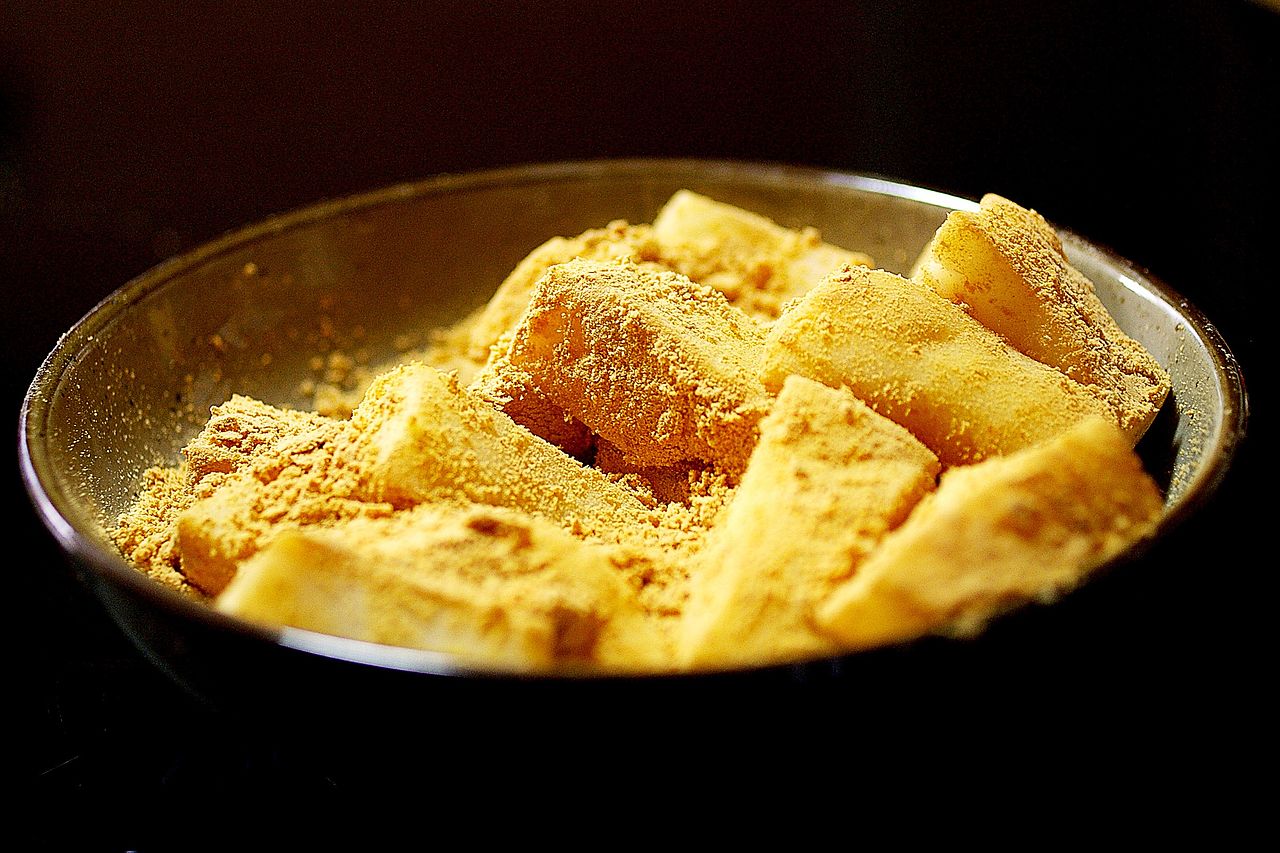
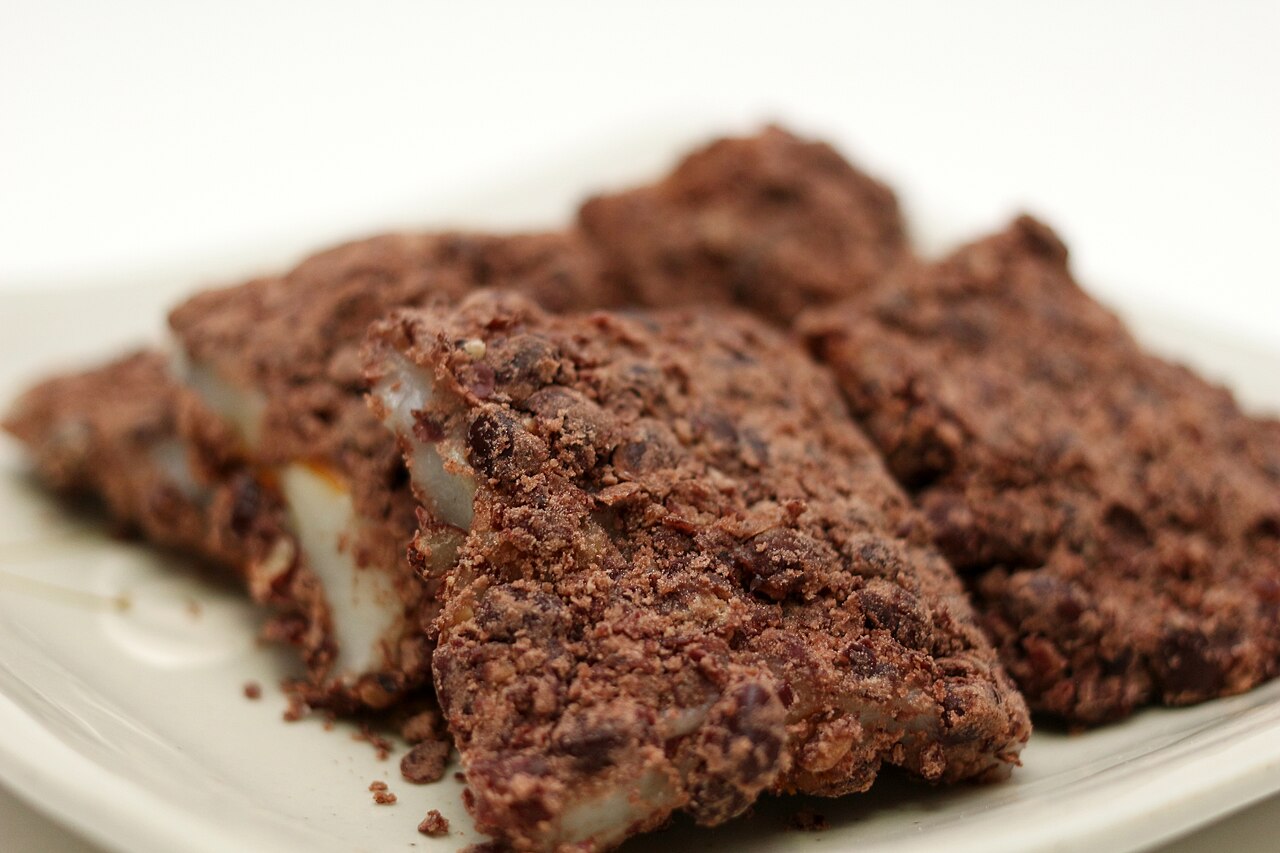
Traditional techniques vary. Rice may be soaked and ground into flour, then steamed to form cakes; or cooked rice can be pounded with a mortar and pestle to develop a sticky, elastic texture. Some tteok are shaped by hand, others are molded or sliced after rolling. Fillings and coatings—such as sweet bean paste, ground nuts, or powdered beans—add flavor and texture. Because glutinous rice contains more amylopectin, many popular tteok are notably chewy and resilient, which contributes to their distinctive mouthfeel and shelf life.
Traditional varieties and occasions
Certain varieties have strong seasonal or ritual associations. For Lunar New Year it is common to eat cylindrical Garaetteok, often cut into rounds and added to a clear soup called Tteokguk, a dish associated with gaining a year of age. In autumn, during the harvest festival Chuseok, families make Songpyeon, small half‑moon cakes filled with ingredients such as honey, nuts or ground sesame and steamed on pine needles. In spring, delicate flower pancakes called Hwajeon are prepared with edible petals and lightly pan‑fried.
Uses and cultural importance
- Rituals and celebrations: offerings at ancestral rites, gifts at weddings and first birthdays.
- Culinary versatility: served as snacks, desserts, or incorporated into soups and stews.
- Symbolism: shapes and colors can represent wishes for longevity, prosperity, or fertility.
Variations, storage and modern trends
Regional recipes and modern bakeries have expanded the tteok repertoire, adding ingredients like green tea, chestnut, pumpkin, or fillings inspired by global desserts. Commercial refrigeration and vacuum packaging have extended shelf life, while freshly made tteok is still prized for its texture. When serving or gifting, be mindful of common allergens (nuts, sesame) and the different textures that reheating (steaming or briefly pan‑frying) can restore. Tteok’s adaptability—rooted in a few simple ingredients—helps explain its enduring place in both ritual life and everyday Korean cuisine.
For further reading and recipes, explore resources linked here: rice, cake, water, holidays, birthdays, Garaetteok, Tteokguk, Hwajeon, and information on traditional fillings such as sesame.
Related articles
Author
AlegsaOnline.com Tteok: Korean rice cakes — types, preparation, and cultural role Leandro Alegsa
URL: https://en.alegsaonline.com/art/101910
Sources
- foodinkorea.org : A Guide to Korean Food