
Twinkie (American cream-filled snack cake)
Twinkie is a golden sponge cake with a creamy filling, introduced in 1930 and produced by Hostess. It has become a pop-culture snack, available in several varieties and often adapted in recipes and fair foods.
Overview
The Twinkie is a small, golden sponge cake filled with a sweet cream. Created as a portable, shelf-stable treat, it became one of the most recognizable American snack cakes. Manufactured under the Hostess brand, the Twinkie has been sold in single-serve wrappers and marketed to consumers as an indulgent convenience food.
Image gallery
5 Images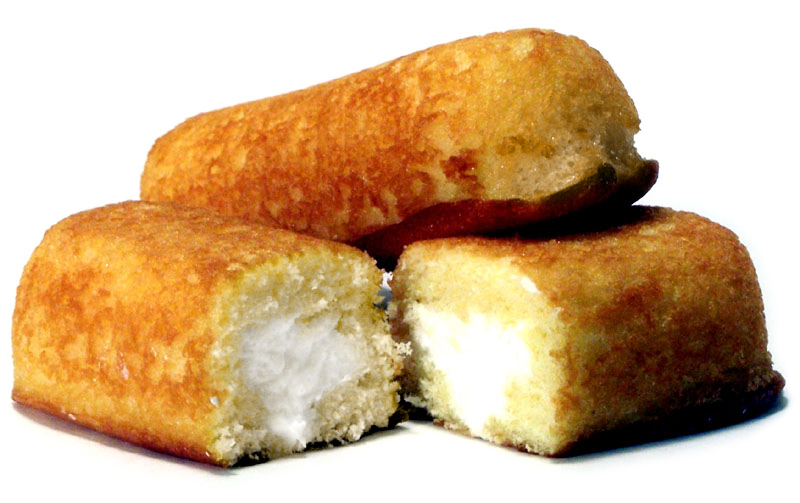


Origins and development
The original Twinkie recipe was developed in 1930 by James A. Dewar while he worked for a baking company that later became part of Hostess. Early production positioned the cake as an inexpensive snack during the Depression era, and its simple construction—light sponge exterior with a piped cream interior—helped it spread rapidly through grocery and vending channels.
Composition, nutrition, and ingredients
A classic Twinkie consists of a sweet yellow sponge cake surrounding a vanilla-flavored cream filling. Over time manufacturers have adjusted ingredients and recipes, producing variations with chocolate, strawberry, and other flavored fillings. A single Twinkie is commonly cited as containing roughly 150 calories, though exact nutrition depends on size and recipe.
History and notable changes
Originally the filling was banana-flavored, but producers switched to a vanilla-style cream during World War II when fresh bananas were scarce and food supplies were redirected by wartime priorities. The product’s ownership and production have changed over decades; the brand has experienced corporate reorganizations and temporary production halts, followed by relaunches under new management.
Varieties, uses, and cultural role
Twinkies appear in a range of variations and culinary adaptations. Fair and festival vendors often offer deep-fried Twinkies as a novelty; this trend follows other deep-fried confections inspired by items such as the deep-fried Mars bar. Home cooks and food writers have also incorporated Twinkies into desserts and novelty recipes—there is even a cookbook compiling dozens of Twinkie-based ideas.
- Common variants: original cream, chocolate cream, limited-edition flavors.
- Popular preparations: baked desserts, deep-fried fair food, novelty sundaes.
- Merchandise and mascot: the product has been personified in advertising, most notably by Twinkie the Kid, an anthropomorphized Twinkie figure used in promotions.
Notable facts and myths
Twinkies have been the subject of folklore about extreme shelf life; such claims are exaggerated and part of popular urban legend rather than a reflection of normal food-safety guidance. The cake’s combination of soft cake and sweet filling, however, has ensured a long-lasting presence in American snack culture and ongoing interest from collectors, cooks, and fans.
For additional details about related deep-fried novelty foods and historical context, see references on the history of fried confections and wartime food substitutions, including coverage of World War II banana rationing and fair-food trends (banana rationing).
Related articles
Author
AlegsaOnline.com Twinkie (American cream-filled snack cake) Leandro Alegsa
URL: https://en.alegsaonline.com/art/102262
Sources
- hostesscakes.com : hostesscakes.com