
Tuscan food: traditions, signature dishes and culinary character
A concise guide to Tuscan cuisine: its simple, seasonal roots; hallmark ingredients; notable dishes like ribollita and bistecca alla Fiorentina; regional variations and cultural importance.
Overview
Tuscan food reflects the landscape and history of Tuscany, a region in central Italy. It emphasizes high-quality, local ingredients prepared simply to highlight natural flavors. The cuisine is often described as an example of cucina povera—humble peasant cooking that values thrift, seasonality and taste over elaborate preparation.
Image gallery
10 Images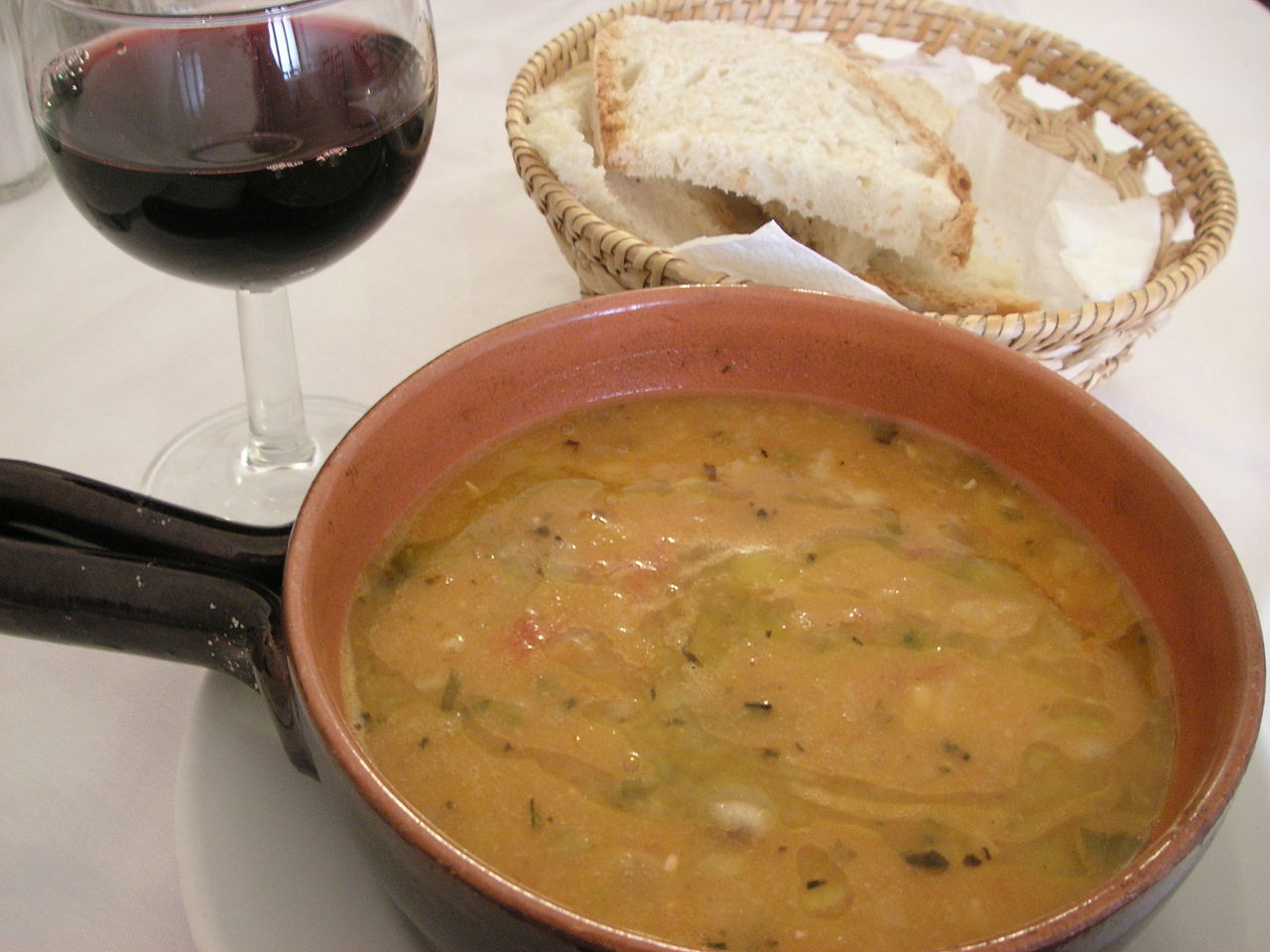


Characteristics and ingredients
Core ingredients include extra-virgin olive oil, sturdy bread, legumes (notably cannellini beans), wild and cultivated herbs, seasonal vegetables, Pecorino cheese and cured meats. Tuscan olive oils and cheeses are widely celebrated; bread is traditionally unsalted in many areas, a feature known as pane sciocco. The region also produces notable wines—Chianti and other Sangiovese-based expressions—that pair naturally with the food.
History and cultural role
Many dishes grew from practical needs: stretched ingredients, preserved foods and simple techniques. Over centuries the food of the countryside and the city have influenced each other, while markets and festivals continue to center communal life. Florentine banquets and rural kitchens alike helped shape a cuisine that balances rusticity and refinement.
Typical dishes and specialties
- Ribollita — a hearty bread-and-vegetable soup enriched with beans and cavolo nero.
- Pappa al pomodoro — a thick tomato-and-bread stew scented with basil.
- Bistecca alla Fiorentina — a large grilled T-bone steak, simply seasoned and served rare.
- Cantucci with vin santo — crunchy almond biscuits dipped in sweet wine.
- Lampredotto and cacciucco — examples of Florence’s street-food tripe and Livorno’s seafood stew.
Regional variation is strong: coastal areas favor fish and seafood, inland zones use game and legumes, and hill towns emphasize local cheeses and olive oil. Today Tuscan food appears in restaurants worldwide, celebrated for its restraint, reliance on quality produce and ability to convey place through taste.
Related articles
Author
AlegsaOnline.com Tuscan food: traditions, signature dishes and culinary character Leandro Alegsa
URL: https://en.alegsaonline.com/art/102157