
Trypanosomiasis: causes, forms, transmission, and control
Trypanosomiasis is a group of parasitic diseases caused by Trypanosoma species, affecting humans and animals; includes African sleeping sickness and American Chagas disease, with differing vectors and control challenges.
Trypanosomiasis refers to a family of diseases produced by protozoan parasites in the genus Trypanosoma. These illnesses range from human infections such as African sleeping sickness and Chagas disease to a variety of animal trypanosomiases that impair livestock and wildlife. The disorders differ in clinical course, geographic range, and the insects that transmit the parasites, but they share common features of bloodstream infection and the potential for chronic, debilitating disease.
Image gallery
3 Images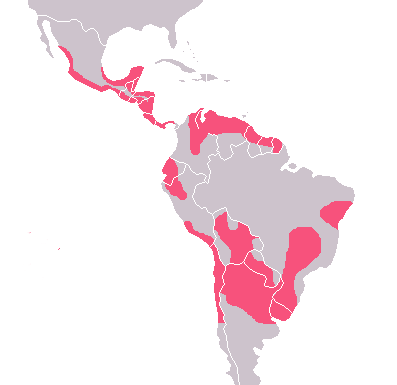


Causative agents and transmission
Human trypanosomiases are principally caused by a few well-known species. African trypanosomiasis, commonly called sleeping sickness, is caused by Trypanosoma brucei subspecies and is transmitted by the bite of the tsetse fly (vector information), while American trypanosomiasis (Chagas disease) is caused by Trypanosoma cruzi and is mainly spread by blood‑feeding reduviid bugs of the subfamily Triatominae (Triatominae details). Disease ecology also includes animal reservoirs and sylvatic cycles that complicate elimination efforts.
Clinical features, diagnosis and treatment
Symptoms and severity vary: African forms often progress from fever, lymph node swelling and malaise to neurological impairment when parasites cross into the central nervous system; Chagas disease may produce an acute febrile illness and later chronic cardiac or gastrointestinal complications. Diagnosis relies on parasitological detection, serology and increasingly on molecular tests in research or reference settings. Treatments exist but can be toxic, require careful staging, and are less accessible in resource-limited areas.
Geography, history and public health impact
African trypanosomiasis is historically associated with sub‑Saharan Africa where tsetse flies occur; control campaigns over the twentieth and twenty‑first centuries reduced incidence in many places. Chagas disease is endemic across much of Latin America, though migration has led to cases appearing in nonendemic regions. Both diseases have shaped local economies and health systems and remain concerns for surveillance, vector control and access to care.
Animal trypanosomiases and economic importance
Several Trypanosoma species principally affect animals, reducing productivity and causing mortality in livestock. Examples include Nagana (animal African trypanosomiasis), surra, and disorders commonly called covering sickness or douring that affect horses (equine disease reference). These conditions influence agriculture and rural livelihoods and require veterinary diagnosis and integrated vector management.
Prevention, control and notable distinctions
Control strategies combine vector control, screening of human and animal populations, improved housing and blood safety measures, and treatment of cases. The African and American forms are distinct in vectors, clinical patterns and control approaches: tsetse eradication campaigns contrast with household and blood‑safety measures used against Chagas. For further reading on specific clinical practice and vector biology see resources on African trypanosomiasis (African trypanosomiasis) and Chagas disease (Chagas disease).
- Key vectors: tsetse fly, Triatominae bugs
- Major human pathogens: Trypanosoma brucei, Trypanosoma cruzi
- Animal concerns: Nagana, surra, douring (equine note)
Related articles
Author
AlegsaOnline.com Trypanosomiasis: causes, forms, transmission, and control Leandro Alegsa
URL: https://en.alegsaonline.com/art/101851