
Neoplasm (Tumour): Overview, Types, and Clinical Insights
A neoplasm is abnormal tissue growth that can form benign or malignant tumours. This article covers definitions, classification, causes, diagnosis, treatment, and notable examples such as Tasmanian devil facial tumours.
Overview
A neoplasm is an abnormal proliferation of cells that results in a mass or lesion of tissue. The term emphasizes growth that is uncontrolled relative to normal tissue regulation. When a neoplasm becomes a distinct lump it is commonly called a tumour. Tumours range from harmless to life‑threatening depending on their biological behaviour.
Image gallery
6 Images


Types and characteristics
Clinically, tumours are usually divided into two broad categories. Malignant tumours invade surrounding tissues and can spread to distant sites, a process often called metastasis. Benign tumours tend to grow locally without invading or spreading and are often curable by removal. Pathologists also classify neoplasms by the cell type of origin (epithelial, mesenchymal, lymphoid, etc.) and by molecular features used for prognosis and therapy.
Causes and risk factors
Neoplasms arise from changes in cell growth control. Known contributors include inherited predisposition, environmental exposures (for example, certain chemicals, radiation, and some infections), lifestyle factors, and random errors during cell division. For many individual tumours no single cause can be identified; they typically reflect a combination of risk factors and molecular events.
Diagnosis and management
Diagnosis usually combines clinical examination, imaging, and tissue sampling (biopsy) so that pathologists can determine type and grade. Management depends on the tumour’s behaviour and location and may include surgery, radiation, systemic therapies (such as chemotherapy, targeted drugs, or immunotherapy), and observation for slow‑growing lesions. Prognosis varies widely by tumour type and stage.
Examples and notable facts
- Cancer is the general term for diseases caused by malignant neoplasms that can invade and metastasize.
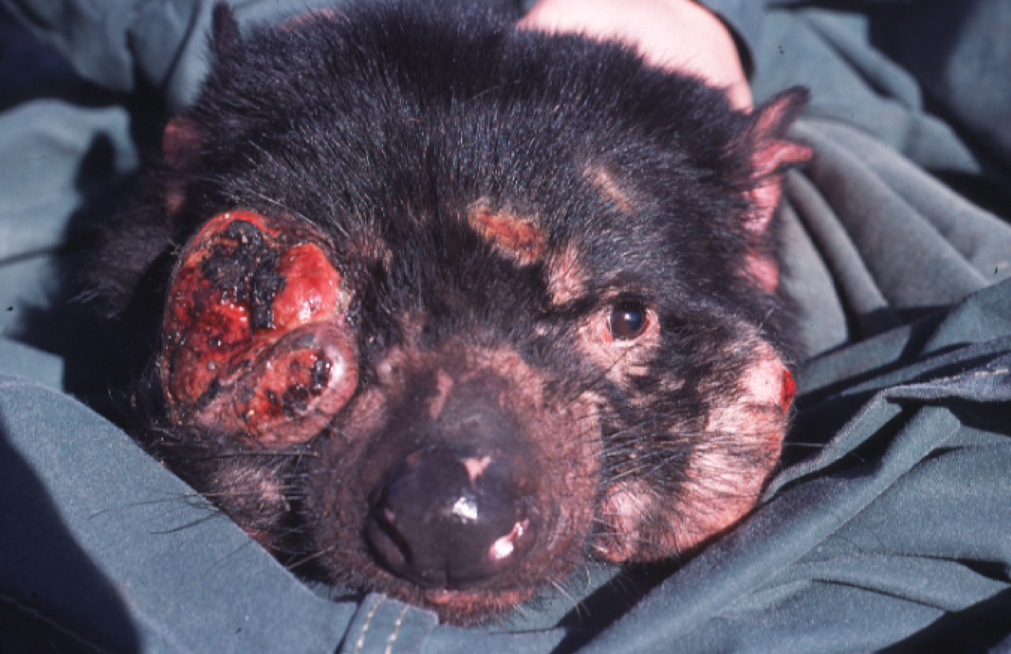
- Some neoplasms are transmissible between animals; for example, facial tumours affecting Tasmanian Devils in Tasmania have caused severe population declines, and those cases have been studied as an unusual form of infectious cancer.
- Not all masses are neoplastic—cysts, inflammatory swellings and developmental anomalies can mimic tumours clinically and radiologically.
History and terminology
The words neoplasm and tumour reflect centuries of medical observation and evolving understanding. Modern classification increasingly relies on molecular and genetic testing to refine diagnosis and guide targeted treatments. For accessible summaries, consult authoritative health sources and specialist literature for up‑to‑date recommendations on screening, diagnosis, and therapy in different tumour types. For additional context see resources linked here: background, malignancy, and benign conditions.
Related articles
Author
AlegsaOnline.com Neoplasm (Tumour): Overview, Types, and Clinical Insights Leandro Alegsa
URL: https://en.alegsaonline.com/art/102010
Sources
- ncbi.nlm.nih.gov : "Type-2 pericytes participate in normal and tumoral angiogenesis"
- doi.org : 10.1152/ajpcell.00084.2014
- pubmed.ncbi.nlm.nih.gov : 24788248
- books.google.com : Elements of human cancer
- dpiw.tas.gov.au : Department of Primary Industry and Water.