
True (Spandau Ballet song)
“True” is a 1983 soulful pop ballad by Spandau Ballet, written by Gary Kemp. A defining sophisti-pop track of the 1980s, it became the band's signature song and is widely used, covered and sampled.
Overview
"True" is a song written by Gary Kemp and recorded by the British band Spandau Ballet for their 1983 album of the same name. Released as a single that year, it represented a stylistic shift from the band's early dance- and club-oriented work toward a smoother, more soul-influenced pop ballad. Its memorable chorus, romantic lyric and polished production helped make it the group's most enduring and widely recognised recording.
Image gallery
5 Images


Composition and recording
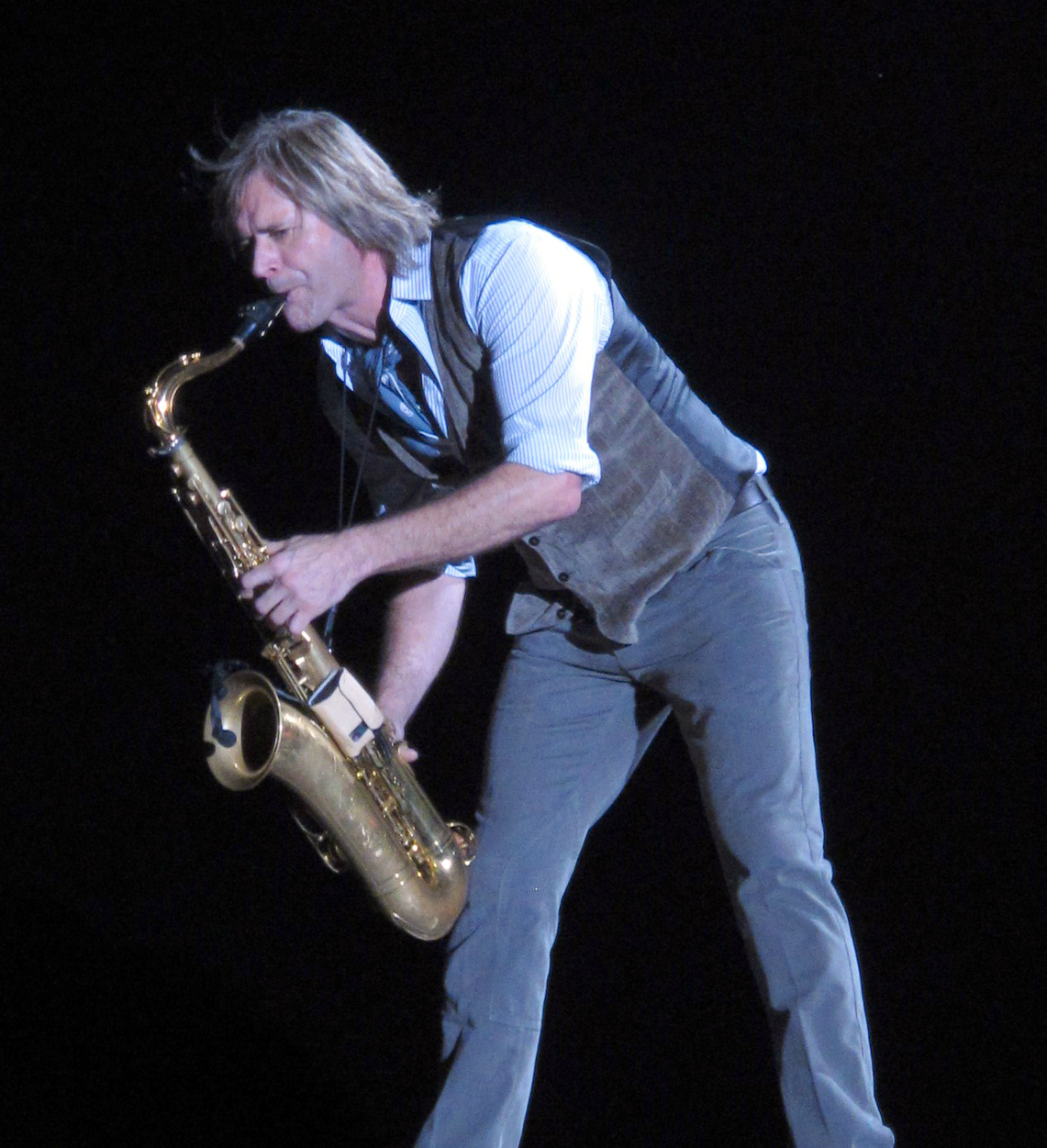
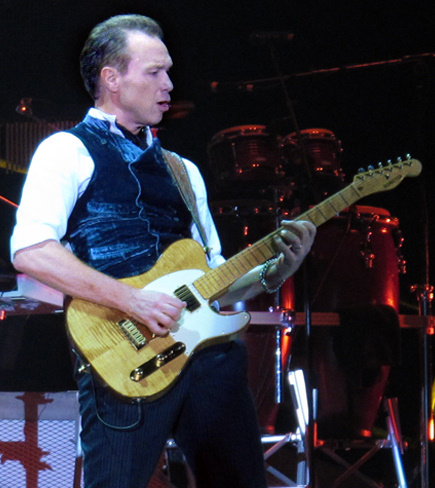
The arrangement emphasises melody and atmosphere, with a slow-to-mid tempo and layered keyboard pads creating a warm sonic backdrop. Tony Hadley’s lead vocal is a defining element: resonant and expressive, it conveys a plaintive, intimate narrative. The track is often noted for its saxophone line and subtle guitar parts that complement the vocal and harmonic structure, drawing on elements of classic soul and adult contemporary balladry.
Release and reception
Upon release, the song achieved considerable commercial success and broadened Spandau Ballet’s audience beyond the New Romantic and club scenes that had surrounded them earlier in their career. Critics and listeners praised its production and songwriting, and it received extensive radio play in the UK and internationally. Over time the song has come to be viewed as emblematic of mid-1980s sophisti-pop and blue-eyed soul.
Legacy
"True" remains the band’s signature tune and continues to be heard on radio, in compilations and in popular media. It has been widely covered by other artists and was notably sampled by hip-hop and R&B artists, helping to introduce its melody to new audiences. The song is frequently licensed for use in film, television and advertising, where its evocative mood is often employed to underscore romantic or nostalgic scenes.
Notable points
- Written by guitarist and songwriter Gary Kemp.
- Marked a move toward a smoother, soul-influenced pop sound for the band.
- Recognised for its melodic chorus, production sheen and saxophone contribution.
- Sampled and covered by a range of artists, extending its influence beyond the 1980s.
History
Gary Kemp wrote True in his childhood home, where he was also living at the time. In the album version, the new wave ballad lasts six minutes and serves in part as a tribute to Marvin Gaye, who, according to the lyrics, helped establish the musical genre of soul. The song was recorded in 1982, two years before Marvin Gaye's murder, and focuses on Kemp's platonic relationship with Altered Images singer Clare Grogan. Several phrases are also based (including the term: Seaside Arms) on the novel Lolita by Vladimir Nabokov, a copy of which Grogan gave to Kemp.
The single True was released on 11 April 1983 and became a number one hit in the UK, Ireland and Canada.
In 1985, Spandau Ballet sang the song at the Live Aid charity concert. In 2015, many Britons voted True as their favourite British number one hit of the 1980s in a poll by ITV. In addition, the song has been used in shows such as The Simpsons (episode: Future Drama), Veronica Mars, Modern Family and Defiance, the films You Can Only Do That When You're Grown Up, A Wedding to Fall in Love (sung by Steve Buscemi), Monster Uni (in a trailer) and Pixels, as well as the game Metal Gear Solid V: The Phantom Pain.
Cover versions
- 1991: P. M. Dawn (Set Adrift on Memory Bliss)
- 1997: Queen Pen (It's True)
- 2001: Laure Sainclair (Vous)
- 2003: Doc Gynéco (Taxi)
- 2004: will.i.am feat. Fergie
- 2004: Nelly (Rapper) (N Dey Say)
- 2005: Paul Anka
- 2005: Cary Brothers
- 2006: Thomas Anders
- 2006: Royal Melody (One Night)
- 2011: Nora En Pure
- 2012: Conor Maynard
- 2015: Nora En Pure (Saltwater Radio Rework)
Related articles
Author
AlegsaOnline.com True (Spandau Ballet song) Leandro Alegsa
URL: https://en.alegsaonline.com/art/101792