
Lolita — novel by Vladimir Nabokov
A concise, neutral overview of Vladimir Nabokov's Lolita: its plot premise, style, publication, controversies, themes and film adaptations, with context on its literary reception.
Overview
Lolita is a novel by Vladimir Nabokov first published in Paris in 1955. Written in English by a Russian-American author, the book is narrated by Humbert Humbert, a cultured but unreliable narrator who describes his obsession and sexual relationship with Dolores Haze, a young girl often referred to by the nickname "Lolita." The novel examines the events from Humbert's perspective and deliberately complicates questions of morality, language and memory.
Image gallery
4 Images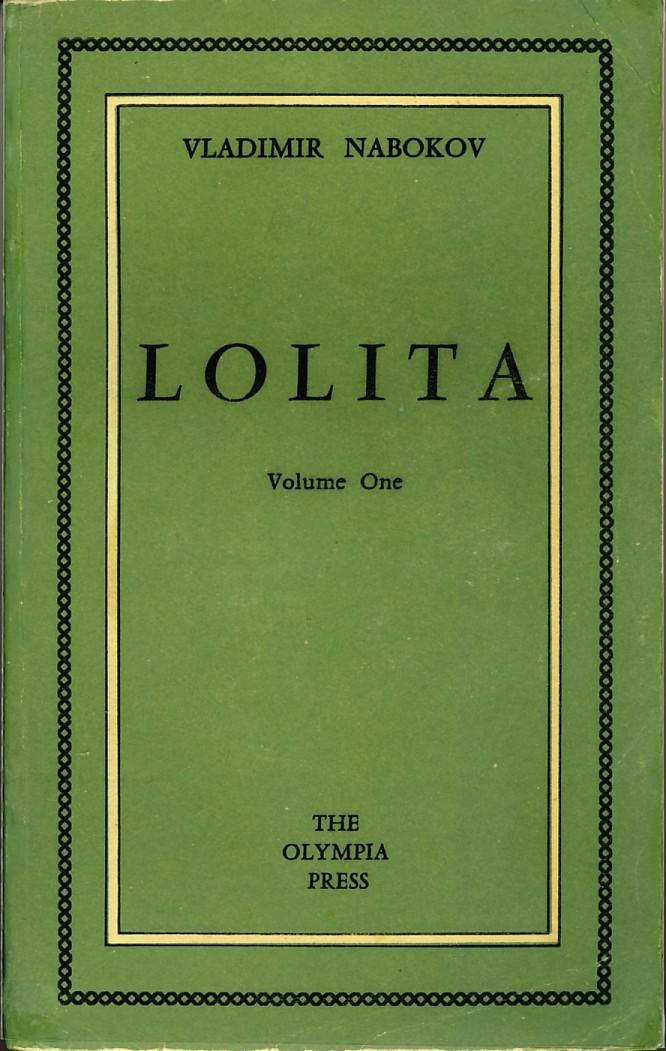


Structure and style
The prose is notable for its linguistic playfulness, layered allusions and careful sentencecraft. Nabokov mixes dark comedy, formal virtuosity and rhetorical persuasion while allowing the narrator's self-justifications to reveal his distorted point of view. Much criticism and scholarship focus on how narrative technique shapes readers' responses to morally troubling material.
Publication, translation and reception
After initial publication in 1955, the book provoked strong reactions. It was translated into Russian by Nabokov himself and circulated internationally. Responses ranged from praise for its artistry to condemnation because of its subject matter. The controversy led to bans and censorship in some countries and sustained debate about the boundaries between literary value and social responsibility.
Adaptations and legacy
The novel has been adapted for film and other media. A well-known film adaptation was directed by Stanley Kubrick in 1962, and a later cinematic version was released in 1997. These adaptations altered plot details and tone to address legal, cultural and censorship constraints, and each has generated its own critical conversation.
Themes, controversies and critical notes
Key themes include obsession, manipulation, the power of narrative and the tensions between aesthetic achievement and ethical judgment. Critics often emphasize that the novel is told from the perspective of an unreliable narrator (often described as a "middle-aged British professor" in summaries; see descriptions of the protagonist). Readers and scholars continue to debate how the work should be taught, interpreted and contextualized.
- Notable for its linguistic dexterity and narrative irony.
- Frequently cited in discussions of censorship, adaptation and literary ethics.
- Remains central to 20th-century literary studies and controversy over representation.
Related articles
Author
AlegsaOnline.com Lolita — novel by Vladimir Nabokov Leandro Alegsa
URL: https://en.alegsaonline.com/art/58938