
Vladimir Nabokov: life, works, and literary legacy
Biography and overview of Vladimir Nabokov, the bilingual Russian‑American novelist, translator, lepidopterist and critic best known for Lolita and his innovative narrative techniques.
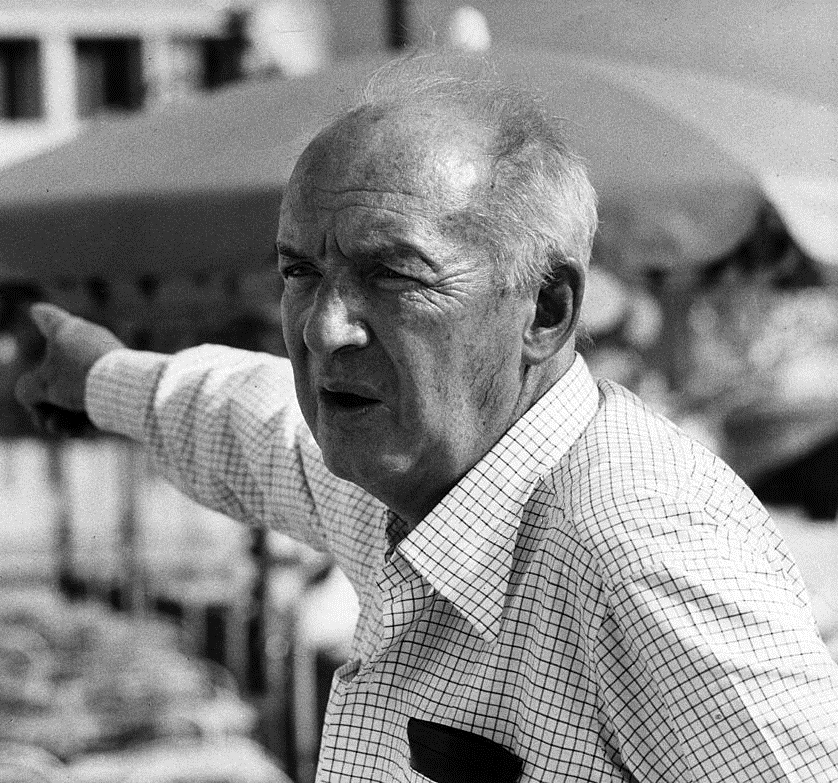
Vladimir Nabokov (1899–1977) was a Russian‑born novelist, critic and translator who later became an American citizen. He produced major works in both Russian and English, combining verbal play, formal invention and psychological depth. His best known novel, Lolita, made him a public figure, but his oeuvre also includes celebrated titles such as Pnin, Pale Fire, Ada or Ardor and the memoir Speak, Memory. Critics and readers continue to study his work for its stylistic virtuosity and ethical complexity.
Image gallery
10 Images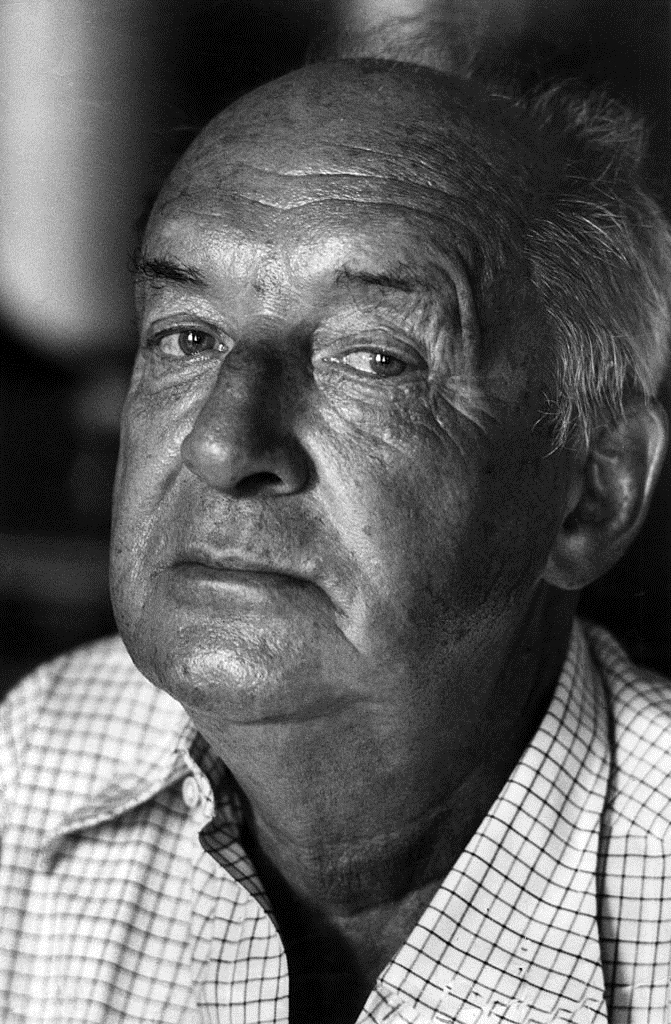





Early life and emigration
Nabokov was born into an affluent, multilingual family in Saint Petersburg, Russia. He grew up speaking several languages and received a cosmopolitan education. The upheavals following the 1917 Russian Revolution led his family to leave Russia; he spent many years in Europe before moving to the United States. He became an American citizen in the mid‑20th century and later spent his final years in Switzerland, dying in Montreux, Switzerland. Biographical studies document his transnational life and its influence on his themes (biographical resources).
Languages, publication history and translation
Nabokov began his literary career writing in Russian, publishing novels, short stories and criticism while living in exile. After settling in North America he increasingly wrote in English and produced many of his most widely read books in that language. He also translated works—both his own and others’—and prepared scholarly annotations on Russian poets; his translations and critical notes reflect his concern with sound, nuance and formal precision (translation work).
Major works and techniques
- Lolita — a controversial, formally assured novel narrated by an unreliable voice; it raised debates about art, morality and censorship (more).
- Pale Fire — a layered, metafictional book built around a long poem and an eccentric commentary that invites interpretive play.
- Pnin — a tenderly comic portrait of an émigré professor.
- Ada or Ardor — an expansive family saga notable for its memory work and syntactic richness.
- Speak, Memory — his autobiographical account that blends memoir with aesthetic reflection (early and later writings).
Nabokov’s prose is marked by dense imagery, intricate wordplay, multilingual puns and formal experiments such as unreliable narrators, embedded texts and palimpsestic structures. His fiction often tests the boundary between storytelling and commentary, asking readers to attend to language as well as plot.
Other pursuits and legacy
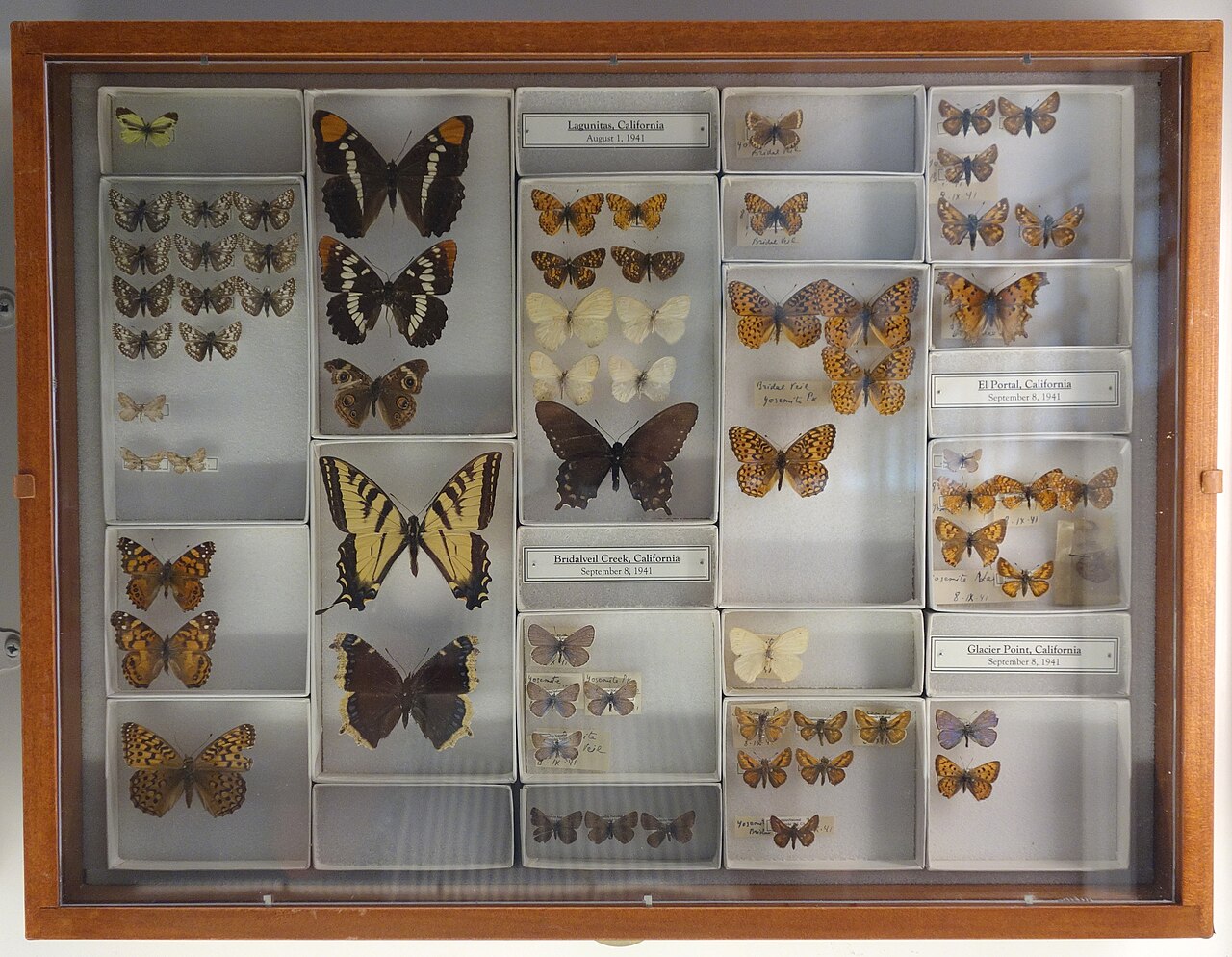
Outside literature, Nabokov was a serious student of butterflies and published scientific notes on lepidoptery; his interest in natural history informed his precise observation of detail. He taught literature at American colleges, influencing students and future scholars. His reputation combines admiration for technical mastery with ongoing discussion about the ethical implications of some subject matter. Nabokov’s work has inspired adaptations and scholarly debate and remains central to 20th‑century literary study; many reference guides and library resources provide fuller bibliographies and critical essays (further reading, Russia relations).

Questions and answers
Q: Who was Vladimir Nabokov?
A: Vladimir Nabokov was a Russian-American author.
Q: In which languages did Nabokov write his books?
A: Nabokov wrote his first books in Russian and later wrote in English.
Q: Which book is Nabokov most famous for?
A: Nabokov is most famous for his book, Lolita.
Q: Which other books by Nabokov have become famous?
A: Other books by Nabokov that have become famous include Pnin, Pale Fire, and Ada or Ardor.
Q: Where was Nabokov born?
A: Nabokov was born in Saint Petersburg, Russia.
Q: When did Nabokov become an American citizen?
A: Nabokov became an American citizen in 1945.
Q: Where did Nabokov die?
A: Nabokov died in Montreux, Switzerland.
Related articles
Author
AlegsaOnline.com Vladimir Nabokov: life, works, and literary legacy Leandro Alegsa
URL: https://en.alegsaonline.com/art/105730
Sources
- libraries.psu.edu : "Butterflies and moths bearing Nabokov's name"
- theparisreview.org : theparisreview.org/interviews/4310/the-art-of-fiction-no-40-vladimir-nabokov