
Live Aid: the 1985 global benefit concerts for famine relief
Two simultaneous benefit concerts on 13 July 1985 organized by Bob Geldof and Midge Ure to raise funds and awareness for famine relief in Africa; broadcast worldwide and noted for iconic performances.
Overview
Live Aid was a pair of linked rock benefit concerts held on 13 July 1985 to raise funds and public attention for famine relief. The shows took place simultaneously in London and Philadelphia and were organized by musician and campaigner Bob Geldof together with Midge Ure. Conceived after the charity single Band Aid, Live Aid combined large stadium audiences with a global television broadcast to mobilize charitable giving.
Image gallery
6 Images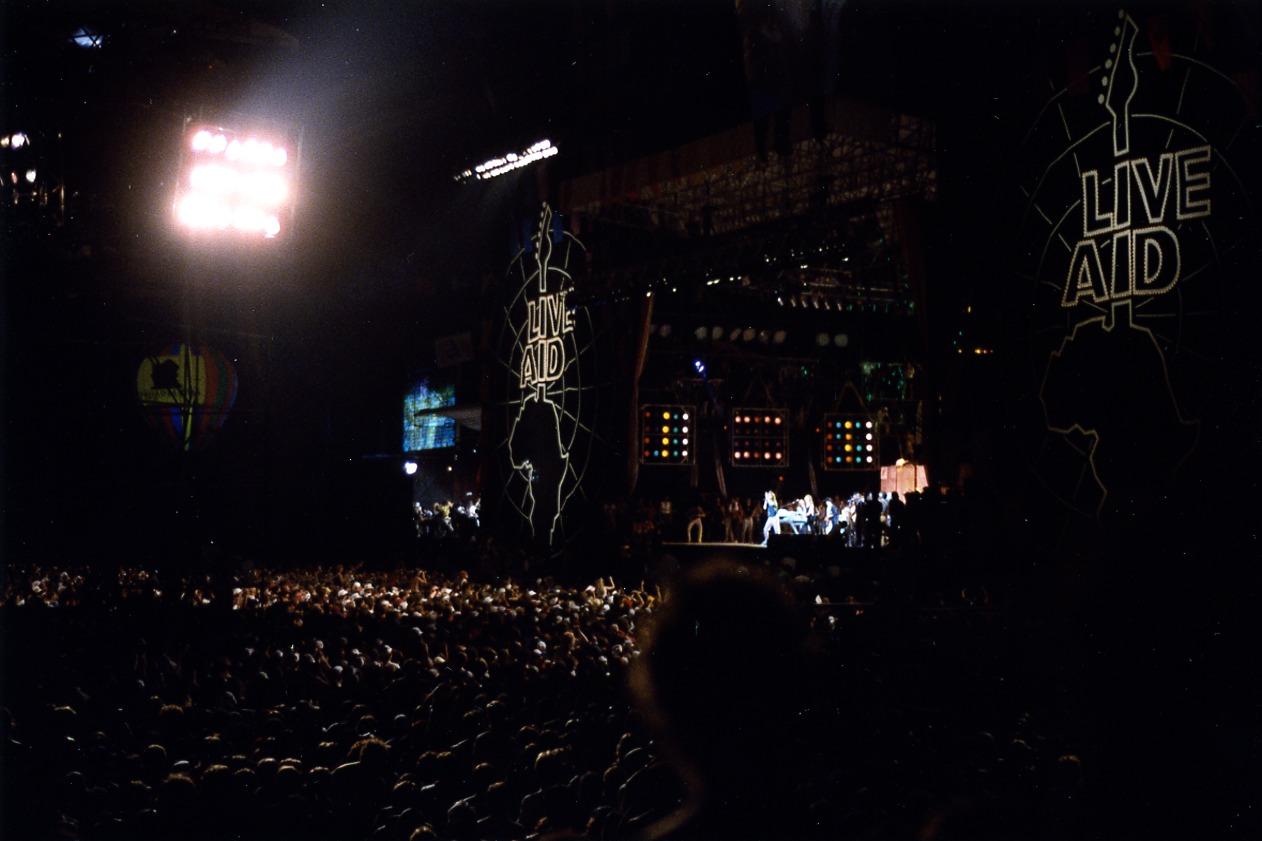


Origins and purpose
The concerts were prompted by the humanitarian crisis affecting parts of Africa, particularly reports of widespread famine and poverty in Ethiopia in the early 1980s. Organizers sought to raise money quickly and to use the reach of popular music to generate public pressure and awareness. The event built on the momentum of earlier charity music projects and brought together artists from many countries.
Venues, broadcast and funds
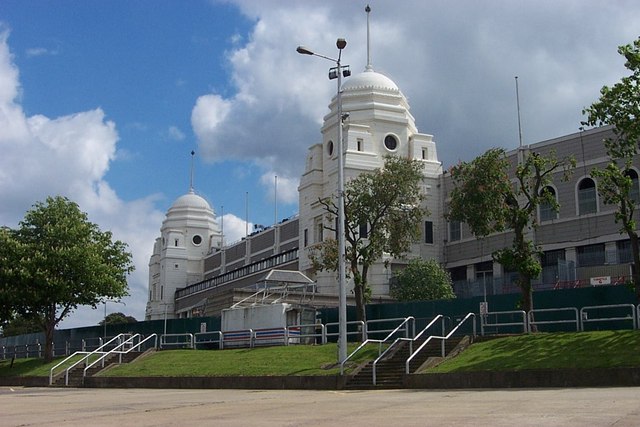
On the day, concerts were staged at Wembley in London and at John F. Kennedy Stadium in Philadelphia; the London programme was centered at Wembley Stadium. The shows were carried by television and radio networks around the world, creating an estimated audience in the billions and turning Live Aid into one of the largest simultaneous worldwide broadcasts of its time. Fundraising from ticket sales, donations and later media releases amounted to tens of millions of dollars (commonly reported as about $127 million), which was directed to relief charities.
Performances and highlights
The bill included a wide range of artists from different genres, and several performances have become closely associated with the event. Notable acts included Queen, U2, David Bowie, Elton John, Madonna and others. The concert format and the high-profile reunions and appearances helped cement Live Aid's place in popular-culture memory.
- Queen — widely praised set
- U2 — performance that raised the band’s profile
- Solo and ensemble appearances by established stars
Legacy, releases and debate
Live Aid left a lasting legacy as a model for large-scale benefit events and inspired subsequent campaigns, including follow-up concerts and advocacy efforts. The event's recordings were later issued in multiple formats: official recordings were compiled and released for sale on DVD and other media, with proceeds designated for relief. At the same time, questions have been raised about the logistics of aid distribution and the long-term effectiveness of celebrity-driven fundraising, prompting ongoing discussion about how best to turn public generosity into sustainable assistance.
Today Live Aid is remembered both for its immediate humanitarian ambition and for demonstrating the cultural power of popular music to respond to global crises, while also serving as a case study in the complexities of international charity work.
Related articles
Author
AlegsaOnline.com Live Aid: the 1985 global benefit concerts for famine relief Leandro Alegsa
URL: https://en.alegsaonline.com/art/58570