
New Wave (music)
A popular late‑1970s and early‑1980s rock-derived movement blending punk energy, pop songwriting and electronic instruments, noted for its stylistic range and visual fashion.
New Wave is a broad label for a group of rock-influenced styles that emerged in the late 1970s and gained prominence in the early 1980s. It grew out of the same cultural moment as punk, sharing an appetite for change and a do-it-yourself spirit, but it tended to favour sharper production, melodic hooks and a greater openness to electronic instruments. New Wave encompasses guitar-driven bands, synth-led pop, and acts that mixed rhythms from dance, reggae or ska with rock structures.
Image gallery
5 Images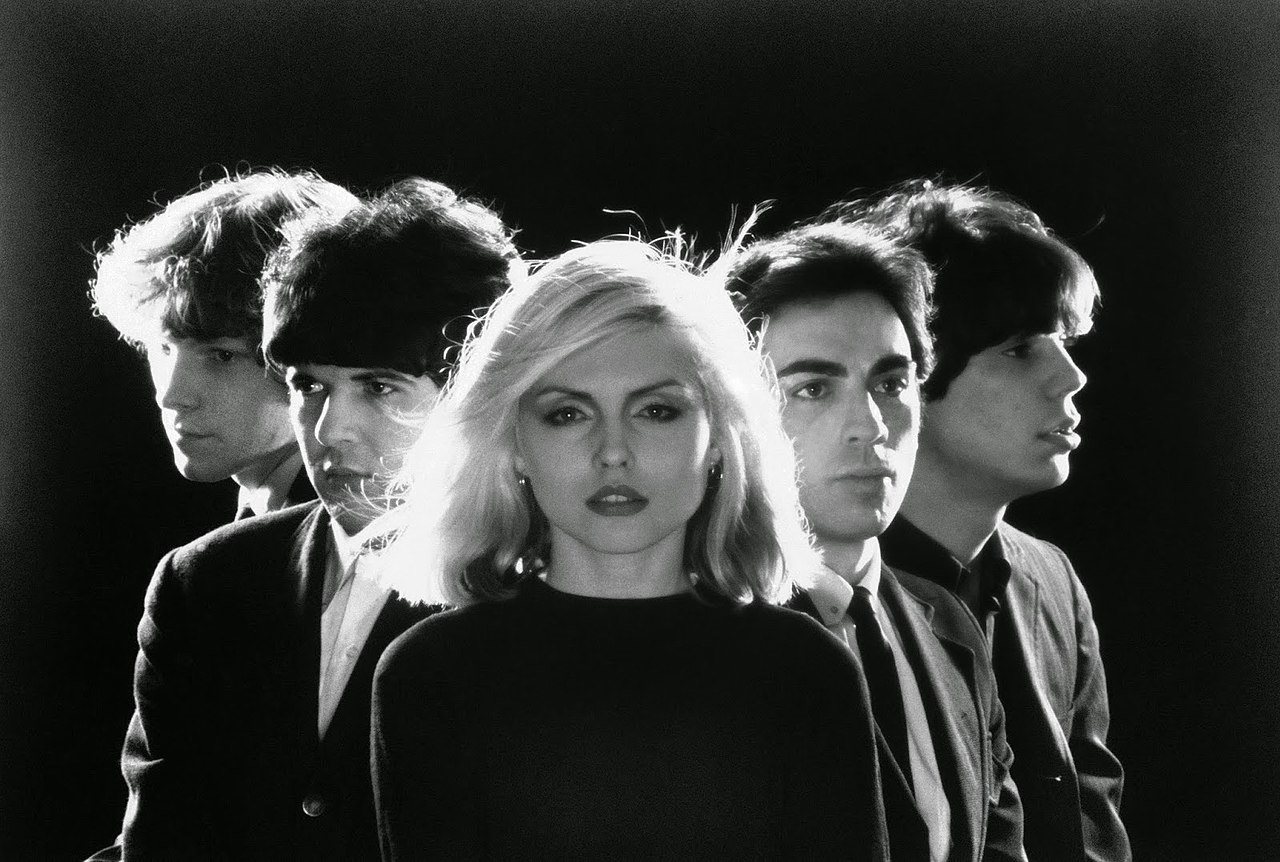




Characteristics
Musically, New Wave is defined more by tendencies than strict rules. Common features include concise song forms, memorable choruses, and an emphasis on texture—especially the use of synthesizers and processed guitars. Arrangements could be spare or layered; some acts retained a punk urgency while others leaned toward polished pop. Lyrics ranged from personal and ironic to socially observant, and many New Wave recordings adopted studio techniques that highlighted rhythm and clarity.
Origins and development
The movement grew from the late-1970s reaction to mainstream rock and the rawness of punk. Artists and producers experimented with new synthesizer technology, drum machines and compact single-based releases, seeking radio-friendly sounds without abandoning attitude. As music television expanded—most notably with the launch of MTV in 1981—bands that combined striking visuals with catchy songs often reached wider audiences. Record labels and independent scenes in the United Kingdom, the United States and elsewhere fostered diverse regional scenes that all fell under the New Wave umbrella.
Notable styles and artists
New Wave included a range of substyles: synthpop (electronic-led pop), post-punk (more experimental and art-influenced), power pop (band-driven melodic rock), and ska-influenced pop. Well-known acts frequently associated with New Wave include Talking Heads, Blondie, The Police, Duran Duran and Devo—whose video for "Whip It" became emblematic of the era's marriage of image and song. Other groups blended dance rhythms, reggae or funk into their sound, showing the category's plural nature.
Cultural impact and distinctions
Beyond sound, New Wave had a visual identity: bold clothing, hair styles and music-video aesthetics played a role in artists' appeal. The term itself is flexible: some musicians embraced it, others rejected it as a marketing label. While New Wave's mainstream peak was in the early 1980s, its influence persisted in later pop, indie and electronic music; many contemporary artists cite New Wave bands as formative for their approach to melody, rhythm and image.
Further reading and resources
- Overview of rock and popular music contexts
- Timeline of late 1970s musical trends
- Early 1980s popular music developments
- Origins and definitions of New Wave
- Relationship between punk and related styles
- Rock influences within New Wave
- Funk elements used by some New Wave artists
- Disco's impact on danceable New Wave tracks
- Ska and reggae influences in the scene
- Pop songwriting techniques adopted by New Wave
- Attitudinal continuities with punk
- Melodic and harmonic traits of New Wave
- How music videos shaped the genre
- Television's role in music promotion
- Devo and the visual culture of the era
- Further context on MTV and video-era music
Questions and answers
Q: What is New Wave music?
A: New Wave music is a style of rock music that developed in the late 1970s and early 1980s. It was inspired by the punk rock movement and combines elements of punk, funk, disco, ska and pop.
Q: How does New Wave differ from Punk Rock?
A: Whilst maintaining the rebellious and energetic side of punk rock, New Wave was less raw and aggressive than Punk Rock. Additionally, it had simpler melodies and catchy hooks which made it more pop-based than Punk Rock.
Q: What instruments were used in New Wave music?
A: New Wave music was very electronic in nature, making strong usage of synthesizers as well as other instruments such as guitars or drums.
Q: How did MTV help to make New Wave popular?
A: When MTV started broadcasting in 1981, many New Wave bands had their music videos played on television which helped to increase its popularity. A well-known example is Whip It by Devo.
Q: Was there a visual aesthetic associated with New Wave?
A: Yes, there was a strong visual aesthetic associated with the genre which included colourful fashions worn by artists during performances or when appearing on TV shows or videos.
Q: Did all artists within the genre have similar styles?
A: No, although they were all part of the same genre they varied greatly in style ranging from pure rock to synthpop to reggae-influenced music.
Related articles
Author
AlegsaOnline.com New Wave (music) Leandro Alegsa
URL: https://en.alegsaonline.com/art/69632