
Tyche — Greek goddess and personification of fortune
Tyche (Tychē) is the Greek personification of luck, chance, and the prosperity of cities. Associated with the cornucopia, mural crown, and the wheel of fortune, she was widely venerated in the Hellenistic world.
Overview
Tyche (Greek: Tychē), sometimes rendered Tuch in older translations, is the ancient Greek personification of fortune, chance and the changing circumstances of human affairs. Rather than a goddess of moral judgment, she represents the unpredictable distribution of prosperity and misfortune — the element of contingency that shapes individual lives and the fate of communities. For a concise entry about her name and role, see Tyche.
Image gallery
10 Images




Mythic origins and family
In early genealogies Tyche is counted among the Oceanids, daughters of the Titans Tethys and Okeanos. This parentage appears in archaic sources and reflects her ancient, elemental character as an aspect of the world's workings rather than a later ethical deity. Classical poets and mythographers describe her alongside other personified forces; for the genealogical tradition see treatments of Tethys and the account attributed to Hesiod. The name and origin are also tied to the wider family of Okeanos in poetic fragments and lists (Oceanus).
Attributes and iconography
Artists and sculptors gave Tyche several recognizable attributes that symbolize her powers and functions. Common elements include:
- Mural crown: a crown shaped like city walls, identifying her as guardian or personified spirit of a town or polis.
- Cornucopia: the horn of plenty, used to depict the bestowal of wealth and abundance.
- Wheel or rudder: later imagery sometimes links her to the wheel of fortune or a rudder, underscoring the turning, changeable quality of fate.
- Blindfold: seldom in early Greek art but later adopted to emphasize impartial chance, a motif more familiar from the Roman Fortuna.
Writers of the Hellenistic era and beyond discuss these attributes; for the development of her visual depiction consult studies of the Theogony and subsequent iconography.
Cult, civic role and historical development
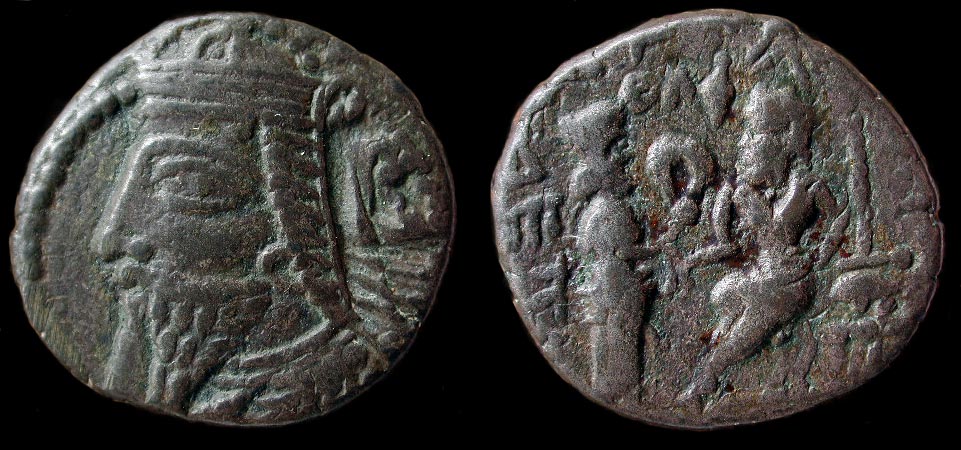
Tyche acquired a pronounced civic character in the Hellenistic period when many cities adopted a local Tyche as a protective emblem of their prosperity and destiny. Statues and coin types frequently show the city's Tyche wearing a mural crown. This municipal personalization reflects how communities sought divine sanction for their fortunes during eras of political change. Over time the Greek Tyche merged in popular imagination with the Roman Fortuna and with broader philosophical ideas about chance and necessity.
Literary and cultural significance
Beyond cult practice, Tyche is a recurrent figure in literature and rhetoric as a shorthand for fate's caprice. Poets and historians use her to explain sudden reversals of fortune, the rise and fall of cities, or the vicissitudes of rulers. Classical sources and later commentators offer varied accounts; for early literary mentions see references associated with Hesiod and other archaic poets.
Notable distinctions: Tyche differs from deities who personify necessity, justice or moral destiny. Whereas Nemesis or Moirai address retribution and ordained fate, Tyche emphasizes randomness and opportunity. Her prominence in civic symbolism and coinage makes her a useful indicator of how ancient societies conceptualized luck and collective well‑being.
For readers seeking more visual or numismatic examples, many museum catalogs and archaeological surveys illustrate how Tyche's image traveled across the Mediterranean, adapting to local traditions while preserving core attributes such as the mural crown and cornucopia.
Related articles
Author
AlegsaOnline.com Tyche — Greek goddess and personification of fortune Leandro Alegsa
URL: https://en.alegsaonline.com/art/102305