
Troll (mythological creature and modern usage)
Troll — a varied creature from Scandinavian folklore, often large and stone‑turning, with roles in myths and modern culture; also the origin of the term for hostile internet behavior.
Overview
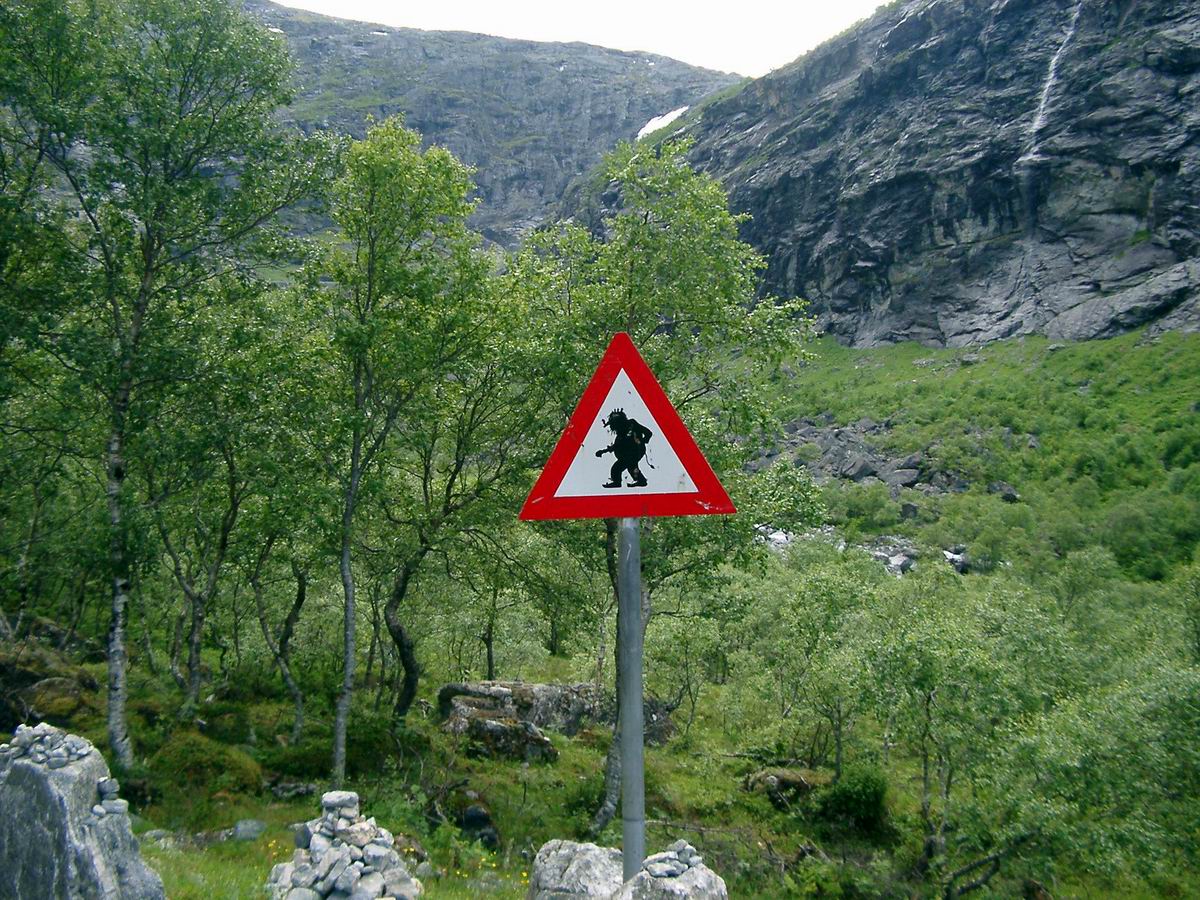
A troll is a figure from Scandinavian and broader Northern European folklore that appears in many forms across myth, folktale and modern culture. In traditional stories trolls are supernatural beings associated with wild, remote places: mountains, caves, forests, and bridges. The term has come to cover a wide range of creatures — sometimes close to giants, sometimes like the small household spirits of other traditions — and in recent decades it has been extended metaphorically to describe a hostile or provocative presence in online communities.
Image gallery
10 Images




Characteristics and types
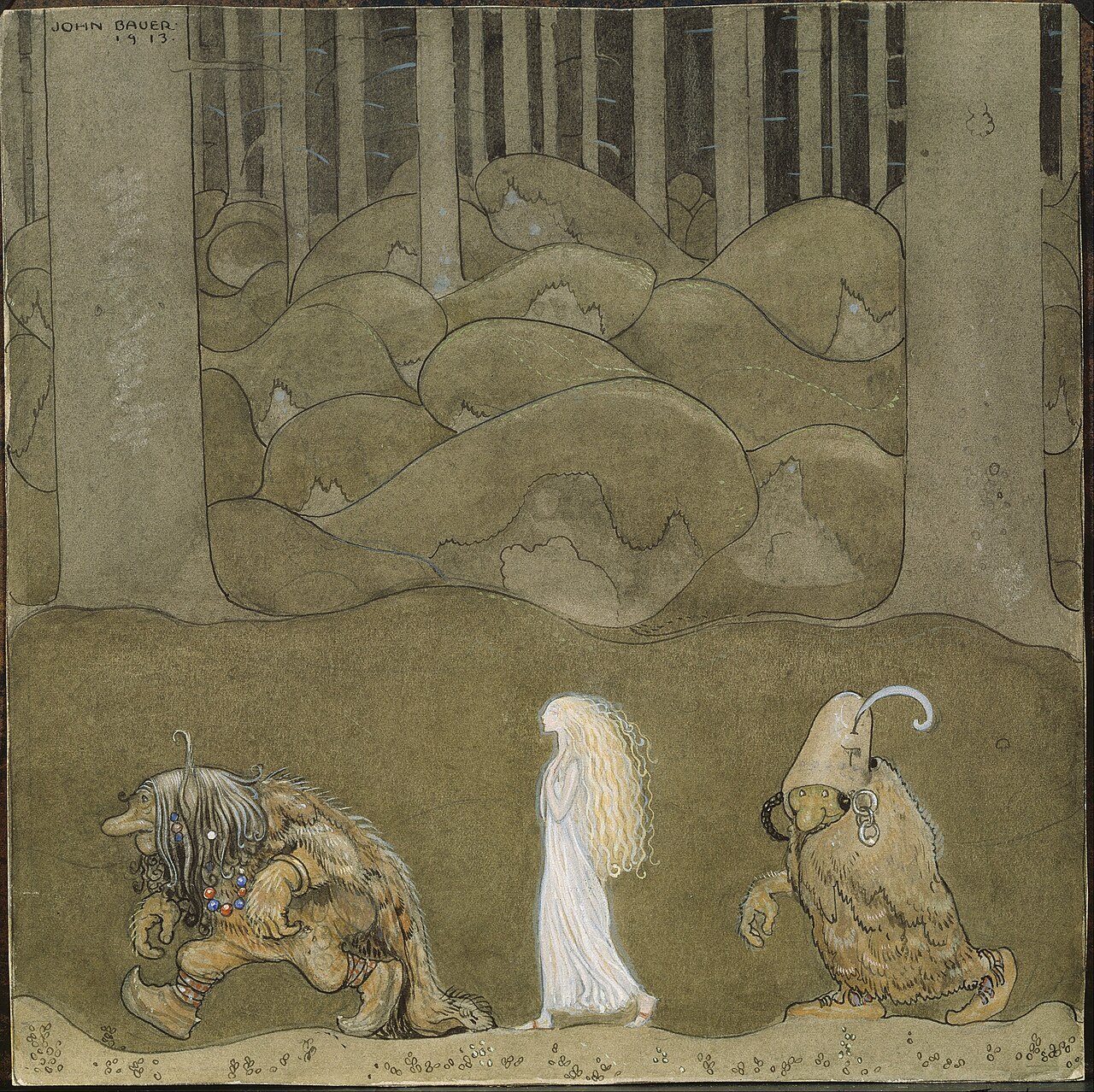
Trolls do not have a single fixed description. Folklore and later literature portray them with different sizes, temperaments and powers. Common motifs include the following:
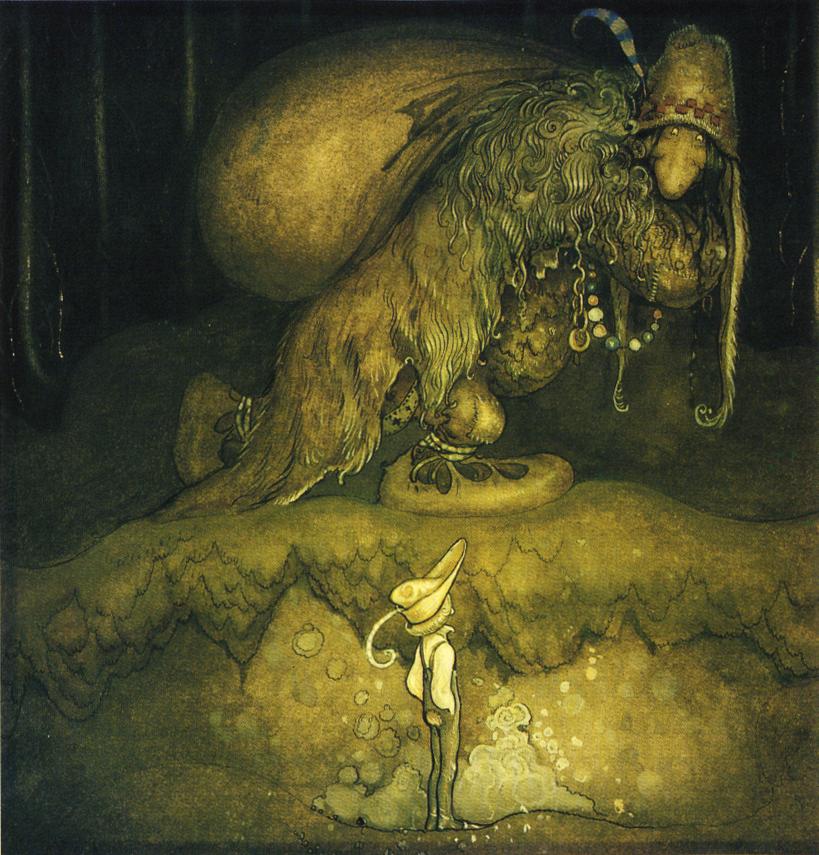
- Physical appearance: ranges from massive, hulking forms to shorter, coarse figures. They are often described as ugly, hairy and rough‑featured, with large teeth and strong jaws.
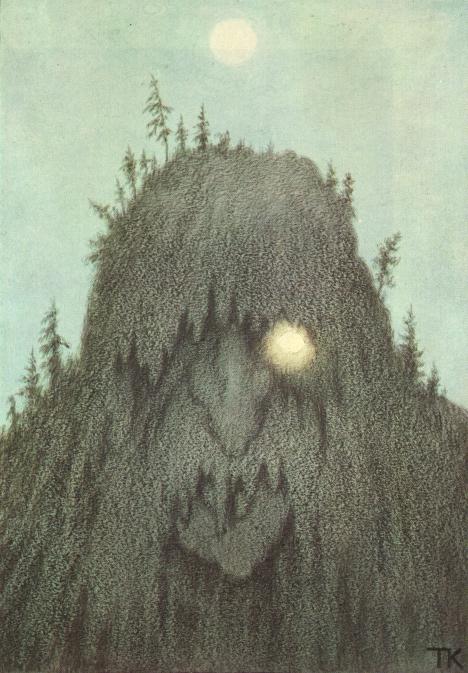
- Sensitivity to sunlight: many tales say trolls avoid daylight because it petrifies them and turns them to stone, explaining certain isolated rock formations in older landscape lore.
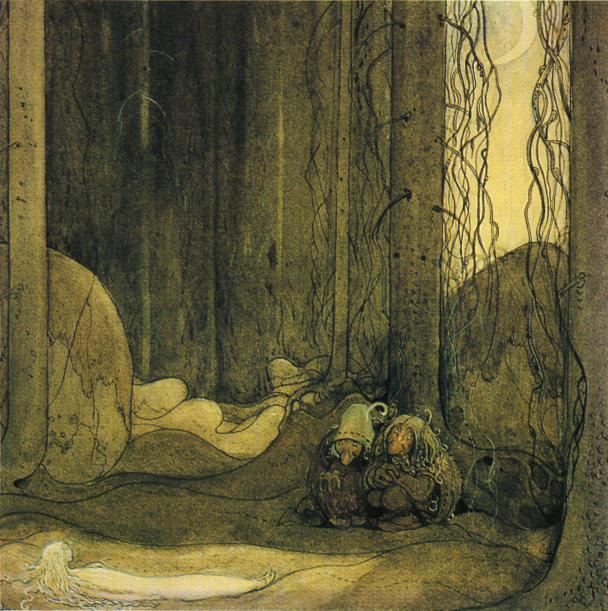
- Habitat variations: mountain or stone‑trolls live on crags and in caves; forest trolls inhabit remote woods; water trolls are agile swimmers but clumsy on land; bridge or road trolls may confront travellers.
- Behavior: portrayed alternately as slow and dim, cunning and dangerous, or simply hostile to humans; they may kidnap, eat livestock or people, or hoard treasure.
Origins and cultural development
The word and concept developed within Norse and later Scandinavian oral traditions. In older sources trolls could overlap in meaning with other supernatural beings: some accounts treat them as a kind of elves or relate them to dwarves, while other descriptions put them closer to generic monsters. Folktales codified many recurring scenes — a traveller outwitting a troll, or a household threatened by one — and literary works from the 19th century onward adapted these motifs for drama and fiction.
Uses, examples and modern adaptations
Trolls appear widely in European fairy tales and in modern fantasy literature and games; authors and creators have shaped them into specific species with consistent rules (for example, turning to stone in sunlight is famously used in several novels and films). In popular culture they range from fearsome antagonists to comic or sympathetic characters. The word also evolved into an internet metaphor: an "internet troll" deliberately provokes or disrupts online discussion, a sense that borrows the idea of a nuisance living at the margins.
Distinctions and notable facts
Trolls are often compared to other mythic beings such as ogres, goblins and giants. Unlike some household spirits, many trolls in folklore are tied to particular natural features and are more solitary. The petrification motif is a distinctive and persistent element that links myths to landscape interpretation: strange rocks and isolated boulders were sometimes explained as trolls caught by the sun.
Further reading
Because the term covers varied traditions, sources may define trolls differently. For contrasting descriptions see materials on goblins, or comparative entries on elves and dwarves. Folklore collections and modern surveys of Norse myth provide fuller context for regional differences and the evolution of the trope into contemporary media.
Related articles
Author
AlegsaOnline.com Troll (mythological creature and modern usage) Leandro Alegsa
URL: https://en.alegsaonline.com/art/101628