
Tragedy (Greek theatre)
A classical dramatic form originating in ancient Greece in which a dignified protagonist suffers a downfall; defined by Aristotle and exemplified by Aeschylus, Sophocles and Euripides.
Tragedy in the context of theatre is a dramatic genre that traces its most influential form to ancient Greece. In its classical shape a tragedy presents a serious action leading to a sorrowful or disastrous conclusion for the main character and often for others close to them. Early theorists such as Aristotle described tragedy as an art that evokes pity and fear and brings about a cleansing or catharsis in the audience. The term is also used more broadly in everyday speech to describe calamitous events, but in theatrical and literary study it refers to a set of conventions and aims.
Image gallery
9 Images


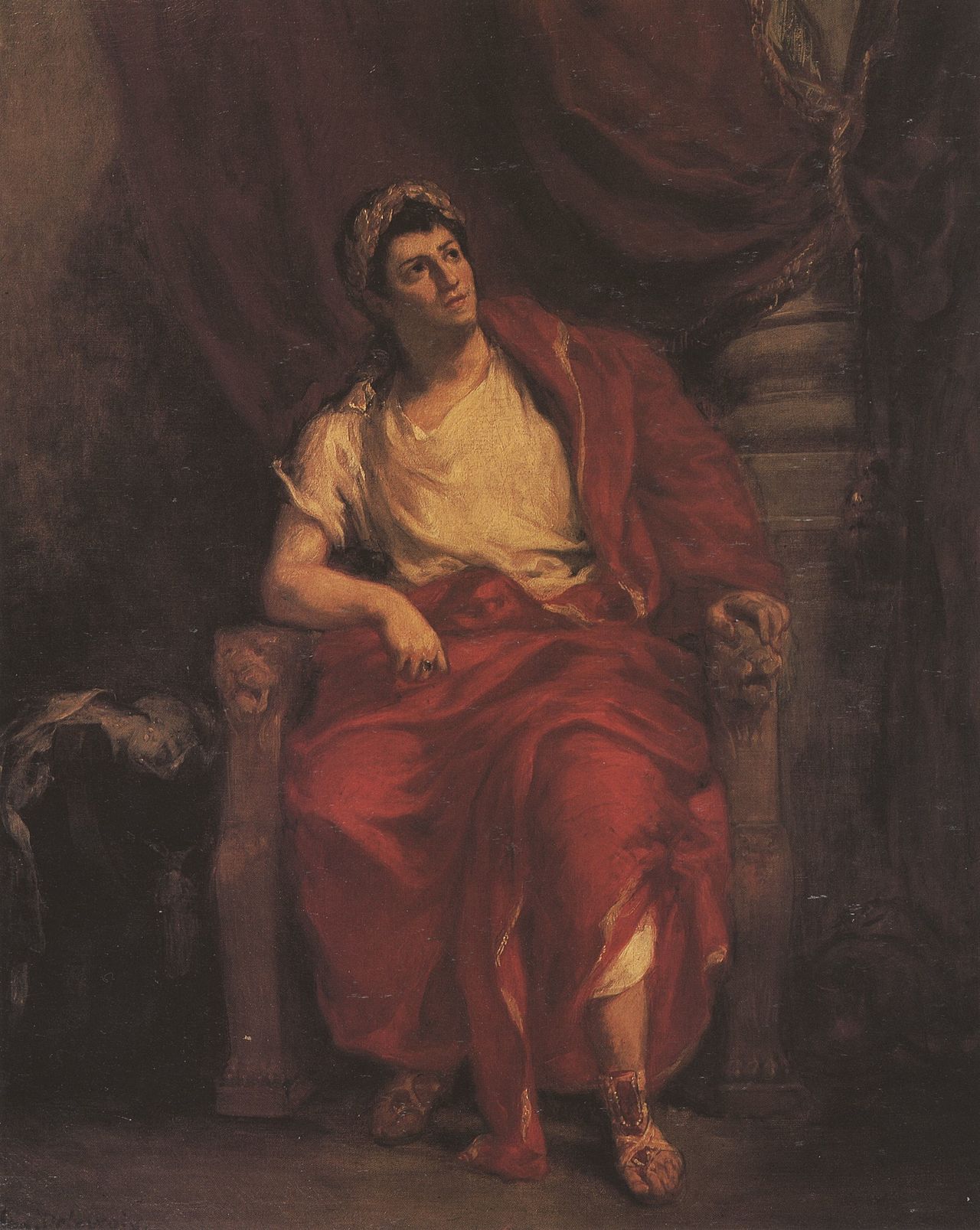




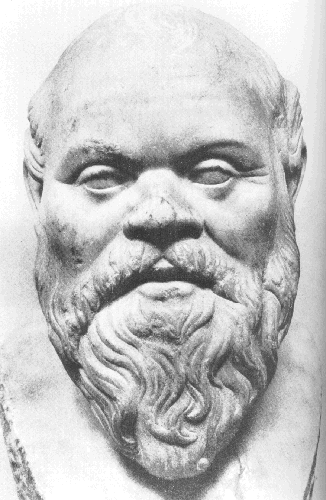
Characteristics and dramatic elements
Classical tragedies typically center on a high-status figure who is broadly admirable but contains a decisive weakness or error—commonly called a "tragic flaw" or hamartia. The plot often involves a reversal of fortune (peripeteia) and a moment of recognition (anagnorisis) when the hero understands what has occurred. The chorus, masked performers, and formal diction were important features of Greek productions. Key technical concepts discussed by critics include hubris (excessive pride), moral choice, inevitability, and catharsis.
Important structural elements included:
- Prologue and parodos: opening scenes and choral entrance;
- Episodes and choral odes: alternating scenes of action and reflective commentary;
- Stasimon: choral songs that interpret or intensify the drama.
Origins and historical development
Tragedy grew out of religious and civic festivals in the 6th and 5th centuries BCE, most notably the festivals of Dionysus in Athens. Early plays were linked to ritual dithyrambs and were performed in large outdoor theatres with minimal scenery. The three canonical tragedians of classical Athens—Aeschylus, Sophocles and Euripides—established forms and themes that influenced later drama. Their surviving works, such as Aeschylus's Agamemnon, Sophocles' Oedipus Rex and Euripides' Medea, continue to be studied and staged for their moral complexity and formal craft.
Across succeeding eras, the tragic model was adapted and reinterpreted. In the Renaissance writers like Shakespeare took up tragic plots and expanded character psychology, while in 17th-century France dramatists such as Jean Racine shaped a neoclassical, verse-based approach. Modern theatre has further diversified the form, producing variations such as tragicomedy and political tragedy.
Although the word "tragedy" is often used colloquially for any lamentable event, theatrical tragedy has a specific set of aims and techniques: to represent morally consequential choices, to show the limits of human control, and to move an audience toward reflection. For study and performance, scholars and practitioners refer to classical sources like Aristotle and to editions and translations of ancient plays, as well as to historical commentaries on staging and chorus use. For general background on dramatic forms see entries on play and historical surveys of theatre.
Tragedy remains a central category in literary history and theatrical practice because it poses enduring questions about fate, responsibility and human suffering. Its conventions—tragic hero, structural reversals, chorus, and moral inquiry—continue to inform writers and audiences and appear in adaptations across cultures and media.
Related articles
Author
AlegsaOnline.com Tragedy (Greek theatre) Leandro Alegsa
URL: https://en.alegsaonline.com/art/101044