
Aeschylus: Pioneer of Greek Tragedy and Author of the Oresteia
Aeschylus (c.525–456 BC) was an influential Greek tragedian whose innovations in dramatic structure, surviving works and role in the Persian Wars shaped classical theatre.
Aeschylus is remembered as one of the earliest and most important figures in ancient Greek theatre. Born around 525 BC in Eleusis, he became a celebrated poet and playwright whose output once numbered many dozens of pieces—ancient sources attribute some seventy or more plays to him. Only a small group of his dramas survive in whole, but those works have proved decisive for our understanding of classical tragedy and its development.
Image gallery
10 Images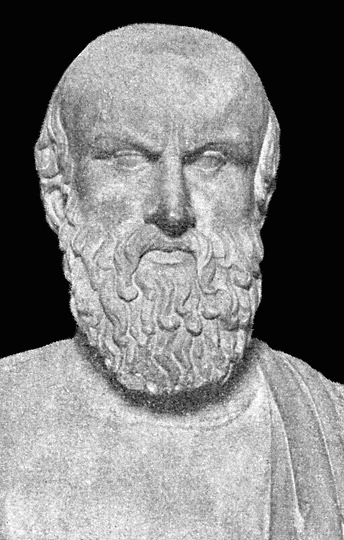




Life and historical context
Aeschylus lived during a turbulent era of Greek history and took part in the conflicts that defined it. He reportedly fought at Marathon and at Salamis during the Persian Wars, experiences that informed his perspective and appear in his stage work. His contemporaries included Sophocles and Euripides, the two other tragedians most often paired with him as the great classical dramatists. Later critics such as Aristotle remarked on Aeschylus’s innovations and their effect on dramatic practice.
Major works and surviving plays
Aeschylus’s extant repertoire includes important and diverse pieces. The most famous is the Oresteia trilogy—Agamemnon, The Libation Bearers and The Eumenides—the only complete trilogy to survive from antiquity. Other surviving titles are The Persians, Seven Against Thebes, The Suppliants, and the disputed Prometheus Bound (authorship uncertain). These plays treat mythic and contemporary themes alike: the Oresteia examines justice, revenge and the evolution of legal institutions, while The Persians dramatizes recent historical events and reflects on the costs of war.
Innovations and dramatic style
Aeschylus is credited with expanding the possibilities of theatrical action by increasing the number of speaking actors on stage. Where earlier drama relied largely on monologues and the singing chorus, he introduced a second principal actor so characters could address one another, a change that deepened interpersonal conflict and narrative complexity. Commentary by ancient critics and surviving passages emphasize his elevated diction, ritual tone, dense imagery, and the sustained presence of the chorus as a moral and religious counterpoint. These choices helped shift Greek performance toward more sustained drama driven by character interaction.
Uses, influence and notable facts
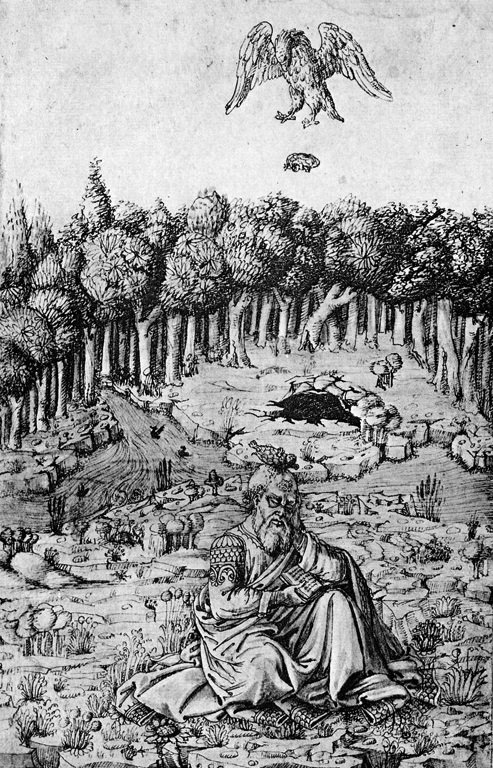
Because of its eyewitness perspective on the Persian Wars, The Persians is consulted by historians as a cultural response to contemporary events rather than a simple mythic tale. Aeschylus’s influence extended through Hellenistic and Roman theatre and into modern conceptions of tragedy and staging. His supposed epitaph, which highlights his service at Marathon, underlines how his military record and literary career were both central to his reputation; classical sources remark on the inscription found on his grave and its reference to the Battle of Marathon.
Legacy
Aeschylus’s surviving dramas offer a distinctive fusion of religious ritual, moral inquiry and dramatic innovation. The Oresteia alone demonstrates a move from personal vengeance to institutional justice; The Persians preserves a rare contemporary viewpoint on foreign war. Scholars continue to study his language, choral structures and stagecraft to trace how Greek theatre evolved into the literary and performative form that shaped Western drama.
- Notable surviving works: Agamemnon; The Libation Bearers; The Eumenides; The Persians; Seven Against Thebes; The Suppliants; Prometheus Bound (disputed).
- Main contribution: introduction of additional actors and extended dramatic dialogue alongside the chorus.
- Historical significance: participant in the Persian Wars and influential model for later tragedians and dramatists.
Questions and answers
Q: Who was Aeschylus?
A: Aeschylus was an Ancient Greek poet and writer.
Q: How many plays did Aeschylus write?
A: Aeschylus wrote about 70-90 plays.
Q: How many of Aeschylus' tragedies have survived complete?
A: Only six of his tragedies have survived complete.
Q: Who were the three greatest Greek writers of tragedians?
A: The three greatest Greek writers of tragedians were Aeschylus, Sophocles, and Euripides.
Q: What did Aristotle say about Aeschylus' plays?
A: Aristotle said that Aeschylus added more characters into his plays. His characters spoke to each other and not just to the chorus. This made it easier to create drama between the characters.
Q: What was one of Aeschylus' plays about?
A: One of Aeschylus' plays, The Persians, was about the Persian invasion of Greece.
Q: What was written on Aeschylus' grave?
A: The writing on Aeschylus' grave only talks about his part in the Greek victory at the Battle of Marathon. There is nothing about the plays he wrote.
Related articles
Author
AlegsaOnline.com Aeschylus: Pioneer of Greek Tragedy and Author of the Oresteia Leandro Alegsa
URL: https://en.alegsaonline.com/art/1190
Sources
- commons.wikimedia.org : Aeschylus
- wikidata.org : wikidata.org/wiki/Q40939
- catalogo.bne.es : XX841570
- catalogue.bnf.fr : cb118881476
- data.bnf.fr : (data)
- cantic.bnc.cat : a10460196
- ci.nii.ac.jp : DA00704896
- d-nb.info : 118500856
- isni.org : 0000 0001 2140 7828
- id.loc.gov : n79055702
- musicbrainz.org : bb3934cc-aca7-46c2-90f4-29f7c1ccb7e7
- id.ndl.go.jp : 00431086
- aleph.nkp.cz : jn19981228002
- nla.gov.au : 35001568
- data.nlg.gr : 14406