
Jean Racine: 17th-Century French Tragic Playwright
Overview of Jean Racine, his life (1639–1699), tragic style, major plays such as Phèdre and Britannicus, and his influence on French classical drama.
Jean Racine was a leading French dramatist of the 17th century, born on December 22 1639 and died on April 21 1699. Widely regarded as one of the three great classical French playwrights alongside Molière and Corneille, he worked primarily in the tragic genre. Racine was a notable French playwright, famed for the concentrated intensity of his verse and dramatic situations; he wrote one comedy but is best remembered for tragedy.
Image gallery
4 Images

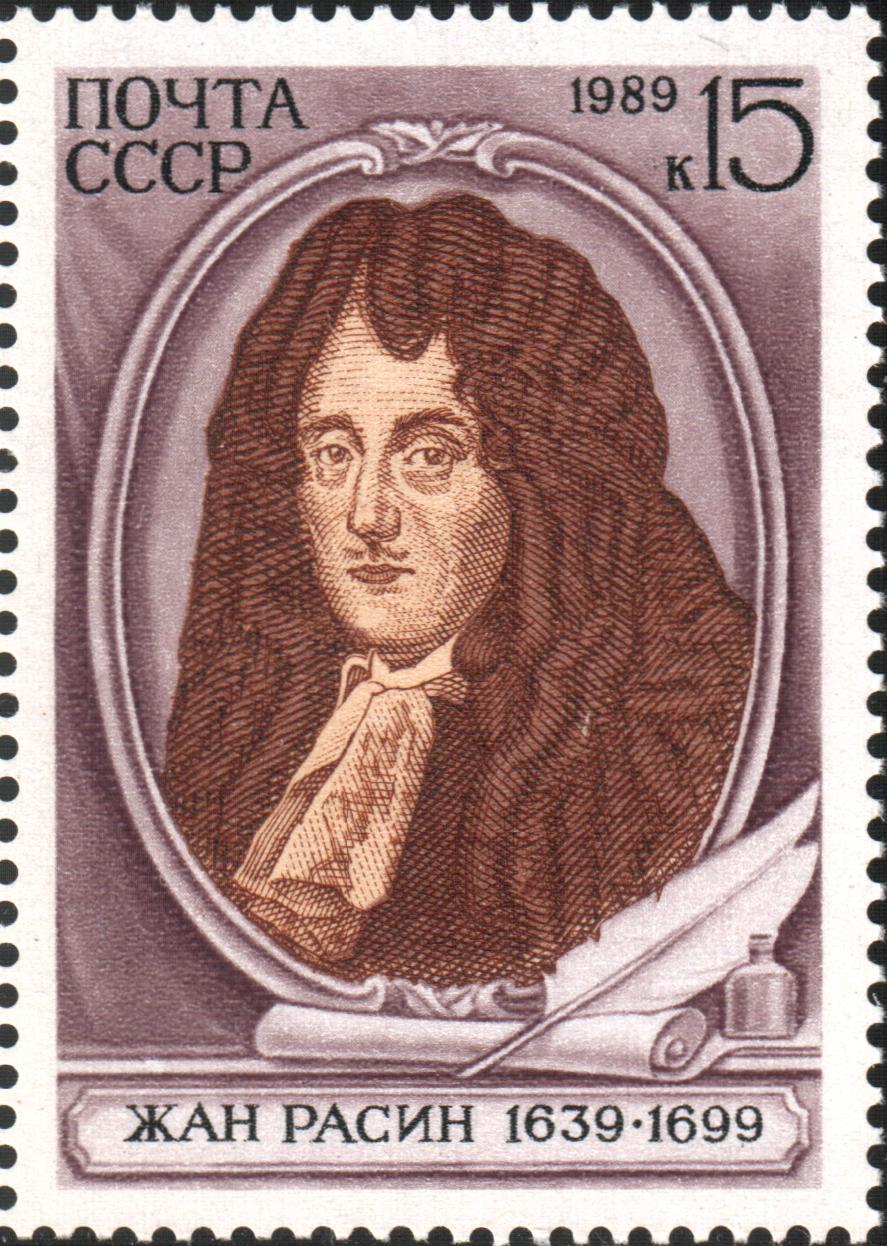
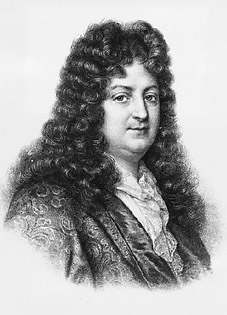
Life and career
Racine emerged in Parisian literary circles through education that emphasized classical authors and religious study. He achieved public success with a sequence of tragedies that were performed at court and in public theaters. Over his career he held royal appointments and eventually stepped back from the stage, though his plays remained in the repertory of French theater.
Style and characteristics
Racine's dramas are marked by disciplined form and psychological intensity. He wrote in alexandrine verse and observed the classical unities of time, place and action more strictly than many of his contemporaries. His plots often explore passionate love, duty, pride and the internal conflicts that lead characters to ruin. The language is compressed, the emotional stakes high, and the moral ambiguity subtle.
Major works
- Phèdre — perhaps his most famous tragedy, centered on forbidden desire and its consequences.
- Andromaque — an early success that established his reputation for concentrated tragic tension.
- Bérénice and Britannicus — exemplify his attentiveness to psychological nuance in royal and intimate settings.
- Athalie and Iphigénie — later works that show his continued mastery of classical form.
Legacy and significance
Racine left a lasting imprint on French literature and theatrical practice. His approach to character, moral conflict and poetic restraint influenced later dramatists and critics, and his plays are frequently studied for their craft and performed internationally. Critics often contrast his inward, tragic intensity with the broader rhetorical energy of Corneille and the comic realism of Molière, making Racine a central figure in discussions of classical French drama.
For readers seeking further information, editions of his collected works and scholarly studies remain widely available and continue to illuminate his techniques and cultural context.
Related articles
Author
AlegsaOnline.com Jean Racine: 17th-Century French Tragic Playwright Leandro Alegsa
URL: https://en.alegsaonline.com/art/49767