
Toyota Yaris: compact car overview, history and notable variants
A concise encyclopedia overview of the Toyota Yaris: its development, body styles, market names, technological evolution and notable performance and hybrid variants.
Overview
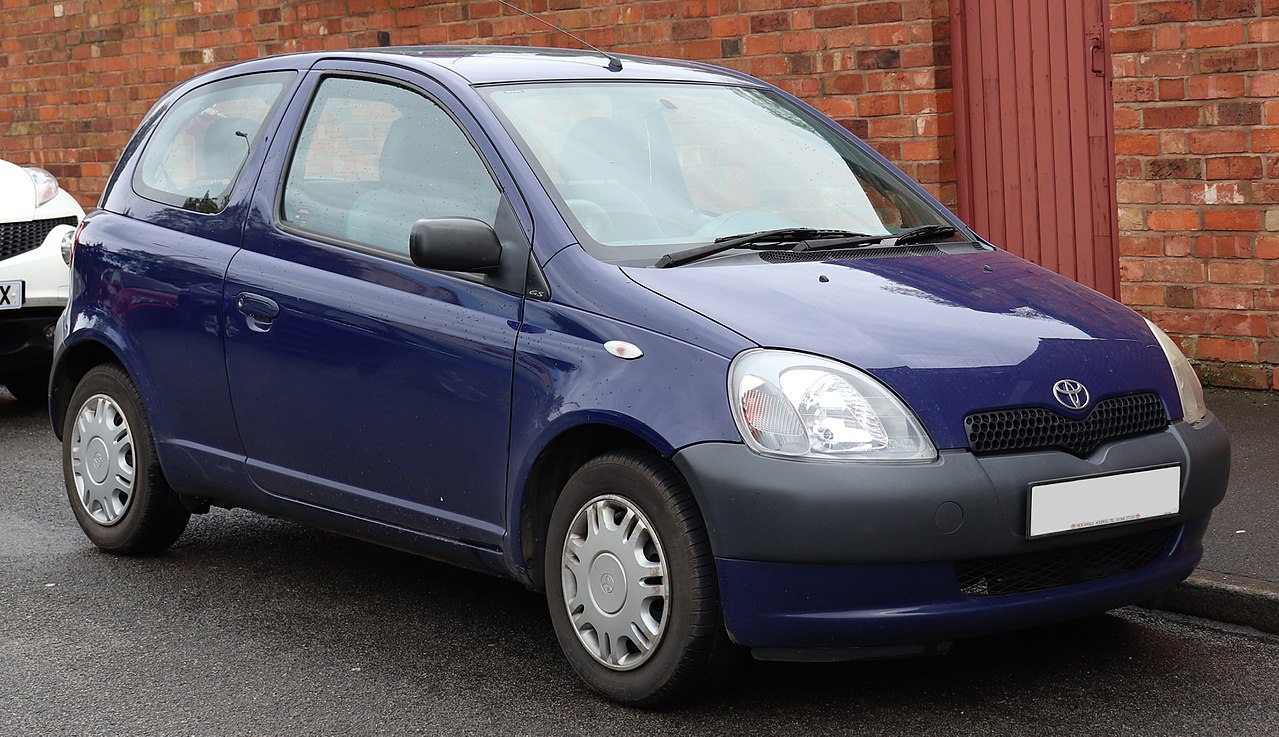
The Toyota Yaris is Toyota's global subcompact automobile line introduced in 1999. Positioned as an efficient, affordable small car for urban and suburban use, the Yaris has been offered in multiple body styles — primarily 3- and 5-door hatchbacks and 4-door sedans — and sold under different names in various markets (including Vitz, Echo, Belta and Vios). Over successive generations the model has evolved to meet changing safety, emissions and consumer demands while remaining one of Toyota's core entry-level offerings.
Image gallery
10 Images





Design, platforms and characteristics
Early Yaris models emphasized compact exterior dimensions, practical interiors and economical engines. A distinctive feature of some first-generation models was a centre-mounted digital instrument display. Later generations adopted more conventional instrument layouts, improved materials and greater cabin space. Body and mechanical configurations vary by market; engines are typically small-displacement petrol units, and more recent generations introduced hybrid powertrains. The fourth-generation model moved to Toyota's modern small-car architecture, bringing tighter chassis control and the option of advanced driver-assistance systems.
History and market names
The nameplate debuted at the end of the 1990s and replaced or complemented earlier small Toyota models in many regions. In some countries the Yaris was marketed under other names such as the Toyota Vitz (Japan and parts of Europe) or Toyota Echo (North America, early 2000s). Sedan variants have often been sold as Belta or Vios. Toyota has produced Yaris vehicles in several countries to serve local markets, and the model has received periodic facelifts and generational redesigns roughly every six to eight years.
Uses, variants and importance
The Yaris is widely used as a daily commuter vehicle, rental fleet car and first-time buyer choice because of its compact size, fuel economy and reliability. Toyota expanded the lineup with hybrid versions to improve efficiency and reduce emissions and introduced sportier variants through its Gazoo Racing division. The high-performance GR models were developed with motorsport in mind and illustrate how the basic Yaris platform can be adapted for competition and enthusiast markets.
Notable distinctions and facts
- The same basic car appears under several model names depending on region, reflecting Toyota's global marketing strategy.
- Across generations the Yaris moved from very simple, economy-focused trim to include advanced safety and connectivity features.
- Performance-oriented GR variants and hybrid variants represent two divergent directions in the Yaris family — one emphasizing sport and the other economy.
For official technical specifications and regional model details see the manufacturer's resources: Toyota Yaris information and the broader corporate pages at Toyota. The Yaris remains a prominent example of a versatile small car that has been adapted for many markets and uses since its launch.
Related articles
Author
AlegsaOnline.com Toyota Yaris: compact car overview, history and notable variants Leandro Alegsa
URL: https://en.alegsaonline.com/art/100985