
Traffic calming: methods, history, and impacts on street safety
Traffic calming comprises physical and regulatory measures that reduce vehicle speeds and enhance safety for pedestrians, cyclists and neighborhoods while balancing mobility and access.
Traffic calming is the set of design techniques and regulatory measures applied to streets to reduce vehicle speeds, discourage through-traffic, and improve safety and comfort for people who walk, cycle, or live nearby. The primary goals are to lower crash risk and severity, create more pleasant public spaces, and support multimodal street use. Traffic calming is an engineered response that complements laws and education to change how roads function.
Image gallery
10 Images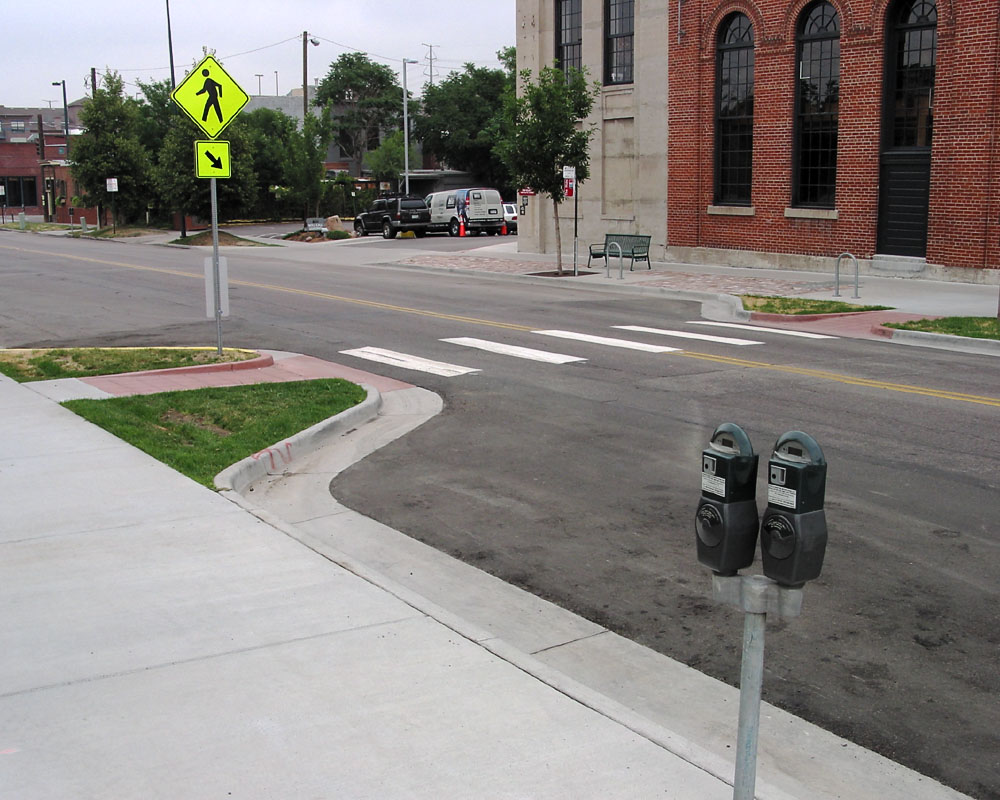


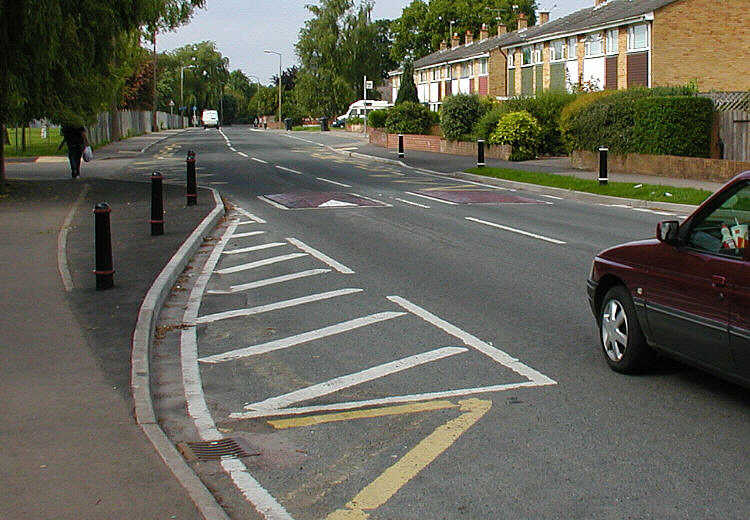


Common techniques
- Vertical deflections: speed bumps, speed humps, raised crosswalks and raised intersections that force drivers to slow.
- Horizontal shifts and narrowing: chicanes, curb extensions (bulb-outs), lane diets and medians that reduce lane width and change alignment.
- Intersection treatments: roundabouts, mini-roundabouts and curb islands that calm turning and crossing movements.
- Surface and visual cues: textured paving, gateway treatments, pavement markings and clear signage to signal a change in context.
- Regulatory and technological measures: lower posted speed limits and automated enforcement such as speed cameras.
Different measures are chosen to suit street function and context: residential lanes often use vertical deflection and curb extensions, while arterial roads may use medians and roundabouts. Designs seek to balance safety and access for emergency vehicles, public transport, and freight.
Origins and development
Modern traffic calming evolved in the mid‑to‑late 20th century as cities reacted to rising vehicle volumes and pedestrian risk. Early European experiments—including Dutch "woonerf" or shared‑space concepts—emphasized priority for residents and pedestrians and influenced policies elsewhere. Since the 1970s and 1980s, many municipalities worldwide have adopted a mix of engineering, enforcement and education to reconfigure streets for lower speeds and greater livability.
Implementation typically follows an evidence‑based process: problem identification, community consultation, design, pilot installation, and post‑installation monitoring. Physical changes are often accompanied by regulatory actions and public information campaigns to reinforce behavior change. For technical guidance on road design principles see road design resources.
Importance, benefits and trade-offs
- Benefits: reduced crash frequency and severity, safer crossings for pedestrians, improved conditions for cycling, lower vehicle speeds and often reduced noise.
- Trade-offs: potential traffic displacement to nearby streets, delays for motorized travel, installation and maintenance costs, and the need to ensure emergency access.
Effective programs combine physical measures with enforcement of speed reduction goals and frequent evaluation. Successful projects consider equity, context, and long‑term maintenance. Traffic calming is not a single device but a toolkit applied to create safer, more livable streets while balancing the needs of all users.
Related articles
Author
AlegsaOnline.com Traffic calming: methods, history, and impacts on street safety Leandro Alegsa
URL: https://en.alegsaonline.com/art/101034