
Traffic collision (motor vehicle collision)
Comprehensive overview of traffic collisions: definitions, common types and causes, consequences, prevention through design and regulation, investigation, and notable distinctions among vulnerable road users.
Overview
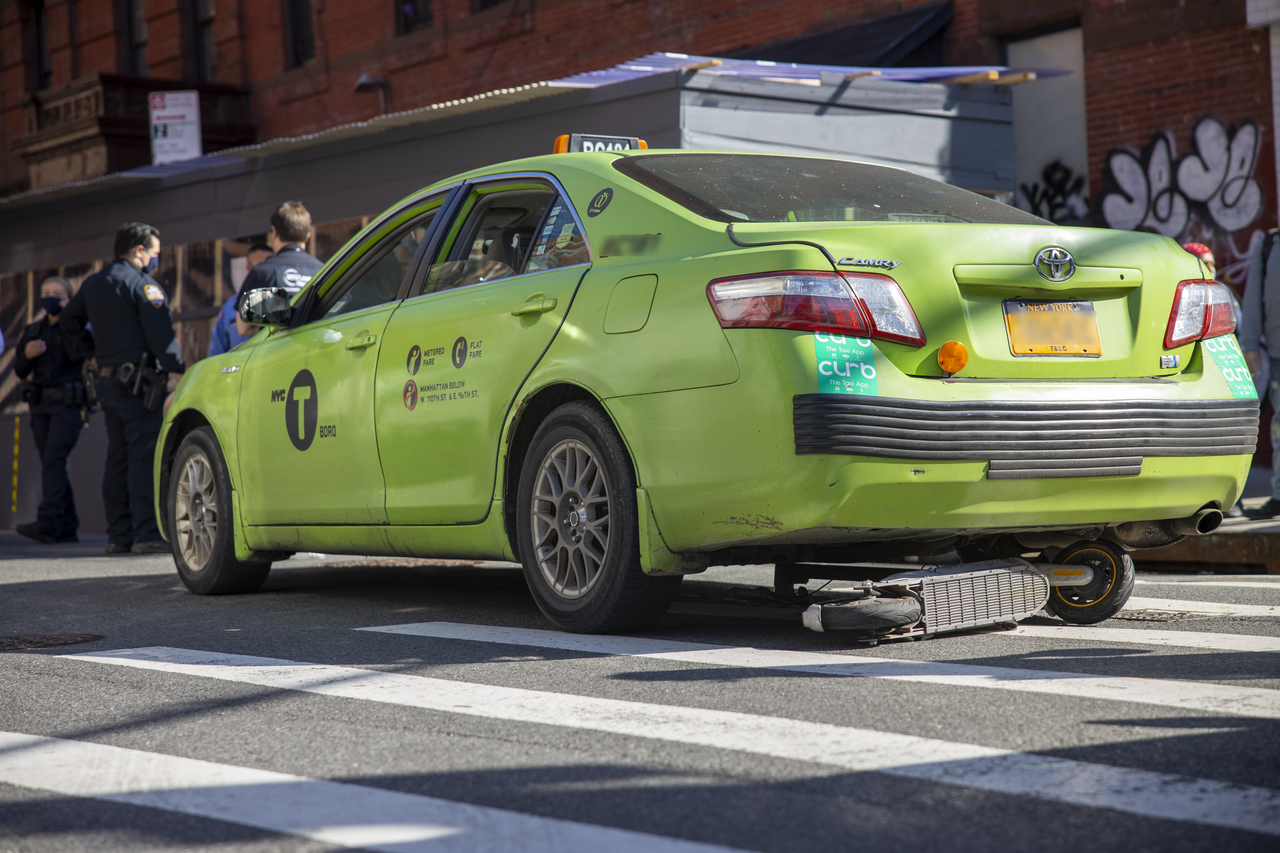
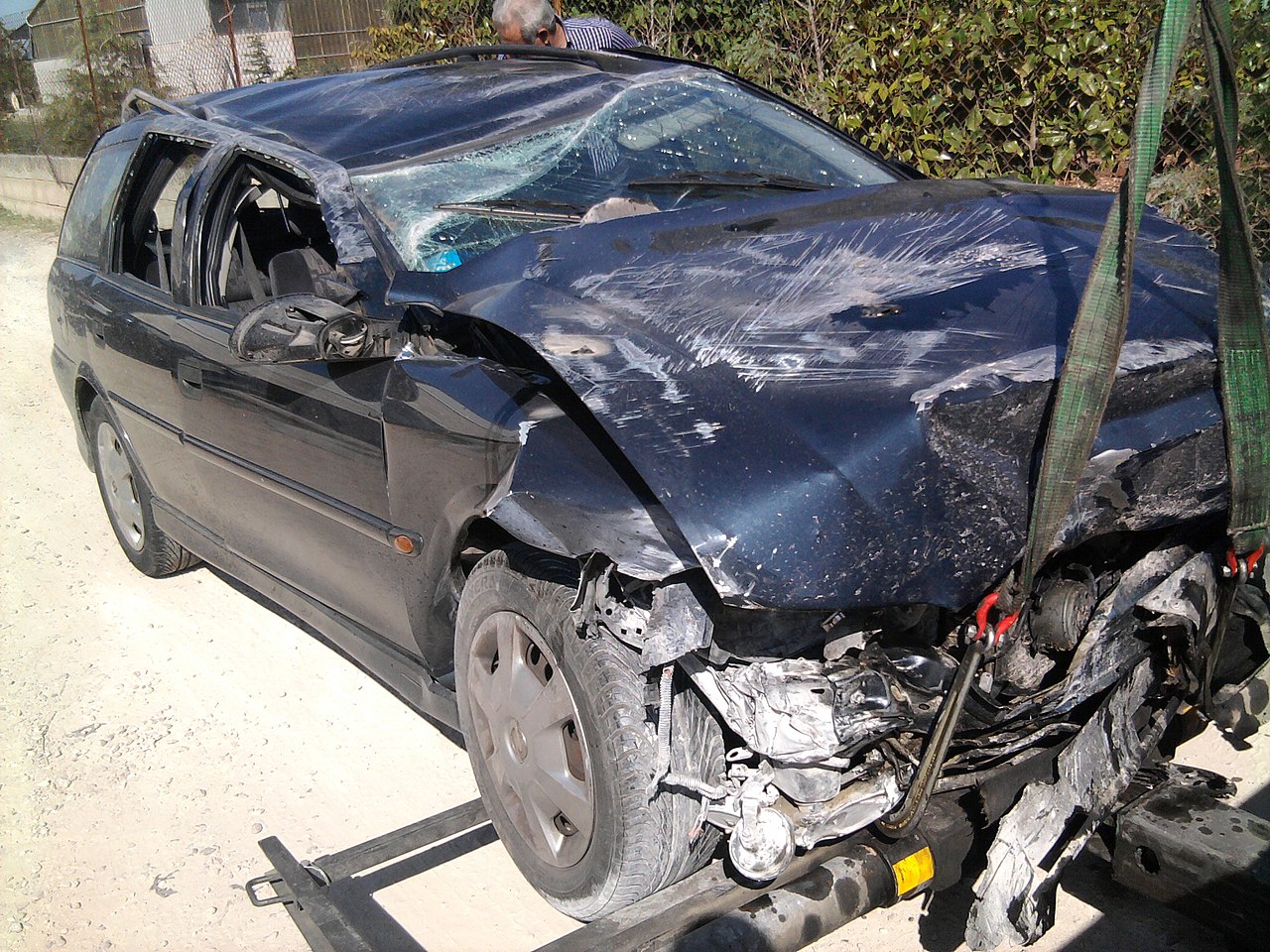
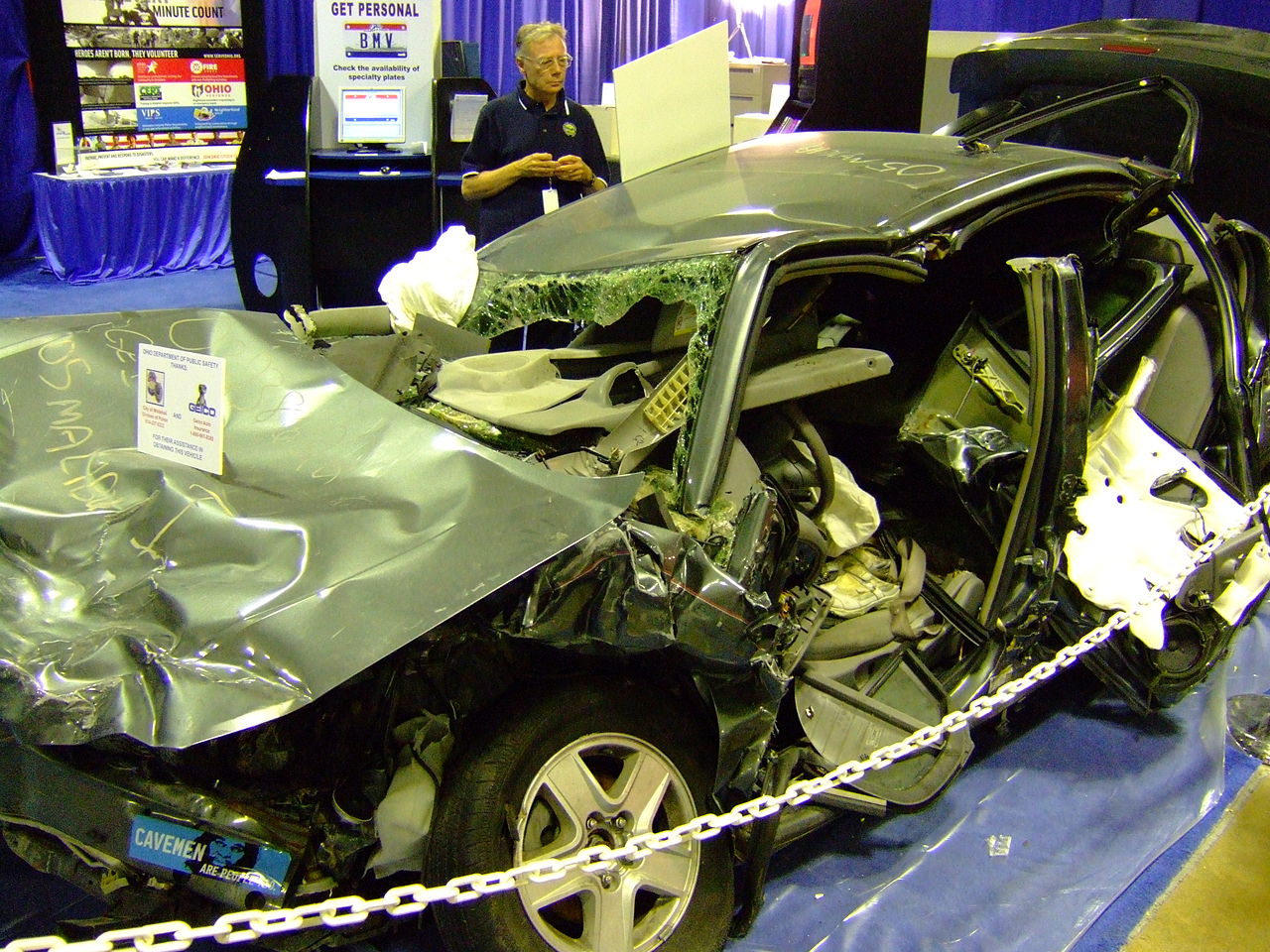
A traffic collision, also known as a motor vehicle collision or crash, occurs when a vehicle impacts another vehicle, a pedestrian, an animal, road debris, or fixed objects such as a pole or barrier. Collisions range from minor contact with little damage to high‑energy events that cause serious injury or death. Globally they are a major public‑health and economic concern, causing tens of millions of injuries and more than a million fatalities each year.
Image gallery
10 Images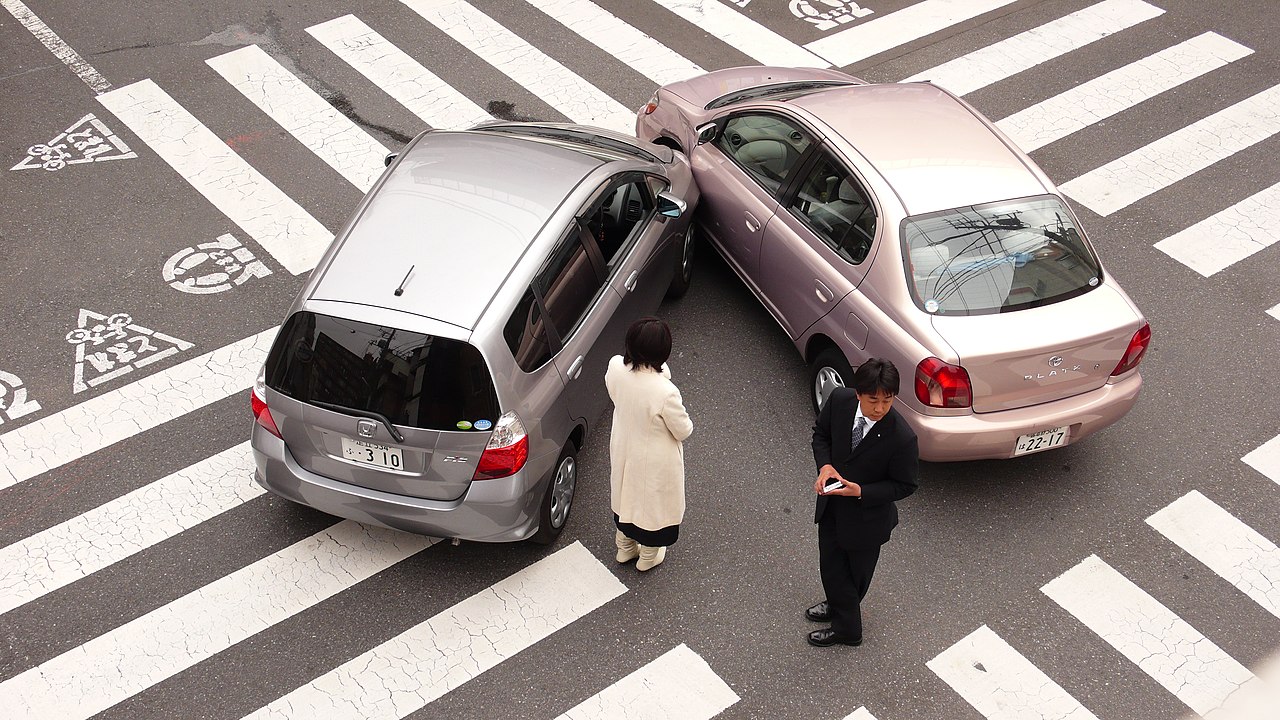





Types and common causes
Crashes are often described by the configuration of contact and dynamics: rear‑end, head‑on, side‑impact (T‑bone), sideswipe, rollover, and single‑vehicle collisions are common classifications. Causes rarely have a single source; they usually involve a combination of human, vehicle, environmental, and roadway factors.
- Human factors: speeding, impaired driving (alcohol or drugs), distraction (phone use), fatigue, inexperience, and poor decision making.
- Vehicle factors: brake failure, tire blowouts, visibility problems, or lack of basic safety features such as functioning lights or tires.
- Environmental and roadway factors: wet or icy surfaces, poor lighting, unclear signage, sharp curves, and obstacles on the road.
Consequences and emergency response
Beyond immediate injury and property damage, collisions create longer‑term impacts: disability, emotional trauma, lost productivity, and significant healthcare and repair costs. Emergency response typically involves first responders for medical aid, police for scene control and investigation, and towing services. Vulnerable road users—pedestrians, cyclists, and motorcyclists—face higher risk of severe injury in collisions. Legal processes such as a trial may follow to determine fault and liability.
Prevention, engineering and vehicle safety
Road safety combines vehicle design, infrastructure, behaviour change, and enforcement. Modern vehicles include crash‑mitigating features such as seat belts, airbags, electronic stability control, and advanced driver assistance systems. At the network level, countermeasures include median barriers, roundabouts, dedicated cycling lanes, raised crosswalks, clearer signage, and traffic calming to reduce speeds.
- Behavioral and enforcement measures: licensing standards, sobriety checks, speed enforcement, and public education campaigns.
- Design measures: separated pathways for pedestrians and cyclists, safe crossing points, and forgiving roadside design to reduce impact severity.
Investigation, data and policy
Crash investigation aims to establish sequence, causes, and responsibility. Data collected at scenes, from vehicle event recorders, and by witnesses supports analysis used for legal action, insurance claims, and safety improvements. Policymakers and planners use crash statistics to prioritise engineering works and regulatory changes, while road safety advocates press for designs that protect all road users.
Notable distinctions
Not all collisions are alike: single‑vehicle crashes often indicate loss of control or adverse conditions, while multi‑vehicle chain collisions frequently arise from sudden stops and following too closely. Crashes involving pedestrians or cyclists often carry different legal and design considerations because of the vulnerability of the human body. Effective reduction of traffic collisions requires integrated approaches combining safer vehicles, better road design, responsible user behaviour, and robust enforcement.
Related articles
Author
AlegsaOnline.com Traffic collision (motor vehicle collision) Leandro Alegsa
URL: https://en.alegsaonline.com/art/101035