
Toyota Motor Corporation — Japanese automaker and mobility company
Toyota Motor Corporation is a major Japanese automaker known for mass-market cars, trucks, hybrids and production innovations such as the Toyota Production System.
Overview
Toyota Motor Corporation is a large Japanese automobile manufacturer with global operations in vehicle production, finance and mobility services. The company's Japanese corporate name is shown in native script on many formal records: トヨタ自動車株式会社, often romanized with Hepburn conventions. Toyota is widely described simply as an automaker from Japan with a headquarters region centered in the city that shares its name, Toyota, Aichi Prefecture. Leadership figures such as Eiji Toyoda played major roles in the company's 20th‑century growth.
Image gallery
10 Images


Origins and development
Toyota traces its roots to a family business that originally manufactured textile machines. The vehicle division developed from that industrial background in the 1930s, when the original enterprise built on experience with weaving machines shifted into motor vehicles. The formally named Toyota Motor Corporation grew as the automotive operations were organized and expanded in the mid‑20th century. Over decades the company diversified its brands and technologies and became a global network of factories, sales operations and research centers.
Brands and products
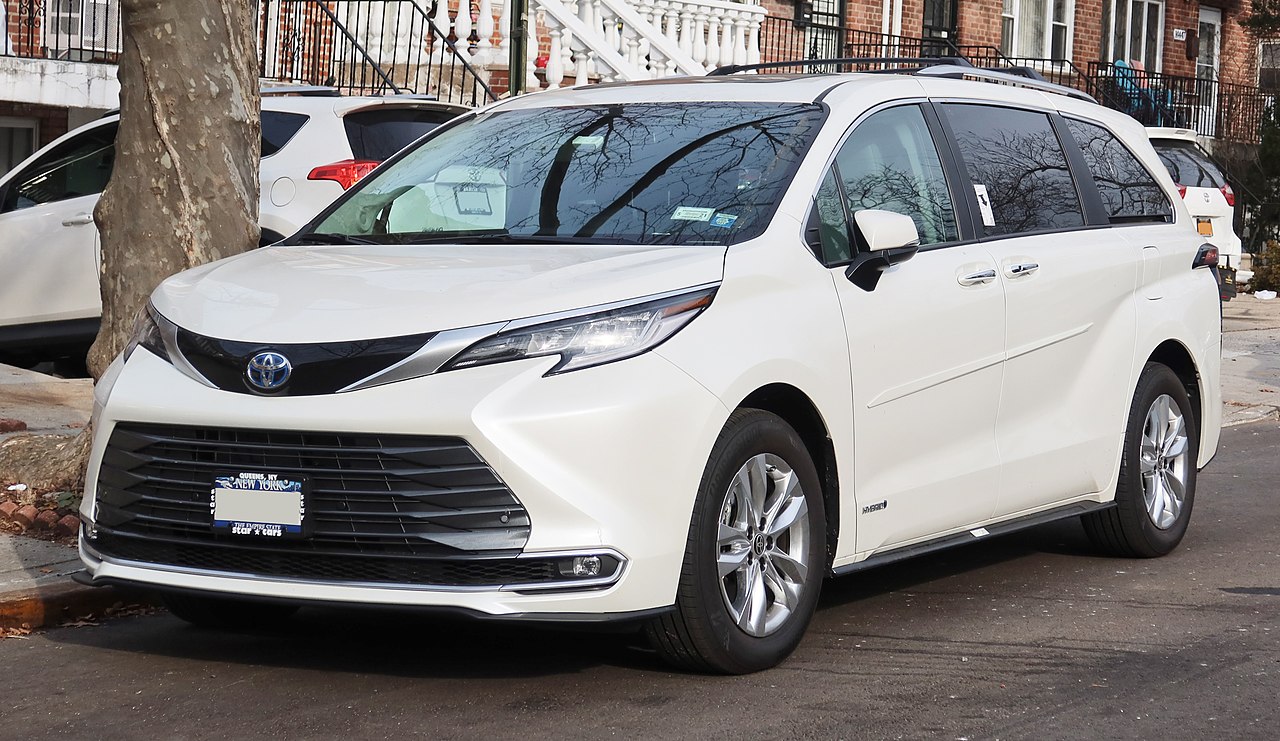
Toyota sells a wide range of passenger cars, light trucks and commercial vehicles under several marques. Notable contemporary and historical brands include:
- Toyota — the core mass‑market marque for cars and trucks
- Lexus — the luxury division introduced to compete internationally
- Hino — commercial trucks and buses (part of the group)
- Daihatsu — a compact‑vehicle maker in which Toyota holds a majority stake
- Scion — a youth‑oriented marque that was launched and later phased out
Beyond vehicles, Toyota operates a financial arm that provides loans and leasing, as well as mobility services and component supply chains.
Manufacturing and global presence
Toyota has manufacturing plants and regional offices across the world. In North America its operations have included major facilities and design centers, historically including offices in Torrance, California and design work at the Calty Design Center in California. The company operates large assembly plants such as the factory in Georgetown, Kentucky. Toyota also participated in joint ventures with other automakers; one notable example was the NUMMI plant in Fremont, California, operated in partnership with General Motors, which later became a site used by Tesla Motors after the joint venture ended.
Manufacturing system, technology and reputation
Toyota is widely associated with the Toyota Production System (TPS), an approach to manufacturing that emphasizes efficiency, just‑in‑time inventory, continuous improvement (kaizen) and quality control. These methods influenced manufacturing worldwide and underpin Toyota's reputation for durable, long‑lasting vehicles. The company has been an early mass‑market proponent of hybrid powertrains and has continued to invest in electrification, fuel‑cell research and other advanced powertrain technologies.
Notable points and legacy
Toyota is commonly listed among the world's largest automakers by production and sales. It has influenced industrial management and automotive engineering, and many of its models are noted for resale value and longevity. Historical figures associated with the firm, such as Eiji Toyoda, are often cited in accounts of Toyota's rise; Eiji's long life and leadership earned attention in news accounts when he passed in recent years. The company remains a major multinational corporation with a broad portfolio of vehicles, services and research initiatives.
For further reading and company resources see corporate and historical materials via official pages and automotive industry analyses: Japanese corporate listing, romanization notes, and historical retrospectives such as those linked from manufacturer archives and specialized transport histories.
Related articles
Author
AlegsaOnline.com Toyota Motor Corporation — Japanese automaker and mobility company Leandro Alegsa
URL: https://en.alegsaonline.com/art/100986
Sources
- www2.toyota.co.jp : "TMC Announces Results for December 2015 and CY2015"
- toyota-global.com : "Consolidated Results for FY2013 (April 1, 2012 through March 31, 2013)" · web.archive.org
- 4-traders.com : "Toyota Motor Corp company : Shareholders, managers and business summary | Tokyo: 7203"
- fortune.com : "Toyota Motor"
- toyota-global.com : "FORM 20-F"