
Bedbug (Cimicidae): biology, behavior, detection and control
A compact, neutral overview of bedbugs (family Cimicidae): their biology, life cycle, behavior, health effects, detection, prevention and common control measures.
Bedbugs are small, wingless, blood-feeding insects in the family Cimicidae. The best-known species is Cimex lectularius, commonly called the bedbug. They are nocturnal parasites that feed on the blood of humans and other warm-blooded animals; the act of feeding is called hematophagy and involves piercing skin and drawing blood with specialized mouthparts (blood).
Image gallery
4 Images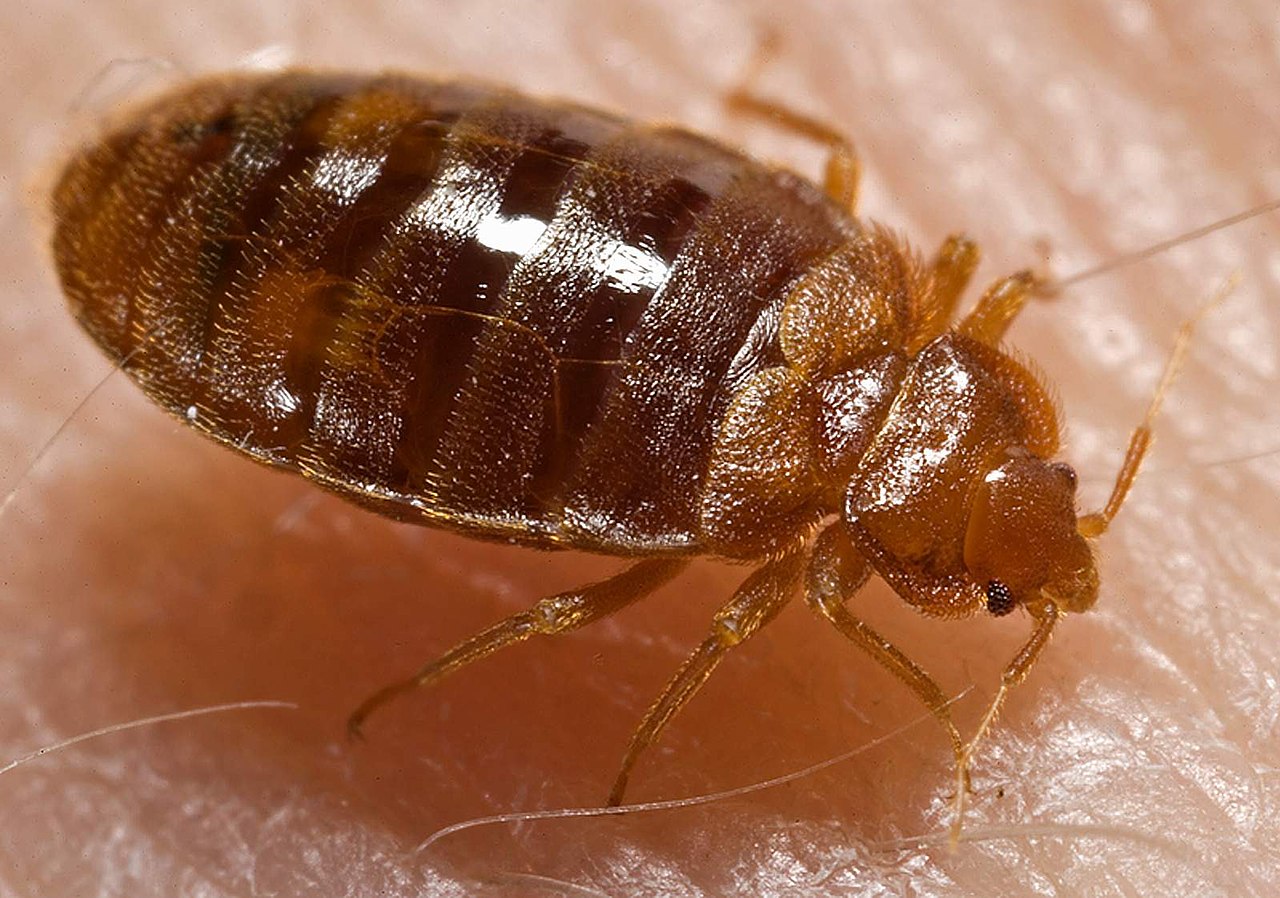


Physical characteristics and life cycle
Adults are flattened, oval, and usually reddish-brown in color, roughly the size of an apple seed (several millimetres long). Their life cycle includes egg, multiple nymphal instars, and adult. Nymphs must take a blood meal to molt to the next stage. Under favourable conditions they can develop from egg to adult in a few weeks; adults may survive for months without feeding.
Behavior, habitat and spread
Bedbugs are most active at night and often aggregate in cracks and crevices close to sleeping areas: mattress seams, bed frames, headboards, upholstered furniture and baseboards. They are skilled hitchhikers and commonly spread in luggage, clothing, secondhand furniture and along public-transport routes, which helps explain their wide distribution. Infestations occur in all types of dwellings and are not restricted to poor sanitation or specific regions.
Health effects and misconceptions
Bites typically cause itchy welts or small red marks; reactions vary from none to significant itching and swelling. Although bedbugs consume blood, they are not considered important disease vectors for human pathogens in routine conditions; research has detected various microbes but transmission to humans has not been established. Psychological effects, sleep disturbance and allergic reactions are an important part of the public-health impact.
Detection and control
- Signs of infestation: live bugs, shed skins, tiny white eggs, dark fecal spots or a musty odour.
- Non-chemical measures: thorough inspection, vacuuming, laundering bedding and clothing at high temperatures, sealing cracks, and using mattress encasements.
- Heat treatment (professional whole-room or container treatments) is highly effective because bedbugs and eggs are heat-sensitive.
- Insecticides can reduce populations but may be limited by resistance; professional integrated pest management (IPM) that combines methods is widely recommended.
Prevention focuses on early detection, careful inspection of luggage and secondhand items, and reducing clutter that hides insects. For guidance on identification, public-health recommendations, or professional services consult regional resources or pest-control experts (human exposures, bite comparison).
Related articles
Author
AlegsaOnline.com Bedbug (Cimicidae): biology, behavior, detection and control Leandro Alegsa
URL: https://en.alegsaonline.com/art/10022
Sources
- falw.vu.nl : "Biology of the Bed Bugs (Cimicidae)"
- doi.org : 10.1146/annurev.ento.52.040306.133913