
Biceps (biceps brachii): anatomy, function and clinical notes
Overview of the biceps brachii muscle: structure (long and short heads), actions (elbow flexion, forearm supination), comparative anatomy, common injuries and clinical relevance.
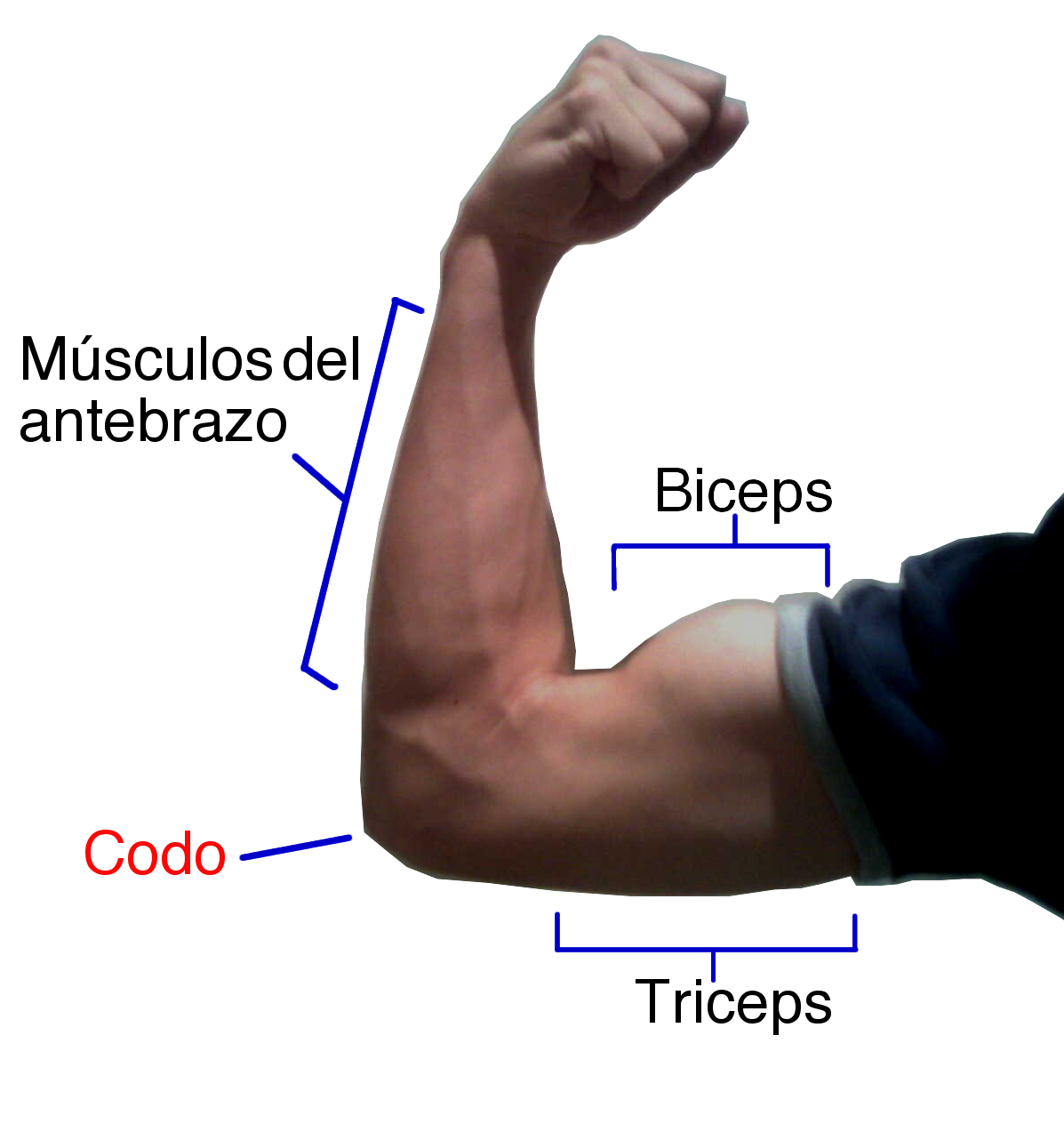
The biceps brachii is a prominent muscle on the front of the upper arm in humans. Often referred to simply as the biceps, its main visible role is to shape the anterior arm and contribute to the movement of the forearm and shoulder. The formal name is biceps brachii, which literally means “two-headed muscle,” a reference to its two proximal tendinous origins.
Image gallery
10 Images





Structure and parts
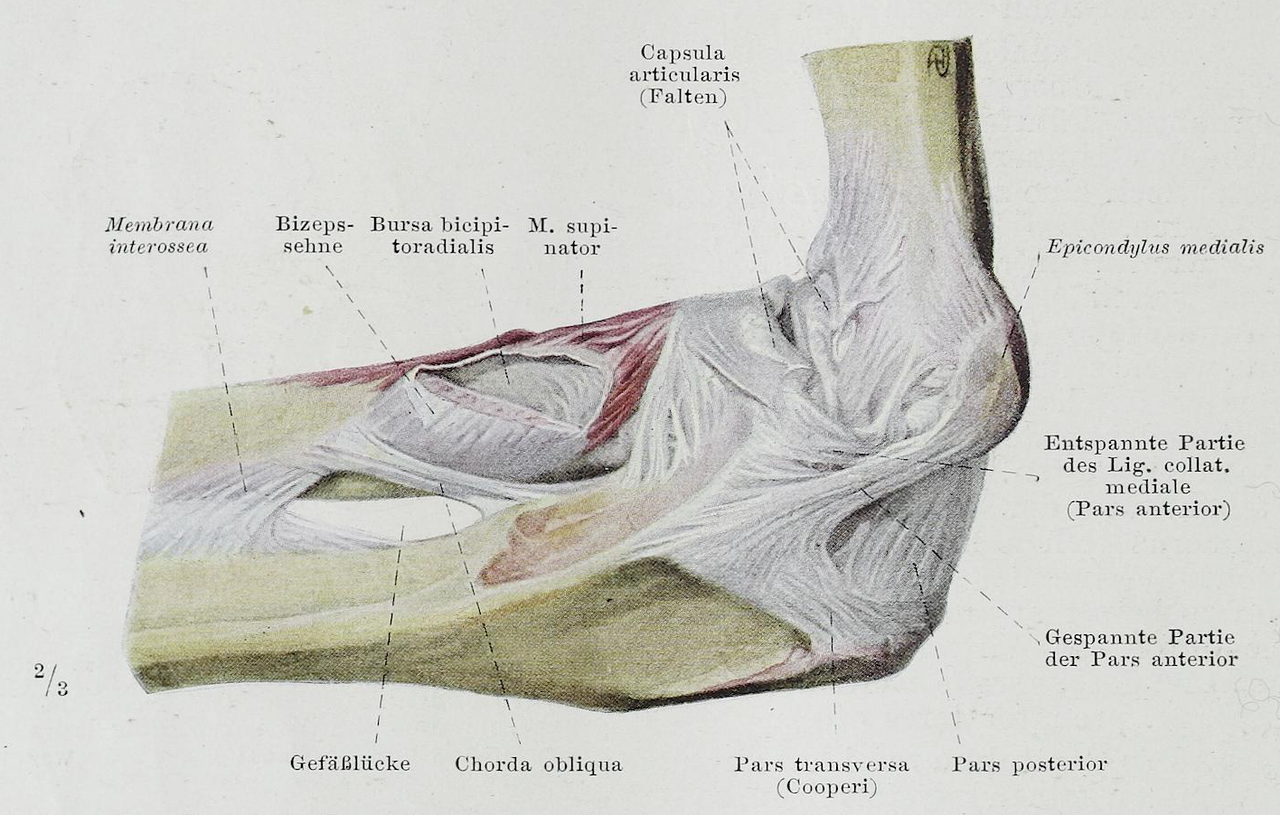
In humans the biceps has two distinct heads: the long head and the short head. The two heads arise from different areas of the shoulder region and converge into a single muscle belly that inserts on the forearm. The long head typically passes through the shoulder joint groove, while the short head originates nearer the shoulder blade. Both heads share a common distal attachment on the radius and an aponeurotic expansion into the fascia of the forearm.
Function and mechanics
The biceps acts primarily to bend the elbow and rotate the forearm so the palm faces upward (supination). When the muscle shortens it flexes the elbow and exerts a twisting force on the forearm. It also assists with forward movement of the arm at the shoulder. These actions make the biceps important for tasks such as lifting, pulling and turning objects.
Comparative and developmental notes
Compared with many quadrupeds, the human biceps is involved in a wider range of motions because of the greater mobility of the shoulder and forearm. In four-legged animals the equivalent muscle often has a simpler arrangement and different points of attachment. The evolutionary development of forelimb musculature contributed to the human capacity for precision manipulation and varied arm positions.
Clinical relevance and common conditions
In clinical practice the biceps is notable for conditions such as tendinopathy, inflammation of the tendon sheath, and tendon rupture. The long head tendon is a frequent site of wear and pain, sometimes leading to surgical repair. Weakness or pain in the biceps can affect everyday activities that require elbow flexion or forearm rotation. Simple bedside tests and imaging help clinicians assess tendon integrity and muscle function.
Notable anatomical details and variations
- The two heads originate from different areas near the shoulder blade: the long head from a point near the shoulder joint and the short head from a structure on the scapula or shoulder blade area.
- Both heads act on the elbow and contribute to movement of the forearm.
- The muscle’s name refers to its two proximal attachments near the shoulder, a distinguishing feature among some species.
- Accessory slips or an extra head are occasional variations and generally of minor clinical significance.
Understanding the biceps is important for anatomy, rehabilitation, sports medicine and surgery. Its visible prominence and functional importance make it a frequent subject of study in both educational and clinical settings. For further anatomical diagrams and clinical protocols, consult specialized anatomy texts and professional sources.
Related articles
Author
AlegsaOnline.com Biceps (biceps brachii): anatomy, function and clinical notes Leandro Alegsa
URL: https://en.alegsaonline.com/art/11256