
Titanis — prehistoric flightless predator of the Phorusrhacidae
Titanis was a large, flightless predatory bird (a 'terror bird') known from Pliocene–Pleistocene deposits. A South American lineage that reached North America, it illustrates the phorusrhacid radiations and extinction.
Titanis is the name applied to a genus of large, flightless predatory birds belonging to the family Phorusrhacidae, commonly called "terror birds." The name Titanis is derived from a word meaning "giant," and reflects the bird's imposing build. Fossils attributed to this genus have informed scientists about the anatomy and role of these birds in prehistoric ecosystems; for general context see flightless bird.
Image gallery
10 Images



Physical characteristics
Titanis and its relatives combined adaptations for terrestrial hunting with reduced wing structures. Typical features reconstructed from fossils include a robust, hooked beak, a tall upright posture, long powerful legs for running or striking, and small, non-flight wings. Modern descriptions of the genus emphasize these diagnostic traits; more on the taxonomic concept is available at genus.
Fossil record and distribution
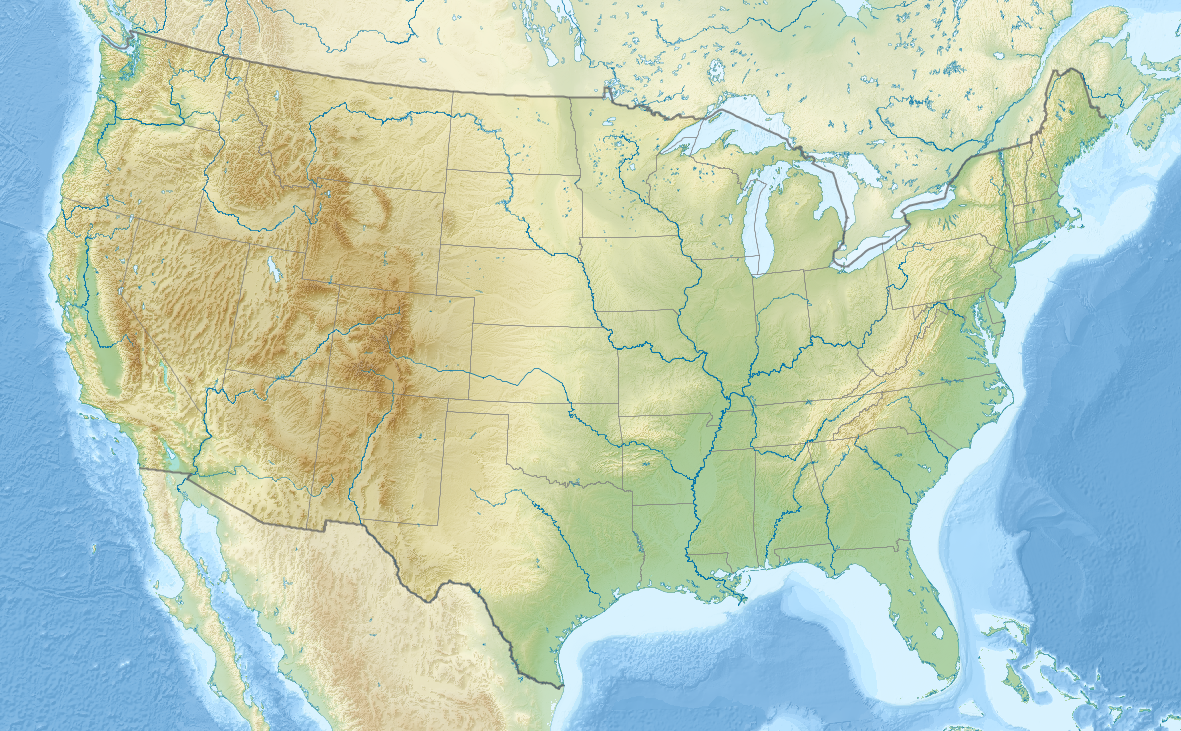
Phorusrhacids originated in South America and dominated many terrestrial predator niches there during the Cainozoic. Titanis is notable because its remains occur in North American Pliocene–Pleistocene strata, evidence of a northward dispersal during the Great American Biotic Interchange. The group as a whole is often discussed under the informal name terror birds, and individual species are considered among the region's leading land carnivores (land carnivores).
Ecology and significance
Interpreted as active predators or opportunistic scavengers, Titanis would have preyed on small to medium vertebrates and possibly competed with early placental carnivores after dispersal. Its presence in North America illustrates biogeographic shifts between continents and helps paleontologists understand ecosystem change in the Neogene and Quaternary periods; for background on South American contexts see South America.
Extinction of Titanis and other phorusrhacids by the end of the Pleistocene may reflect climatic shifts, habitat change, and new competitors, though the precise causes remain debated. For further reading and specimen records consult additional resources.
Related articles
Author
AlegsaOnline.com Titanis — prehistoric flightless predator of the Phorusrhacidae Leandro Alegsa
URL: https://en.alegsaonline.com/art/100119