
Tornjak — Bosnian‑Croatian mountain shepherd and livestock guardian
The Tornjak is a traditional mountain shepherd dog from Bosnia and Herzegovina and Croatia: a large, long‑coated livestock guardian with medieval roots, revived in the 20th century and still used for flock protection.
The Tornjak is a traditional mountain shepherd or livestock guardian dog originating in the Dinaric and sub‑Alpine regions of the western Balkans. It is commonly described in English as a Bosnian and Herzegovinian–Croatian Shepherd and is best known for its role as a mountain sheep dog mountain sheep dog bred to protect flocks. The breed is native to Bosnia and Herzegovina and Croatia, where it developed in pastoral communities that practiced seasonal grazing and transhumance.
Image gallery
3 Images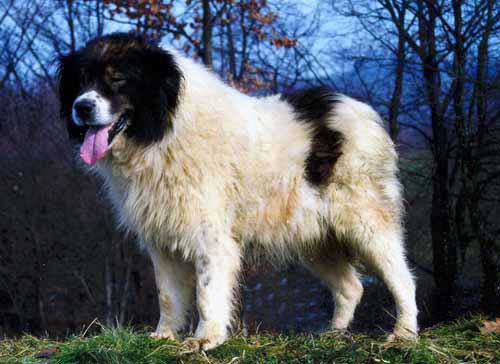

Characteristics
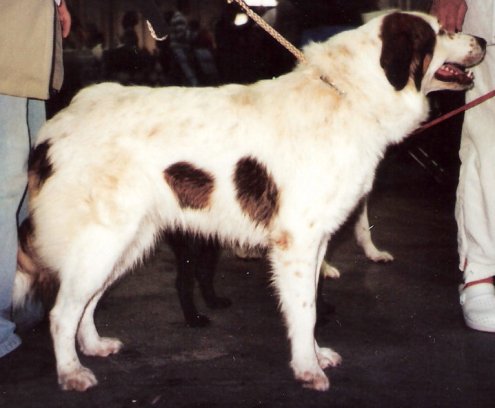
Tornjaks are large, sturdy dogs with a substantial double coat that protects them from harsh weather in high pastures. Typical features include a broad head, muscular build, and a long, dense outer coat with a woolly undercoat. Many Tornjaks are predominantly white with well‑defined darker markings on the head and body, although color and pattern can vary between individuals and regional types.
- Size and build: large, balanced, and powerful, suited for long hours on rough terrain.
- Coat: long and protective, weather‑resistant, often with a mane‑like ruff.
- Temperament: calm, alert, independent and strongly protective of livestock and territory.
As working guardians, Tornjaks combine firmness with restraint: they typically deter predators and strangers by their presence and voice rather than by unprovoked aggression. Early socialization and consistent handling are important for channeling their natural guarding instincts into reliable behavior around people and domestic animals.
History and conservation
References to dogs resembling the Tornjak appear in medieval documents from the region, including sources dated to the 11th and 14th centuries, reflecting a long association with sheep husbandry. By the mid‑20th century the population had declined sharply due to rural depopulation, changes in farming, and crossbreeding. A targeted breeding and preservation effort beginning in the late 20th century helped reestablish pure lines and maintain traditional working traits.
Today the Tornjak is valued both as a working livestock guardian in mountain pasture systems and as a living element of regional cultural heritage. Breed clubs and regional kennel organizations maintain standards, promote responsible breeding, and support owners who use the dogs for guarding or as companions.
Use, care and distinctiveness
Primarily a flock guardian, the Tornjak is used to watch over sheep and goats, protect them from wolves and stray dogs, and warn shepherds of danger. In modern settings some Tornjaks adapt to life as family guardians, but their size, exercise needs and instinctive guarding behavior make them better suited to rural or working homes than to small urban apartments.
The Tornjak shares the Balkan pastoral landscape with other regional guardian breeds, such as the Šarplaninac and the Karst Shepherd, but is recognized by breeders and handlers for particular coat types and traditional pastoral roles in Bosnia and Croatia. Its revival is often cited as an example of conserving working breeds that are integral to local agricultural practices and cultural identity.
For further background on mountain shepherding traditions and the role of guardian breeds, see resources maintained by regional breed organizations and shepherding associations (breed and working dog information, Bosnian sources, Croatian sources).
Related articles
Author
AlegsaOnline.com Tornjak — Bosnian‑Croatian mountain shepherd and livestock guardian Leandro Alegsa
URL: https://en.alegsaonline.com/art/100706
Sources
- fci.be : "Tornjak"
- web.hks.hr : Tornjak (Bosnian and Herzegovinian – Croatian Shepherd dog)