
Tonic immobility
Tonic immobility is a reflexive, temporary state of motor inhibition seen in many animals and sometimes humans; studied in behaviour, welfare and trauma contexts.
Overview
Tonic immobility is a temporary, involuntary state in which an animal becomes very still and unresponsive to external stimuli. Researchers often describe it as a form of reflexive paralysis or a last-resort defensive reaction. Its occurrence ranges from brief freezing to prolonged immobility lasting minutes, and it can appear in very different contexts depending on species and situation. Some authors use a descriptive phrase such as temporary paralysis to convey the outward appearance of the state.
Image gallery
10 Images




Physiology and mechanisms
The physiological basis of tonic immobility is not fully settled, but it typically involves rapid changes in the autonomic nervous system: reduced voluntary movement, altered muscle tone and shifts in heart rate and breathing. Neurochemical systems implicated in fear and stress—such as endogenous opioids and monoamines—appear to modulate the response. Because the response is involuntary and tightly linked to intense threat or restraint, it is usually interpreted as an anti-predator or emergency coping mechanism rather than a deliberate behaviour.
Occurrence and examples
Tonic immobility has been documented across a wide range of taxa. Typical examples include:
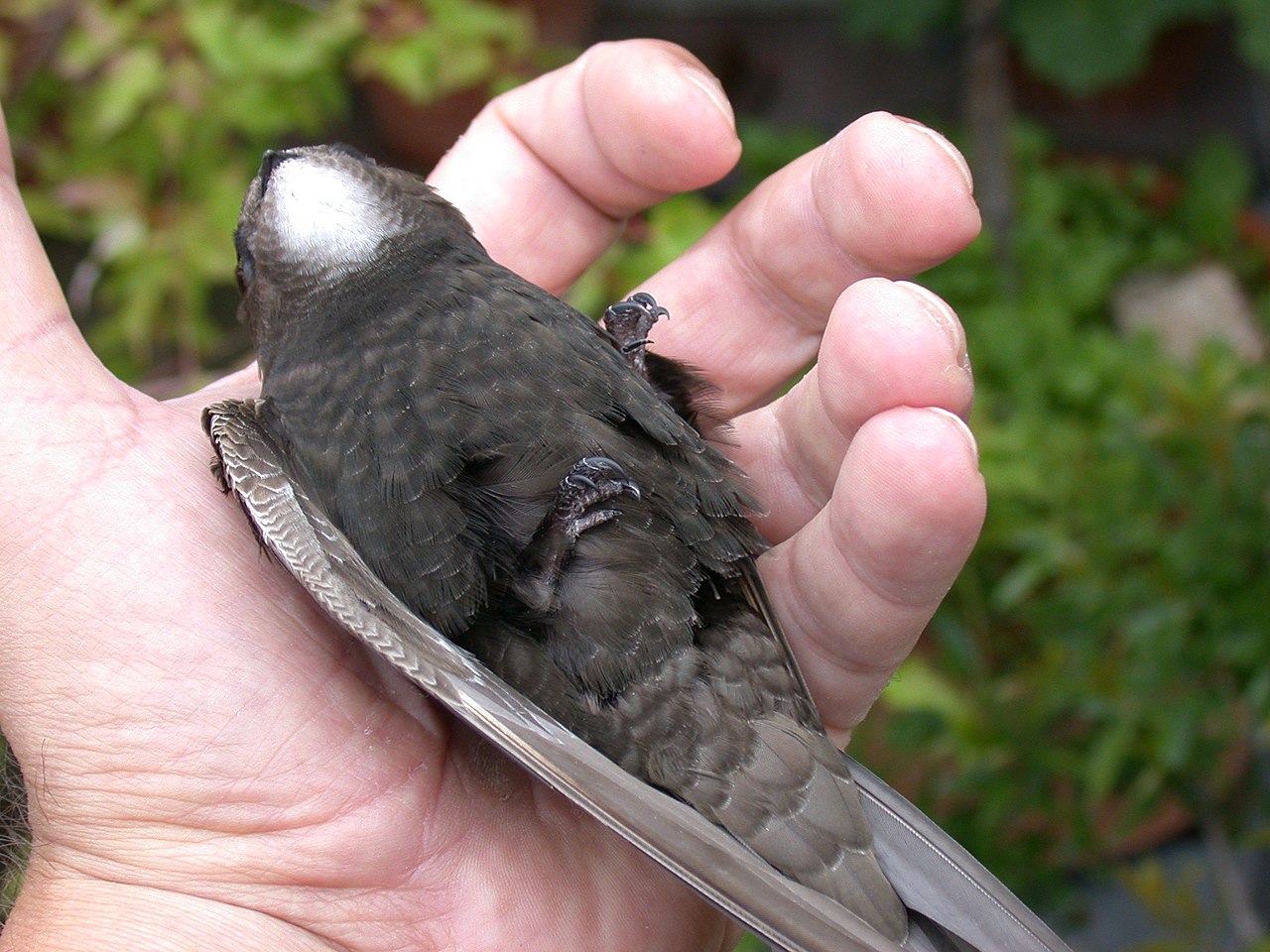
- Birds and small mammals: many ground‑nesting birds and rodents show immobility when captured or restrained, which can sometimes reduce further attack by predators.
- Reptiles and amphibians: a number of species enter a rigid, unresponsive posture that may resemble thanatosis (playing dead).
- Marine animals: some shark species will become immobile when inverted; this phenomenon has also been observed in other fish.
- Invertebrates: crustaceans such as lobsters can be induced into immobility by specific tactile stimulation of the underside of the body.
For specific taxa the behaviour is used differently: researchers handling sharks sometimes elicit immobility to reduce struggling (shark examples), while simple tactile or visual cues can trigger immobility in laboratory birds and crustaceans (lobster and poultry techniques).
Research, welfare and practical uses
Because tonic immobility is reliably evoked in some species, it has been used experimentally as an index of fear or stress in ethological and animal welfare studies. The duration and likelihood of entering immobility provide measurable endpoints for comparing handling methods, housing conditions or the effects of anxiolytic drugs. In field biology the response can occasionally aid handling of large wild animals by temporarily reducing struggling, but ethical considerations and stress impacts must be accounted for.
Human relevance and important distinctions
In humans, phenomena described as peritraumatic tonic immobility have been reported during situations of extreme threat, such as assault. This reaction is characterized by an inability to move or call for help despite awareness of danger, and it is distinct from other medical or psychiatric conditions. Clinicians distinguish tonic immobility from catatonia, a broader psychiatric syndrome with many causes (catatonia), and from fainting or syncope. The literature on trauma emphasizes that involuntary immobility is a defensive, automatic response and not a sign of consent or moral failing (trauma contexts).
History and notable facts
Descriptions of death‑feigning and freezing behaviours date back to classic naturalists, but systematic laboratory study of tonic immobility developed in the 20th century with experimental ethology and comparative psychology. Today the concept spans disciplines—from neurobiology to conservation and clinical psychology—because it links basic survival behaviour with welfare and human trauma outcomes. Researchers and practitioners approach tonic immobility cautiously, recognizing its adaptive potential for some animals while accounting for possible stress and the ethical implications of inducing it in research or handling.
Further reading and resources are available from general reviews and species‑specific studies (general overview, marine examples, invertebrate methods, trauma literature, psychiatric distinctions).

See also
- Rigor mortis
- Chicken Hypnosis
- Supporting starch
- Panic Disorder
Questions and answers
Q: What is tonic immobility?
A: Tonic immobility is a natural state of paralysis that animals enter, often called animal hypnosis.
Q: What is the function of tonic immobility?
A: The function of tonic immobility is not certain, but it may be related to mating in certain animals like sharks and mammalia. It may also be a way of avoiding or deterring predators (playing dead is called thanatosis). Tonic immobility plays a role in survival if it helps a hunted animal to blend in with its surroundings.
Q: How can tonic immobility be induced in animals?
A: Tonic immobility can be induced without causing any apparent stress to the animal. For example, stroking a particular area of a lobster's shell or focusing a hen's attention on a line on the ground.
Q: What is thanatosis?
A: Thanatosis is the state of playing dead that animals adopt to avoid or deter predators.
Q: Is tonic immobility exclusive to animals?
A: No, tonic immobility has also been said to occur in humans that are subject to intense trauma, such as rape or sexual assault.
Q: What is catatonia?
A: Catatonia is a serious psychiatric condition that often involves a state of immobility.
Q: Can tonic immobility cause stress to animals?
A: Tonic immobility can be induced without causing any apparent stress to the animal.
Related articles
Author
AlegsaOnline.com Tonic immobility Leandro Alegsa
URL: https://en.alegsaonline.com/art/100538
Sources
- dx.doi.org : 10.1002/zoo.1430130406
- sharkdefense.com : "Tonic Immobility"
- sharkdivingunlimited.com : Sharkman
- nationalgeographic.com : The Whale That Ate Jaws
- psychosomaticmedicine.org : "Psychosomatic Medicine"
- howtodohypnosis.com : howtodohypnosis.com
- hypnoticworld.com : "Experimental Animal Hypnosis - Experimental Hypnosis - Hypnotic World"
- findarticles.com : "HOW TO... Tickle a trout"
- bbc.co.uk : Story of the Virgin Soldier (Trout Tickling)
- dx.doi.org : 10.1016/j.neulet.2010.10.043
- dx.doi.org : 10.1016/j.biopsych.2004.10.032
- dx.doi.org : 10.1016/j.applanim.2008.12.004