
Titanosaur: giant sauropod dinosaurs of the Cretaceous
Titanosaurs were diverse, often gigantic Cretaceous sauropods. This article summarizes their anatomy, size extremes, fossil record, evolution, ecology, reproduction and open research questions.
Overview
Titanosaurs were a diverse group of long-necked sauropod dinosaurs that became widespread in the Cretaceous period. They form a major branch of the larger clade Titanosauriformes and are known from fossil remains on every continent. As the last globally successful lineage of giant sauropods, titanosaurs occupied a variety of habitats and ecological roles and persisted until the Cretaceous–Paleogene extinction event.
Image gallery
10 Images




Anatomy and adaptations
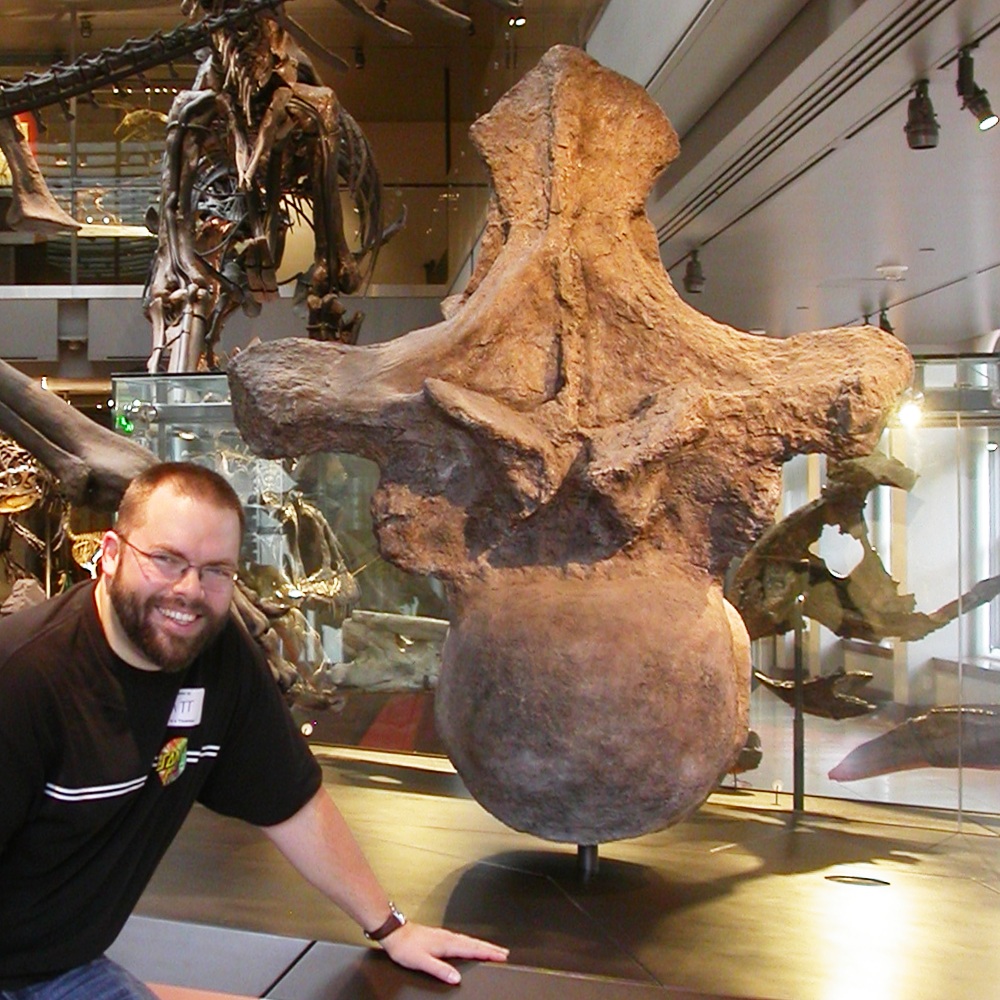
Titanosaurs shared a suite of skeletal features that distinguish them from earlier sauropods. Typical characteristics include relatively small skulls compared with body size, long necks and tails, robust pillar-like limbs and a tendency in many taxa toward a broad-gauge stance. Their vertebrae often show extensive pneumatic (air-filled) spaces, which lightened the skeleton and are interpreted as part of an efficient respiratory system similar in principle to that of birds.
- Skull and teeth: Many titanosaurs had small heads with peg-like or spatulate teeth adapted for cropping vegetation rather than intensive chewing.
- Axial skeleton: Complex vertebral internal structure reduced weight while maintaining strength; tail and hip bones show derived shapes in several lineages.
- Limbs and posture: Limbs were strong and columnar, supporting very large body masses; some groups left wider trackways than contemporaneous sauropods.
- Dermal armor: Osteoderms (bony plates in the skin) are known in some genera such as Saltasaurus, a feature rare among sauropods and possibly used for protection or mineral storage.
Size extremes and notable species
Size among titanosaurs ranged from relatively modest proportions to the largest land animals known. Several Patagonian discoveries are among the best-known giant examples, but size estimates for these taxa are often based on incomplete remains and therefore remain under active study. Some species are estimated to have reached lengths exceeding 30 metres and masses of many tens of tonnes; other titanosaurs were much smaller and more lightly built.
- Argentinosaurus — known from fragmentary remains and often discussed among the largest sauropods based on extrapolation.
- Puertasaurus — another very large Patagonian titanosaur represented by massive bones.
- Saltasaurus — a smaller, armored titanosaur that provides important evidence about osteoderms and life appearance.
- Aegyptosaurus — an African form that illustrates the wide geographic spread and morphological variety of the group.
Fossil record and discovery history
Titanosaur fossils have been collected since the 19th century, but many key discoveries and refinements to their classification have occurred in the late 20th and early 21st centuries as more complete skeletons and advanced methods of analysis became available. Remains range from isolated bones and trackways to partial skeletons and nesting grounds. Because the largest species are often known from partial material, reconstructing their full anatomy and accurate body-mass estimates remains a challenge for paleontologists.
Distribution, evolution and ecological role
By the mid to Late Cretaceous titanosaurs had diversified across Gondwana and Laurasia, with fossil occurrences reported from South America, Africa, Asia, Europe, North America and Antarctica. They rose to ecological prominence as dominant large herbivores in many regions, replacing or succeeding earlier sauropod groups such as the diplodocids and some brachiosaurids during faunal turnovers that occurred from the Upper Jurassic through the mid-Cretaceous in different areas. Their success has been linked to a combination of feeding strategies, respiratory adaptations, and locomotor and skeletal features that allowed wide variation in body size and niche occupation.
Reproduction, growth and behavior
Titanosaurs are important to studies of dinosaur reproduction because nesting sites attributed to titanosaur-like sauropods show evidence of communal nesting and patterns of egg laying. Histological studies of fossil bone reveal growth rates and ontogenetic stages, indicating that titanosaurs, like other dinosaurs, grew rapidly during early life and reached very large sizes as adults. Trackways provide information on gait and herd behavior, with some sites suggesting group movement or age-segregated herding.
Paleoecology and extinction
As dominant herbivores, titanosaurs interacted with contemporaneous plant communities and predators. Their presence influenced vegetation structure and likely had cascading effects on Late Cretaceous ecosystems. Titanosaurs persisted until the end-Cretaceous mass extinction, which concluded the Mesozoic era and led to the disappearance of all non-avian dinosaurs. Their long temporal range and global distribution make them a focal group for understanding macroevolutionary patterns in the Cretaceous.
Research methods and open questions
Paleontologists use comparative anatomy, bone histology, biomechanical modelling and trace fossil analysis to investigate titanosaur biology. Open questions include precise body-mass estimates for the largest species, the functional role of osteoderms, detailed migratory or dispersal routes that explain their wide distribution, and finer points of their internal taxonomy. Historical and cultural aspects of naming are also of interest; for example, many names reflect local geology, collectors, or mythological references such as mythological figures like the Titans of Ancient Greece.
For further comparative context, readers may consult resources on large terrestrial herbivores and the evolutionary history of other sauropod groups. Continued fieldwork and new analytical techniques promise to refine our understanding of titanosaurs and their place in Cretaceous ecosystems.
Questions and answers
Q: What were titanosaurs?
A: Titanosaurs were a group of large sauropod dinosaurs that were some of the heaviest creatures ever to walk the earth.
Q: What clade do titanosaurs belong to?
A: Together with the brachiosaurs and relatives they make up the larger clade Titanosauriformes.
Q: Can you name a few titanosaurs?
A: Titanosaurs included Saltasaurus, Isisaurus, Argentinosaurus and Paralititan, as well as Patagotitan, Argentinosaurus, and Puertasaurus, which are the largest land animals known to have existed.
Q: Why were they named after the Titans of Ancient Greece?
A: They were named after the mythological Titans of Ancient Greece, Abdarainurus and Aegyptosaurus.
Q: Were titanosaurs the last group of sauropods before the Cretaceous-Paleogene extinction event?
A: Yes, the titanosaurs were the last great group of sauropods before the Cretaceous–Paleogene extinction event.
Q: What was the dominant herbivore of their time?
A: The titanosaurs were the dominant herbivores of their time.
Q: Did titanosaurs replace other sauropods?
A: Yes, the fossil evidence suggests they replaced the other sauropods, like the diplodocids and the brachiosaurids, which died out between the Upper Jurassic and the mid-Cretaceous.
Related articles
Author
AlegsaOnline.com Titanosaur: giant sauropod dinosaurs of the Cretaceous Leandro Alegsa
URL: https://en.alegsaonline.com/art/100124
Sources
- bbc.co.uk : Giant dinosaur slims down a bit. BBC News Science & Environment
- ncbi.nlm.nih.gov : "A new giant titanosaur sheds light on body mass evolution among sauropod dinosaurs"
- doi.org : 10.1098/rspb.2017.1219
- pubmed.ncbi.nlm.nih.gov : 28794222
- physorg.com : "Italians report major dinosaur discovery"
- theaustralian.news.com.au : "Bones reveal Queensland's prehistoric titans"
- nzherald.co.nz : "Bone discovery confirms big dinosaur roamed NZ"
- bbc.co.uk : bbc.co.uk/news/science-environment-27441156
- dailymail.co.uk : dailymail.co.uk/sciencetech/article-3395938/An-epic-tail-Sir-David-Attenborough-follows-s…
- bbc.co.uk : bbc.co.uk/programmes/p03dwy5z
- sciencemag.org : Dinosaur coprolites and the early evolution of grasses and grazers
- plosone.org : plosone.org/article/info:doi/10.1371/journal.pone.0010362