
Beibeilong — a large oviraptorosaur from China
Beibeilong is an extinct genus of large oviraptorosaur (caenagnathid) from Cretaceous China, known from an embryo in a nest and named B. sinensis in 2017. It links giant eggs and nests to large caenagnathids.
Overview
Beibeilong is an extinct genus of oviraptorosaurian dinosaur represented by a single species, Beibeilong sinensis. The animal is best known from an embryonic skeleton preserved within a large egg and an associated nest, a specimen that provided rare direct evidence of reproductive biology in very large oviraptorosaurs. The name Beibeilong, literally "baby dragon," reflects the juvenile nature of the holotype and its Chinese origin.
Image gallery
10 Images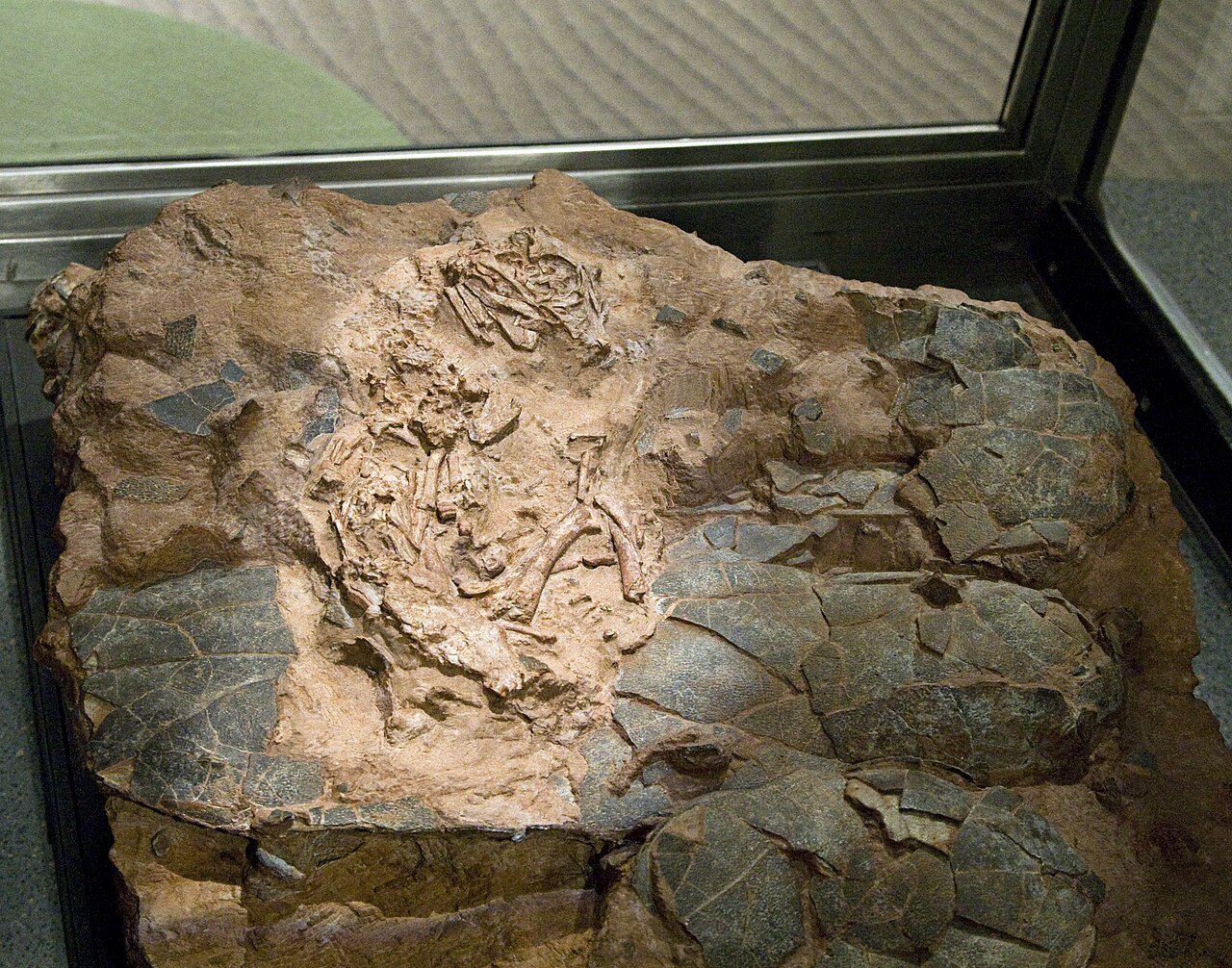




Discovery and naming
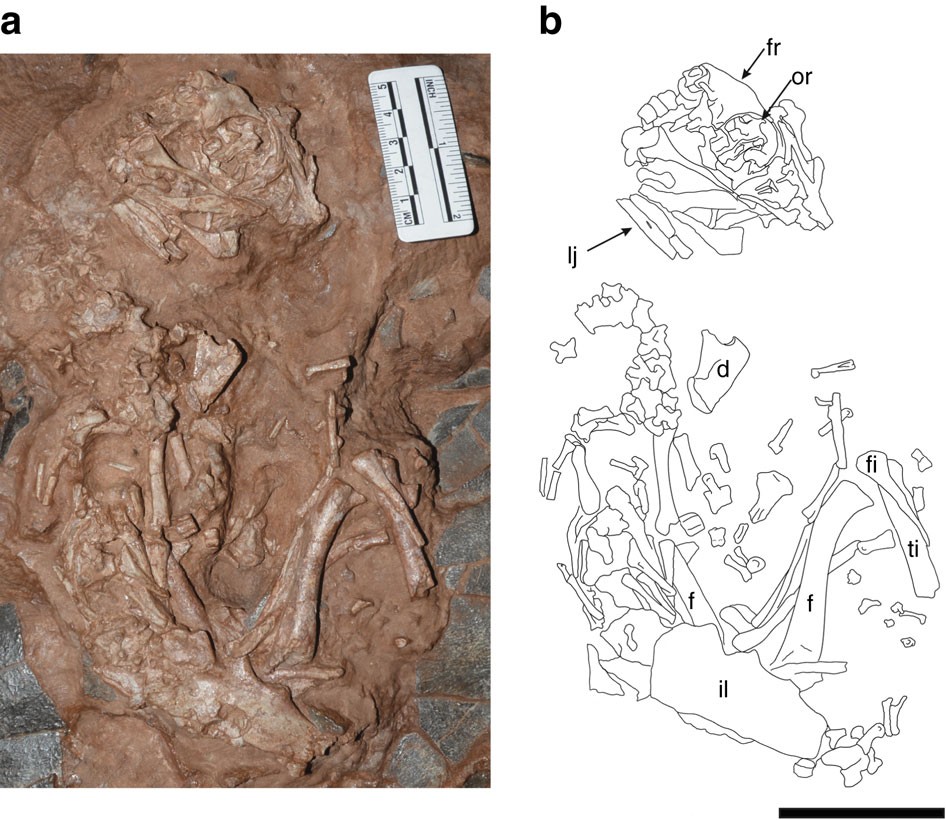
The specimen that led to the naming of Beibeilong was discovered in the 1990s and later studied and formally described in 2017. The fossil — often referred to by the informal nickname "Baby Louie" in public accounts — consists of an embryo preserved within an elongate egg and a partial clutch. Researchers recognized distinctive skeletal features in the embryo that justified establishing a new genus and species, and the formal description linked the embryonic remains to a group of large oviraptor-like theropods.
Physical characteristics
Because the holotype is an embryo, direct information about the adult anatomy of Beibeilong is limited. Nevertheless, skeletal proportions and comparisons with related taxa indicate that adults were much larger than most oviraptorosaurs. The embryo shows the characteristic beak-like jaws and other skull traits typical of oviraptorosaurs. Overall, Beibeilong is interpreted as a member of the caenagnathid lineage — a clade of often large, toothless theropods with specialized skulls and limbs.
Eggs, nest and behavior
The discovery is important chiefly because it preserves a large egg and part of a nest in association with an embryo. The eggs are elongate and correspond to the kind attributed to giant oviraptorosaur eggs; the nest shows arrangements and clutch structure comparable to other oviraptorosaur nesting sites. These finds support the idea that at least some large caenagnathids laid numerous elongated eggs arranged in clutches and may have engaged in brooding or other forms of parental care.
Classification and relationships
Beibeilong has been placed among oviraptorosaurs and more specifically within or near the caenagnathid group. Anatomical comparisons suggest affinities with other large-bodied oviraptorosaurs; in size and some proportions it has been compared to Gigantoraptor. The embryo helps bridge the gap between large egg types known from the fossil record and the kinds of dinosaurs that produced them, strengthening links between giant elongate eggs and caenagnathid oviraptorosaurs.
Significance and notable facts
- Beibeilong is the only species in its genus and is known primarily from an embryo associated with eggs.
- Its naming in 2017 clarified the producer of several large elongate eggs previously known only from isolated eggshells.
- The specimen illustrates how embryonic anatomy can inform classification and paleobiology, connecting eggs and nesting patterns to adult dinosaur groups.
For further context on oviraptorosaur anatomy and reproduction see research on oviraptor-like theropods and large caenagnathids; additional comparative material is available in studies of oviraptor-like dinosaurs. The Beibeilong discovery remains a key piece of evidence for understanding reproduction, growth and diversity among large Cretaceous theropods.
Tags
Related articles
Author
AlegsaOnline.com Beibeilong — a large oviraptorosaur from China Leandro Alegsa
URL: https://en.alegsaonline.com/art/10145