
Jhelum (city in Punjab, Pakistan)
Riverside city in northern Punjab, Pakistan, known for its military tradition, proximity to the Salt Range, historic sites such as Rohtas Fort and the Khewra Salt Mine, and a long-settled riverine landscape.
Jhelum is a city on the right (western) bank of the Jhelum River, in the north of Pakistan's Punjab province. Local names are recorded in regional languages and scripts; see Urdu and Punjabi forms. The river that gives the city its name, the Jhelum River, has shaped settlement, transport and strategic importance in the region for many centuries.
Image gallery
10 Images
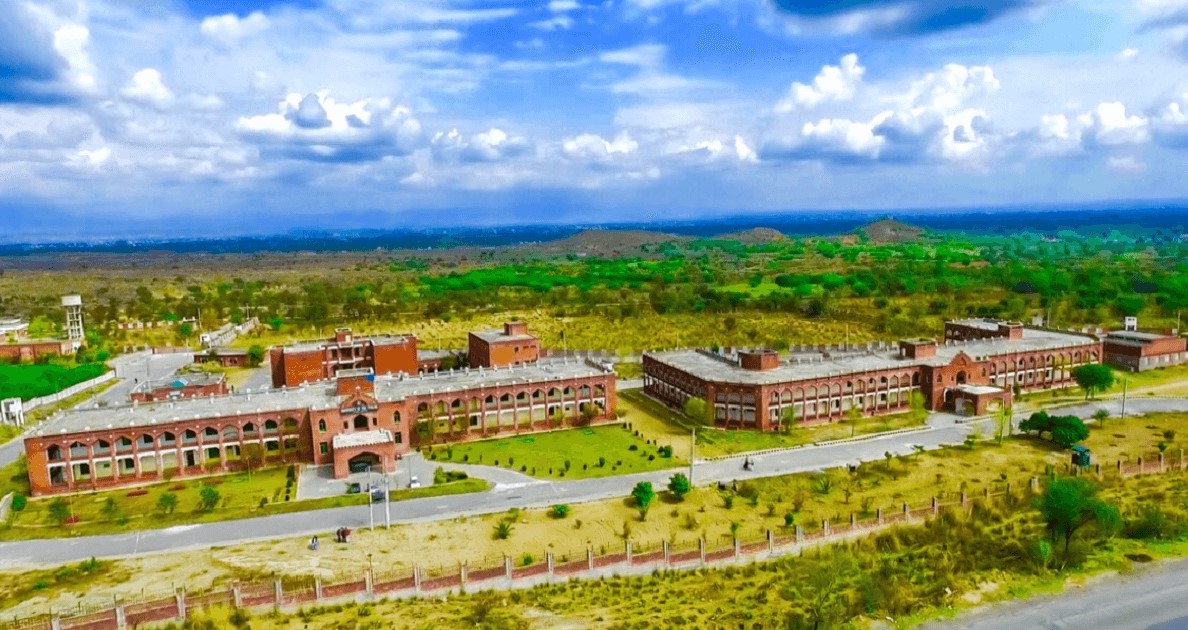


Location and geography
Administratively the city is the chief urban centre of Jhelum District in Punjab. It lies close to the Salt Range, a band of low hills and escarpments notable for rock salt deposits, caves and distinct geology. The surrounding district includes agricultural plains, interspersed with small towns and geological sites; the river valley supports irrigation, local fisheries and riverside communities.
History and heritage
The Jhelum area has a long and layered history. Classical sources and later regional chronicles note activity along the river: the region is associated with the ancient encounter known as the Battle of the Hydaspes, and through medieval and early modern times it saw rule by various regional powers, Mughal influence and Sikh administration before coming under British colonial rule. Surviving monuments, ruins, forts and historic road alignments attest to this complex past.
Military tradition and society
Jhelum has a widely recognised tradition of military service. During the colonial period many recruits from the district served in the British Indian Army; after independence a continuing contribution to the Pakistan armed forces has shaped local identity. The city is often described in local usage as a place with strong regimental links and a distinctive social fabric influenced by service in uniform.
Economy, transport and services
The local economy blends agriculture, trade, services and small-scale industry. Road and rail connections link Jhelum with larger regional centres; public services, educational institutions and healthcare facilities serve the city and surrounding district. Transport networks support markets, commuting and movement of agricultural produce.
Tourism and notable sites
- Rohtas Fort — a large historic fortification in the district, of interest to visitors and scholars for its architecture and history.
- Khewra Salt Mine — a major salt deposit in the Salt Range, visited for its geological interest and guided tours.
- The riverside setting and nearby hills, which offer local scenic and cultural points of interest.
Local culture reflects Punjabi language varieties, regional customs and the influence of military and administrative institutions. For detailed studies of the district’s archaeology, colonial-era recruitment and the Salt Range geology, consult specialised sources and regional surveys linked above.
Related articles
Author
AlegsaOnline.com Jhelum (city in Punjab, Pakistan) Leandro Alegsa
URL: https://en.alegsaonline.com/art/50156
Sources
- fallingrain.com : "Location of Jhelum – Falling Rain Genomics"
- weatherbase.com : "Weatherbase: Historical Weather for Jhelum, Pakistan"
- spdc.org.pk : "TRENDS IN REGIONAL HUMAN DEVELOPMENT INDICES: Table 2" · web.archive.org
- globalsecurity.org : Globalsecurity - Dominated Recruitment