
Guru Nanak Dev: Founder of Sikhism and His Teachings
Biography and significance of Guru Nanak Dev (1469–1539), founder of Sikhism, his core teachings, travels, institutions he inspired, and his continuing influence across communities.
Overview
Guru Nanak Dev (traditionally 15 April 1469 – 22 September 1539) is recognized as the founder of Sikhism and is venerated as the first of the ten Sikh Gurus. The title "Guru" means teacher or spiritual guide. Born to Mehta Kalu and Mata Tripta in the Punjab region, Nanak's life and sayings became the foundation of a distinct religious and social movement in South Asia. He is commonly remembered through hymns and teachings that emphasize a direct relationship with the Divine.
Image gallery
10 Images
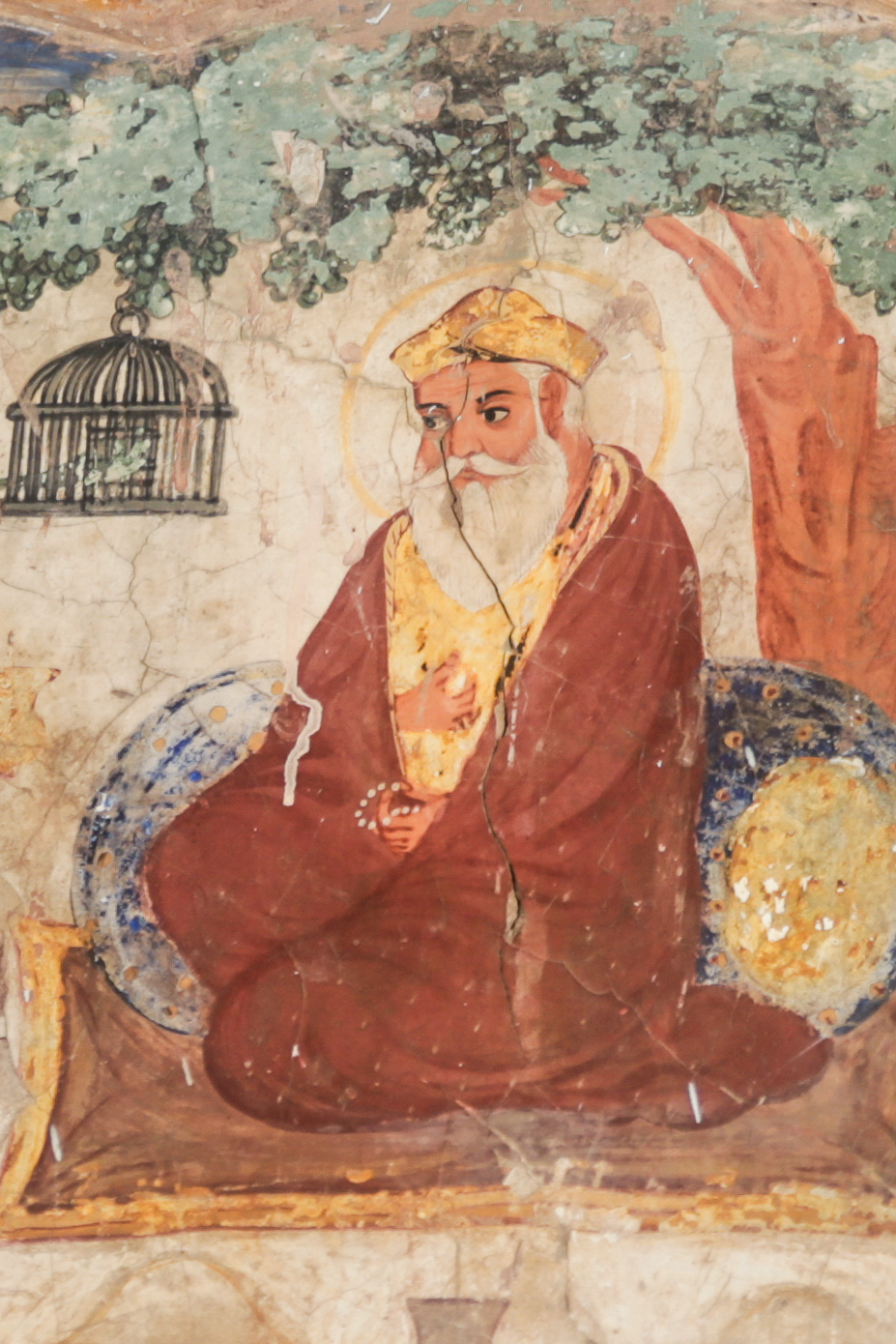


Teachings and practices
Guru Nanak's message centered on devotion to one God and ethical living. His core principles were simple and practical, aimed at transforming both individual consciousness and social relations. Key emphases included:
- Oneness of God: a single, formless Divine that transcends ritual and sect.
- Naam Japna: remembering and meditating on God's name.
- Kirat Karni: honest work and livelihood without exploitation.
- Vand Chakna: sharing resources and helping the community.
- Equality and social justice: opposition to caste discrimination and gender inequality.
- Seva: selfless service and community kitchens (langar).
Life, travels and compositions
According to tradition, Guru Nanak undertook long journeys (called udasis) across South Asia and beyond to spread his teachings, meeting people from many faiths and backgrounds. He settled later at Kartarpur where he established a cooperative community based on spiritual practice and social sharing. Many of his hymns and verses were preserved and later included in the Sikh scripture; among these compositions is the opening prayer known as the Japji Sahib. He appointed a successor to carry forward the community and its teachings, becoming the first in the line of ten Gurus described in Sikh tradition (the ten Sikh Gurus).
Legacy and influence
Guru Nanak's influence extends beyond followers of Sikhism. He is respected by many Hindus in the Punjab region and others across South Asia, and his emphasis on a simple, devotional life resonated with Sufi mystics and followers; his relationship with figures like the Punjabi Sufi saint Sheikh Farid is an example of shared spiritual currents. The institutions and practices he inspired, such as the communal kitchen and the gurdwara as a center of worship and service, remain central to Sikh life. The tenth Guru later formalized the Sikh scripture as the ongoing spiritual authority; today the Guru Granth Sahib is revered as the eternal Guru of the Sikh community.
Notable facts and continuing relevance
Two of Nanak's sons are traditionally named Sri Chand and Lakshmi Das; Sri Chand later founded an ascetic order while the Sikh community followed the line of Gurus. Guru Nanak's hymns are composed in several regional languages and poetic forms, which helped make his teachings accessible across linguistic communities. He is commemorated annually in religious observances and remains a figure of interfaith respect — remembered for promoting equality, communal service, and devotion. For further reading on his life and impact see resources on regional traditions and interfaith contexts (Punjabi traditions, Sufi connections, broader South Asian influence).
Questions and answers
Q: Who is Guru Nanak Dev?
A: Guru Nanak Dev was the creator of Sikhism and the first of the ten Sikh Gurus.
Q: What was the name of Guru Nanak's father and mother?
A: Guru Nanak's father's name was "Mehta kalu" and mother's name was "Mata tripta".
Q: What did the last Guru say about teaching after him?
A: The last Guru said that there would be no more Gurus after him and Sikhs would be taught by the Sikh holy book, which is called Guru Granth Sahib Ji.
Q: What does the word "Guru" mean?
A: The word "Guru" means "teacher".
Q: Who are Guru Nanak's two sons?
A: Guru Nanak's two sons are "Sri Chand" and "Lakshmi Das".
Q: Who considers Guru Nanak holy besides followers of Sikhism?
A: Guru Nanak is considered holy by Punjabi Hindus and Sahajdhari Sindhis across the Indian subcontinent.
Q: What was Guru Nanak Dev's main teaching to the world?
A: Guru Nanak Dev's main teaching to the world was written down to be "devotion of thought and having good actions as the first of our jobs".
Related articles
Author
AlegsaOnline.com Guru Nanak Dev: Founder of Sikhism and His Teachings Leandro Alegsa
URL: https://en.alegsaonline.com/art/41499