
Tibetan fox (Vulpes ferrilata)
Medium-sized fox of the high Tibetan Plateau, noted for a flattened face and specialized diet; occupies cold, open grasslands and is adapted to high altitudes across Tibet, Nepal, China, and Kashmir.
Overview
The Tibetan fox (Vulpes ferrilata) is a canid native to the high-altitude grasslands and steppes of the Tibetan Plateau. It is adapted to cold, open environments and has attracted scientific and public interest for its distinctive appearance and close ecological association with small mammals that dominate its range.
Image gallery
6 Images



Appearance and characteristics
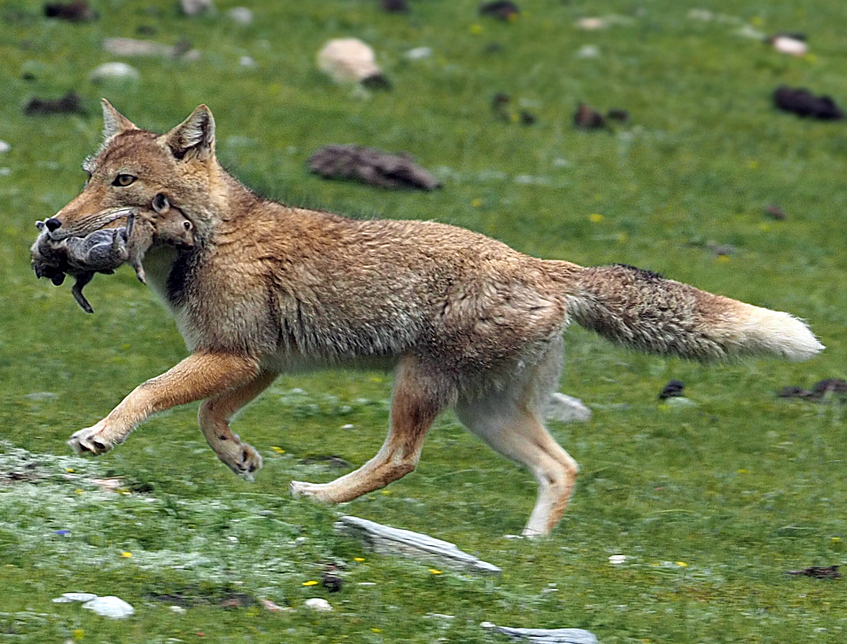
This fox is typically described as having a compact body, thick winter fur and a characteristically flattened or square-looking face. Observers note a bushy tail and relatively short ears compared with many lowland fox species. Coloration tends toward sandy-gray tones that blend with plateau soils and rocks.
- Size and build: medium-sized, sturdy for life at high altitude.
- Fur: dense and insulating, seasonal variation with thicker winter coat.
- Skull and muzzle: a compressed, flattened facial profile that is distinctive among foxes.
Range and habitat
The species is endemic to the Tibetan Plateau, occurring on high-elevation plains and plateaus up to around 5,300 metres. Populations are found across parts of the Tibetan Plateau and adjacent highlands, including areas of Tibet, Nepal, China and parts of Kashmir. It favors open, treeless terrain such as alpine meadows, steppe and semi-desert plateaus that support burrowing small mammals.
Diet and behavior
Tibetan foxes are primarily carnivorous hunters and scavengers. Their diet is strongly linked to the abundance of small mammals—especially pikas and other rodents—that make up the staple food in many areas. They are often active in daylight hours and may hunt by stalking or pouncing close to burrow systems. Opportunistic feeding includes insects, birds, eggs and carrion when available.
Reproduction and social life
Breeding typically occurs with a seasonal rhythm tied to spring and early summer. Pairs or small family groups use dens for rearing young and shelter from weather. Like many foxes, parental care is important during the weeks after birth while pups grow and learn to hunt.
Conservation, threats and importance
At the broad scale the Tibetan fox is not regarded as one of the most imperiled carnivores, but local populations can be affected by changes across the plateau. Threats include habitat alteration, reduction in prey populations (for example from poisoning or overgrazing), direct persecution in some areas, and the longer-term impacts of climate change on alpine ecosystems. The species plays an important ecological role by regulating populations of small mammals and by contributing to nutrient cycles through scavenging.
Notable distinctions
The common names "Tibetan fox" and "Tibetan sand fox" have caused confusion with other arid-region foxes, such as the corsac or "sand fox" of Central Asia. Careful use of the scientific name Vulpes ferrilata clarifies identity and highlights its specialized high-altitude niche.
Related articles
Author
AlegsaOnline.com Tibetan fox (Vulpes ferrilata) Leandro Alegsa
URL: https://en.alegsaonline.com/art/99770