
Thermoregulation
Thermoregulation is an organism's control of internal temperature through physiological and behavioral mechanisms to maintain homeostasis across environments.
Overview
Thermoregulation is the process by which an organism maintains its internal temperature within functional limits despite changes in the surrounding environment. It is a central aspect of homeostasis, supporting cellular function, enzyme activity, and overall survival. Different species use a range of strategies that reflect their physiology, ecology, and evolutionary history.
Image gallery
8 Images





Mechanisms and components
Thermoregulation involves both passive and active measures. Common physiological mechanisms include:
- Insulation (fur, feathers, fat) that reduces heat loss.
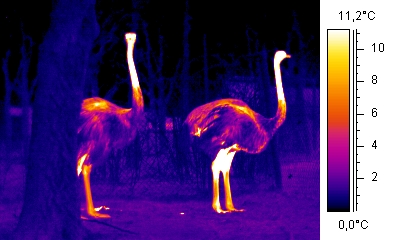
- Circulatory adjustments such as vasodilation and vasoconstriction to change heat exchange with the environment.
- Metabolic heat production, including shivering and non-shivering thermogenesis (e.g., brown adipose tissue in mammals).
- Evaporative cooling through sweating or panting.
- Countercurrent heat exchangers that conserve heat in appendages.
Control and regulation
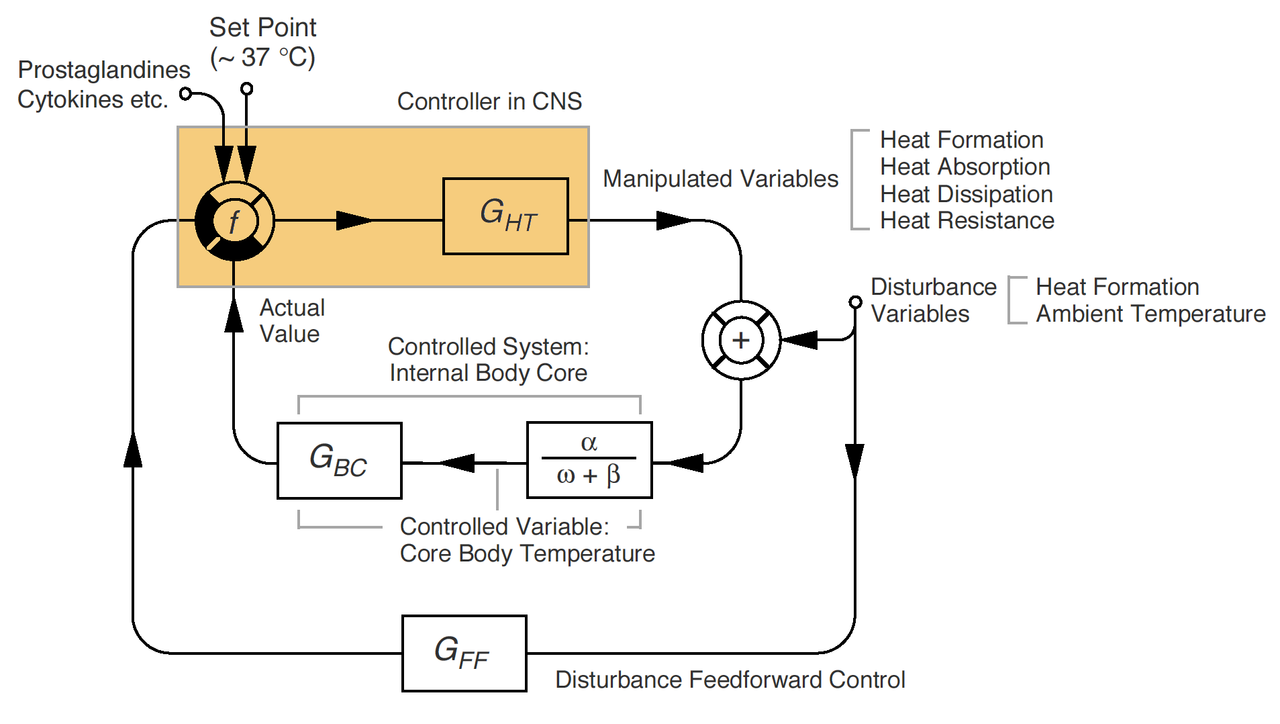
Temperature is monitored and regulated by central and peripheral thermoreceptors; in vertebrates the hypothalamus often acts as a control center. Organisms maintain a set point or preferred range, and when deviation occurs they trigger corrective responses. Fever is an adaptive, regulated increase in set point during infection, whereas hyperthermia arises when heat gain overwhelms regulatory capacity.
Ecology, evolution, and examples
Species differ in thermoregulatory strategy. Endotherms (birds and mammals) generate substantial metabolic heat to keep temperature relatively stable, while ectotherms (most reptiles, amphibians, and fish) rely more on environmental heat and behavioral choices such as basking. Some animals mix strategies: large-bodied fish and certain insects employ partial internal regulation. Behavioral adaptations — seeking shade, sun, burrows, or migration — are widespread and crucial.
Human relevance and distinctions
Human thermoregulation combines physiological responses (sweating, vasodilation/vasoconstriction, shivering) with cultural tools like clothing and climate control. Medical and environmental contexts show its importance: hypothermia, heat stroke, and adaptations to extreme climates are public-health concerns. For further reading on clinical aspects and comparative biology, see resources linked below.
Notable distinctions and topics for study include the energetic costs of endothermy, the role of brown fat in neonates, and evolutionary transitions between thermal strategies. For introductory and advanced material consult general biology texts or specialized reviews here and here.
Related articles
Author
AlegsaOnline.com Thermoregulation Leandro Alegsa
URL: https://en.alegsaonline.com/art/99312