
Beauregard (Ain) — commune in Auvergne‑Rhône‑Alpes, France
Beauregard is a small commune in the Ain department of eastern France, noted for a 19th‑century rebuilt château, a listed church and a historic suspension bridge; inhabitants are called Beauregardiens.
Beauregard is a French commune located in the Auvergne‑Rhône‑Alpes region. Administratively it belongs to the Ain department and sits in the eastern part of France. In the 2009 census the commune recorded 869 inhabitants; the residents are commonly known as Beauregardiens. The village combines rural life with a number of notable historic structures that reflect its development from the medieval period into the 19th century.

Image gallery
5 Images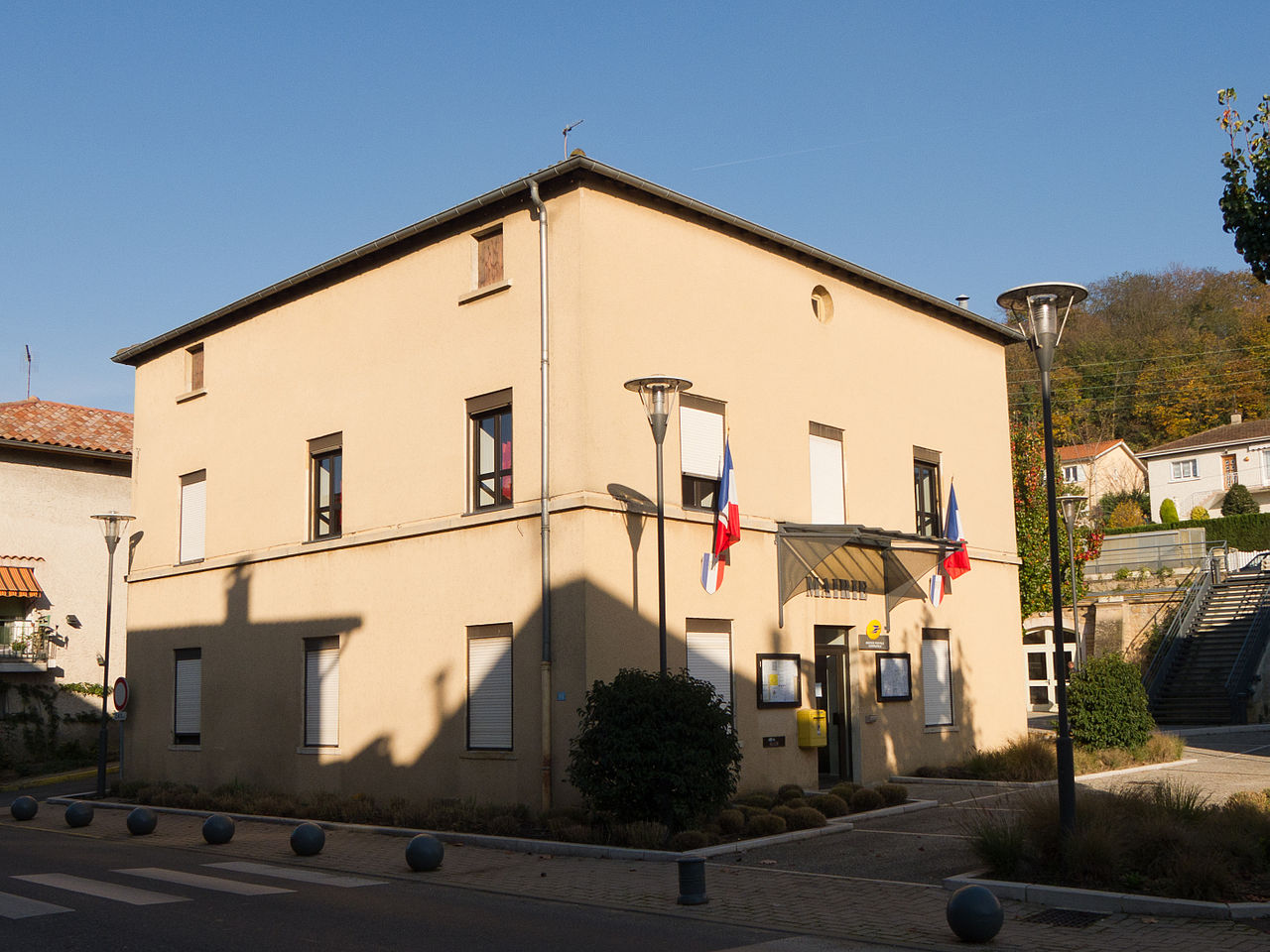


Geography and character
Beauregard occupies a modest area of rolling countryside typical of the lower Jura foothills and the plains that precede the Alps. Local land use mixes small farms, pastures and pockets of woodland; agriculture and small local services form the backbone of the economy. The commune’s scale and setting give it a village character, while roads and nearby towns provide access to larger markets and services. Basic municipal life centers on the church, the château grounds and the historic crossing that marks former local transport routes.
Historic buildings and monuments
The commune is best known for three heritage landmarks. The Château de Beauregard began as a feudal stronghold; much of its present appearance reflects a 19th‑century rebuilding that adapted older ruins into a country residence. The parish Saint‑François‑d’Assise church is notable for its architecture and has been recorded as a protected historic monument. Finally, the 19th‑century Beauregard suspension bridge spans a local watercourse and is also identified among the commune’s listed structures. Visitors often seek out these three sites to understand the village’s layered past.

History and development
The village grew around medieval landholding and the defensive presence of its castle; over centuries the estate and local farms adapted to changing social and economic conditions. The 19th century saw a wave of reconstruction and infrastructural improvement across rural France, which in Beauregard produced the reconstructed château and the suspension bridge that helped improve local communications. The church’s conservation reflects later interest in preserving rural religious architecture. Much of the commune’s modern identity rests on maintaining its heritage while serving a small resident population.
Notable people and cultural notes
Among individuals associated with the commune, Victor Vermorel is frequently mentioned as a writer and political figure active around the turn of the 20th century; his publications on oenology mark one strand of local cultural life and the broader French interest in wine studies. Contemporary Beauregard participates in regional cultural networks and local commemorations that celebrate its architecture and rural traditions.

Visiting and further information
- Administrative details and local governance: commune administration.
- Regional context and tourism information: department resources.
- Heritage listings and preservation notes: historical records and specialist studies.
- Local biographies and political history: notable figures.
- Additional municipal statistics and maps: national data and departmental pages.
- Practical visitor guidance and events: monuments guide and heritage trail.
For more detailed archival material, architectural descriptions or demographic updates consult local records and regional heritage inventories accessible through municipal offices and regional cultural services. The three main historic sites—the château, the church and the suspension bridge—remain the principal reasons many people visit this small but historically rich commune in eastern France.
Related articles
Author
AlegsaOnline.com Beauregard (Ain) — commune in Auvergne‑Rhône‑Alpes, France Leandro Alegsa
URL: https://en.alegsaonline.com/art/9926