
Communes of France
The commune is France's basic local government unit. This article explains what communes are, their administration and functions, historical origins, and recent trends in reform and intercommunal cooperation.
A commune is the smallest unit of local government in France and serves as the official administrative entity for a single town, village or city neighborhood. As a legal unit it is often described as the lowest administrative division and bears responsibility for local services and civic administration. Well-known examples are Paris, Bordeaux and Rennes.
Image gallery
5 Images


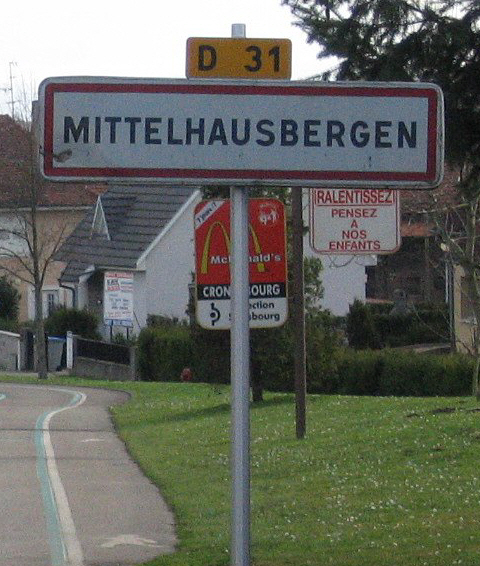
Numbers and distribution
France has many communes compared with other countries. For instance, official records noted that on 1 January 2008 there were 36,781 communes; most are in metropolitan France with a smaller number in overseas territories. This fragmentation is far greater than in most other European countries, producing wide contrasts in area and population between communes.
Governance and officials
Each commune elects a municipal council and, from among its members, a mayor who acts as the executive and represents the state locally. Citizens elect councilors in municipal elections, and the mayor performs both local duties and certain national functions such as civil registration. Smaller places such as a town or village have the same municipal framework as large cities, though the scale and organization differ.
Typical functions
Communes deliver a range of everyday services, often including:
- civil status records (births, marriages, deaths) and local administration;
- primary schools, local roads and land-use planning;
- waste collection, public amenities, and certain social services;
- local policing powers and community safety measures.
Origins and development
The word "commune" dates back to medieval usage derived from Medieval Latin communia, ultimately from Latin communis, meaning shared or common. Historical communes grew out of self-governing towns and rural communities; over centuries the legal status of communes was standardized so that regardless of size they remain the basic unit of local government.
Notable features and trends
Communes vary dramatically: some cover large urban areas while many rural communes have only a few dozen residents. To address administrative fragmentation, France has encouraged cooperative arrangements and voluntary mergers, creating intercommunal structures that pool resources and responsibilities. These reforms aim to retain local identity while improving efficiency and service delivery.
Further reading: basic administrative definitions and historical notes can be found in official summaries and local-government studies that discuss the evolution of the commune and contemporary reforms. For introductory resources see governmental portals and comparative overviews of European local government arrangements here and regional guides here. Additional background and data are available through municipal directories and regional inventories (town and village lists), statistical publications (election results), and historical surveys (metropolitan) or (overseas).
Related articles
Author
AlegsaOnline.com Communes of France Leandro Alegsa
URL: https://en.alegsaonline.com/art/22057
Sources
- insee.fr : "Code officiel géographique - Présentation"
- insee.fr : "Code des collectivités d'outre-mer (COM)"