
Théodore Géricault
French painter (1791–1824) whose dramatic compositions and realism helped launch Romanticism; best known for The Raft of the Medusa and expressive studies of horses, portraits and human suffering.
Overview
Théodore Géricault (26 September 1791 – 26 January 1824) was a French painter whose brief but intense career played a major role in the emergence of Romantic painting in France. He combined vigorous composition, careful anatomical study and a preference for contemporary and emotionally charged subjects. His large-scale canvas The Raft of the Medusa (1818–1819) made him famous and remains a defining work of early 19th-century art for its dramatic depiction of human endurance and its engagement with public opinion and politics.
Image gallery
10 Images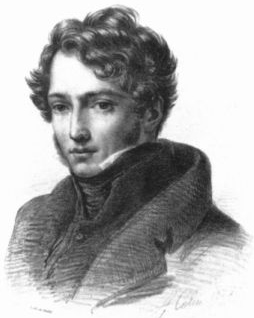


Life and training
Géricault was born in Rouen and showed early aptitude for drawing. He received formative instruction in the sporting and horse-painting tradition under Carle Vernet and later studied academic figure composition with Pierre-Narcisse Guérin. The combination of English sporting vigor and disciplined academic drawing shaped his approach: an interest in movement and animal anatomy together with a commitment to accurate draftsmanship. He began exhibiting at the Paris Salon as a young man and quickly attracted attention.
Major works and themes
Géricault worked across subjects that included military action, equestrian portraiture, portrait studies, and socially concerned historical scenes. Major works and themes include:
- The Raft of the Medusa (1818–1819): a monumental scene of shipwreck survivors that confronted contemporary scandal and evoked widespread public debate; Géricault made extensive preparatory studies from survivors, life models and reports, seeking a truthful depiction of suffering.
- The Charging Chasseur (1812): an early cavalry portrait that shows the influence of Rubens and the sporting painters and helped establish his reputation.
- Portraits and human studies: including a series of portraits of the mentally ill and of veterans, notable for clinical observation, psychological intensity and empathy.
- Equestrian subjects and studies of animals, demonstrating close attention to musculature and movement.
Technique and approach
Géricault emphasized preparatory work: sketches, small studies and life drawing that informed his large canvases. His handling often combines energetic brushwork, sculptural modeling of bodies and stark light-dark contrasts to heighten drama. He also experimented with lithography and produced drawings and prints that circulated independently of his paintings, further spreading his aesthetic influence.
Reception, influence and legacy
Although he died at the age of 32, Géricault influenced contemporaries such as Eugène Delacroix and helped shift French art from Neoclassical restraint toward Romantic expressiveness. Critics and later historians have praised his willingness to address modern events and social realities, and his work is seen as a turning point in 19th-century art. Major museums and catalogues continue to study his oeuvre and the social context of his most famous paintings.
Further reading and resources
For more on Géricault's life and work consult studies of Romanticism, archives and local sources in Rouen, museum and collection entries available through institutional collections, and records of the Paris Salon. These resources provide catalogue information, exhibition histories and scholarly interpretation of his major works.
Related articles
Author
AlegsaOnline.com Théodore Géricault Leandro Alegsa
URL: https://en.alegsaonline.com/art/99242