
Theodore Van Kirk — Navigator of the Enola Gay (1921–2014)
Theodore Van Kirk was the navigator aboard the Enola Gay for the Hiroshima mission in 1945. He served in the United States Army Air Forces and was the last surviving crew member of that flight.
Theodore "Dutch" Van Kirk (February 27, 1921 – July 28, 2014) was an American airman best known as the navigator of the B-29 Superfortress Enola Gay during the mission that dropped the first operational atomic bomb on Hiroshima, Japan, on August 6, 1945. He served in the United States Army Air Forces and held the navigator position on board the aircraft commanded by pilot Paul W. Tibbets.
Image gallery
5 Images


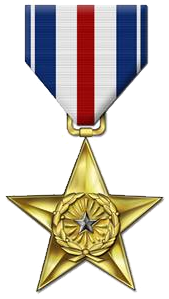
Role and responsibilities
As the crew's navigator, Van Kirk was responsible for charting the Enola Gay's course across the Pacific, calculating position fixes and release coordinates, and helping the crew maintain time, speed and heading under wartime conditions. Navigation on long-range bombing runs relied on preflight planning, celestial and dead-reckoning techniques, and coordination with the aircraft commander and bombardier. The Hiroshima mission culminated in the deployment of the bomb known by its codename "Little Boy."
Military service and unit
Van Kirk flew with the group specially formed and equipped for atomic missions, commonly referred to as the 509th Composite Group. That unit trained for long-range delivery of the new weapon and carried out missions in the final days of World War II. After the war, members of the Enola Gay crew and the 509th remained part of historical discussions about air operations, technology and the decisions that ended the Pacific war.
Later life and public memory
Following his military service Van Kirk returned to civilian life. In the decades after 1945 he took part in interviews, reunions and public events related to the Hiroshima mission and to veterans' history. He became known as the last surviving member of the Enola Gay crew, which brought renewed attention to his role in one of the most consequential missions in modern history. Van Kirk died on July 28, 2014, in Stone Mountain, Georgia, at age 93.
Context and legacy
The Enola Gay mission remains a pivotal and controversial episode. Historians, ethicists and policymakers continue to debate the military, political and humanitarian dimensions of using atomic weapons. Van Kirk's participation places him among the small number of service members directly involved in the introduction of nuclear weapons into warfare. His experience is often cited in broader discussions of wartime decision-making and the human responsibilities of military personnel.
- Aircraft: B-29 Superfortress Enola Gay (Enola Gay)
- Target: Hiroshima, Japan
- Service: Navigator, 509th Composite Group
- Death: Stone Mountain, Georgia, July 28, 2014
For further reading on the aircraft, the 509th Composite Group, and the operational history of the Hiroshima mission, consult reputable historical sources and archives that document World War II air operations and the development of nuclear weapons policy in the mid-20th century.
Questions and answers
Q: Who was Theodore Van Kirk?
A: Theodore Van Kirk was an American military personnel.
Q: What was Theodore Van Kirk's role in the United States Army Air Forces?
A: Theodore Van Kirk was the navigator of the United States Army Air Forces.
Q: What was Theodore Van Kirk best known for?
A: Theodore Van Kirk was best known as the navigator of the Enola Gay when they dropped the first atomic bomb on Hiroshima.
Q: When did Theodore Van Kirk die?
A: Theodore Van Kirk died on July 28, 2014.
Q: How did Theodore Van Kirk die?
A: Theodore Van Kirk died from natural causes.
Q: Where did Theodore Van Kirk die?
A: Theodore Van Kirk died in Stone Mountain, Georgia.
Q: What was the age of Theodore Van Kirk at the time of his death?
A: Theodore Van Kirk was aged 93 at the time of his death.
Related articles
Author
AlegsaOnline.com Theodore Van Kirk — Navigator of the Enola Gay (1921–2014) Leandro Alegsa
URL: https://en.alegsaonline.com/art/99248
Sources
- worldcat.org : 797975707