
Théodore Chassériau
French Romantic painter (1819–1856) celebrated for portraits, historical and religious canvases, and Orientalist works inspired by trips to Algeria; his style blends Ingres's draftsmanship with Delacroix's color and movement.
Overview
Théodore Chassériau (1819–1856) was a French painter whose work spans portraiture, historical and religious subjects, and early Orientalist scenes. He trained in Paris and is remembered for combining a refined linear draftsmanship with vivid color and sensual forms. His career bridged the academic classicism of the early 19th century and the more coloristic Romanticism that followed.
Image gallery
10 Images



Style and characteristics
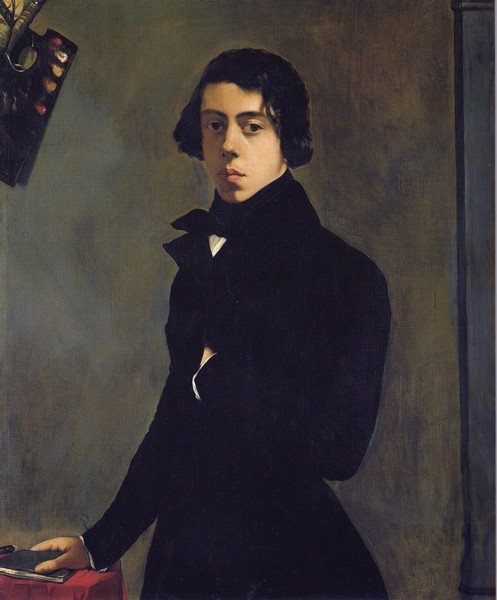
Chassériau's paintings are notable for a graceful, sinuous line, rich tonal harmonies, and dramatic compositions. Critics often describe his method as a synthesis: the precise contours and clarity associated with Jean-Auguste-Dominique Ingres together with a freer, more painterly palette reminiscent of Eugène Delacroix. He produced portraits marked by psychological presence and public commissions such as altarpieces and historical canvases.
Life and development
Born in the Caribbean and raised in France, Chassériau studied in Paris and emerged within the artistic debates of his day. His travels to North Africa supplied new subjects and a vivid interest in local costume, landscape and light that informed several works. Despite a relatively short life, dying in 1856, he left a substantial body of paintings and drawings that show continuous development.
Notable themes and impact
- Portraits and commissioned likenesses that reveal social and cultural detail.
- Religious and historical paintings intended for churches and salons.
- Orientalist compositions inspired by journeys to Algeria and the Mediterranean.
For further reading on his life and catalogues of his works see biographical sources, surveys of Romantic art, collections of 19th-century portraiture, and studies of his North African subjects.
Distinctive facts: Chassériau is often remembered for the hybrid quality of his art—melding line and color—and for the dramatic presence of his figures. His premature death curtailed a career that might otherwise have further shaped mid‑century French painting.
Related articles
Author
AlegsaOnline.com Théodore Chassériau Leandro Alegsa
URL: https://en.alegsaonline.com/art/99241