
The Very Hungry Caterpillar
Classic illustrated children's picture book by Eric Carle about a caterpillar's eating journey and metamorphosis; known for collage art, die-cut pages, and wide educational and cultural impact.
Overview
The Very Hungry Caterpillar is a brief, illustrated picture book first published in 1969 that tells the simple story of a caterpillar that eats its way through a variety of foods before pupating and emerging as a butterfly. Written and illustrated by the American artist and author Eric Carle, it uses spare text and bold visual design to appeal to very young readers and to support read-aloud sharing between adults and children.
Image gallery
3 Images
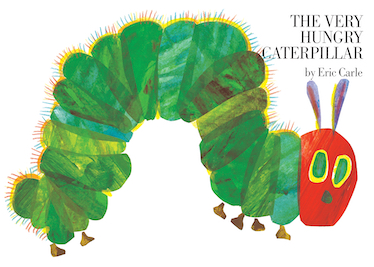

Design and characteristics
The book is notable for its distinctive collage illustrations made from hand-painted papers cut and layered into textured images. It also includes playful structural elements: many pages are die-cut with holes that represent the foods the caterpillar eats, creating a tactile, interactive experience. The narrative repeats and escalates, making it a natural tool for teaching counting and sequence. Days of the week and simple food names also figure into the book’s instructional design.
History and reception
Eric Carle created the idea after experimenting with paper and punch shapes; a hole puncher reportedly inspired the book’s iconic page holes. Since its debut it has become Carle’s best-known work. The book received early critical praise — The New York Times selected it among the "Ten Best Picture Books of the Year" in 1969 — and it has been translated into more than fifty languages and sold millions of copies worldwide.
Educational uses and cultural impact
Teachers and parents often use the book to introduce counting, the days of the week, basic nutrition vocabulary and the life cycle of insects. Its combination of visual repetition and physical interaction supports emergent literacy and fine motor engagement. The title has entered global popular culture: in 2009 Google celebrated the book’s 40th anniversary with a themed homepage doodle, and the story frequently appears on recommended reading lists for young children.
Adaptations and notable facts
- Adaptations include short animated films, stage adaptations and interactive digital versions, extending its reach beyond the printed page.
- The book is often cited for its sales and translation figures — a testament to its cross-cultural appeal — and remains a staple of early-childhood collections.
- Carle’s work as a whole emphasizes collage techniques and bright palettes; this title is widely regarded as representative of his style and influence in picture-book illustration.
Readers interested in learning more about the author and his methods can consult biographies and collections of his art; the book’s enduring popularity lies in its combination of simple storytelling, memorable imagery and hands-on page design that invites young readers to explore and return to the story again and again. Additional contextual information is available from resources about children’s literature and illustration practice; authoritative overviews and library catalogs provide publication history and translations for further study. For background on the author and primary sources, see entries about the American picture-book tradition and the author himself as an author and illustrator.
Related articles
Author
AlegsaOnline.com The Very Hungry Caterpillar Leandro Alegsa
URL: https://en.alegsaonline.com/art/99047
Sources
- telegraph.co.uk : "Google celebrates Eric Carle's Very Hungry Caterpillar"
- google.com : google.com