
The Walking Dead (comics)
A long-running monthly comic series by Robert Kirkman that follows Rick Grimes and other survivors after a zombie outbreak, known for its bleak realism, character focus, and influence on modern zombie fiction.
Overview
The Walking Dead is a serialized comic-book series that chronicles the experiences of Rick Grimes, his family and a rotating group of survivors in the aftermath of a global zombie outbreak. The story emphasizes survival, moral ambiguity and how social order reforms under extreme stress. Rather than focusing solely on monsters, the narrative examines human relationships, leadership, and the costs of rebuilding community.
Image gallery
3 Images
Publication and creators
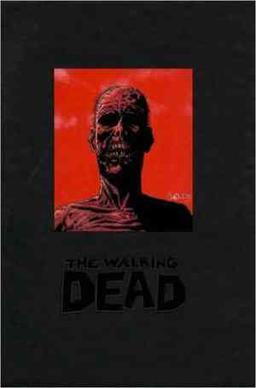
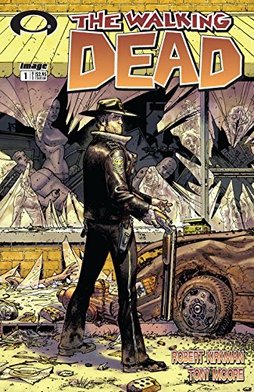
The series was first published in the early 2000s by Image Comics and was created by writer Robert Kirkman together with artist Tony Moore. After the initial issues, artist Charlie Adlard took over the interior art, while Moore continued to provide some cover work for a period. The comic was issued on a roughly monthly schedule and later collected into trade paperbacks and larger compendia that made it accessible to new readers.
Format, style and themes
The work is typically rendered in black-and-white artwork and favors a grounded, often bleak visual tone. Its storytelling is long-form and character-driven: arcs unfold over many issues and focus on shifting alliances, moral dilemmas and the changing psychology of survivors. Recurring themes include leadership under pressure, the meaning of civilization, the nature of violence, and the consequences of hope and despair in an altered world.
Characters and notable elements
- Rick Grimes — the central protagonist whose choices shape much of the series.
- Supporting survivors — a varied ensemble whose loyalties and roles evolve over time.
- Communities and antagonists — groups that illustrate competing visions of order and survival.
History, reception and adaptations
The comic earned broad recognition within the comics community and mainstream audiences, including industry awards for its ongoing storytelling. It inspired a major television series produced for AMC that brought the property to global prominence. The original comic run concluded after many years, and its impact extended through licensed merchandise, spin-offs in other media, and academic discussion of modern apocalyptic fiction.
Translations and global reach
The series has been translated into many languages, increasing its international readership. Editions are available in multiple markets, including versions in other languages such as Portuguese and Spanish. These translations helped the narrative influence worldwide portrayals of zombies and post-apocalyptic storytelling.
Legacy and distinctions
The comic is often distinguished from its television adaptation by its tone and plotting: while both share core characters and situations, the source material is recognized for its compressed pacing, darker resolution of certain arcs, and a creator-controlled narrative through its complete run. Its success demonstrated how a serialized black-and-white comic could reach mass audiences and shape popular perceptions of the zombie genre.
Questions and answers
Q: What is The Walking Dead?
A: The Walking Dead is a monthly comic book series that tells the story of Rick Grimes, his family, and other survivors of a zombie apocalypse.
Q: Who created The Walking Dead?
A: The Walking Dead was created by writer Robert Kirkman and artist Tony Moore.
Q: When was it first published?
A: It was first published in 2003 by Image Comics.
Q: Who took over from Tony Moore as artist from issue #7 onwards?
A: Charlie Adlard took over from Tony Moore as artist from issue #7 onwards.
Q: What award did The Walking Dead win in 2010?
A: In 2010, The Walking Dead won the Eisner Award for "Best Continuing Series" at San Diego Comic-Con International.
Q: Was there a television series based on the comic book series?
A: Yes, a television series called The Walking Dead was created based on the comic book series and first broadcast on AMC in 2010.
Q: Has the comic been translated into other languages?
A: Yes, it has been translated into languages such as Portuguese and Spanish.
Related articles
Author
AlegsaOnline.com The Walking Dead (comics) Leandro Alegsa
URL: https://en.alegsaonline.com/art/99065
Sources
- comicbookresources.com : WEEK OF THE DEAD I: Robert Kirkman
- comicbookresources.com : WEEK OF THE DEAD II: Charlie Adlard
- tonymooreillustration.com : Tony Moore's The Walking Dead Cover Art Gallery
- comicbookdb.com : The Walking Dead #1
- comicbookdb.com : The Walking Dead #2
- comicbookdb.com : The Walking Dead #6
- comicbookdb.com : The Walking Dead #9
- comicbookdb.com : The Walking Dead #11
- comicbookdb.com : The Walking Dead #16
- comicbookdb.com : The Walking Dead #19
- comicbookdb.com : The Walking Dead #27
- comicbookdb.com : The Walking Dead #28
- comicbookdb.com : The Walking Dead #33
- comicbookdb.com : The Walking Dead #39
- comicbookdb.com : The Walking Dead #37