
The Waste Land — T. S. Eliot’s landmark modernist poem
An accessible overview of T. S. Eliot’s The Waste Land: structure, themes, publication history, language and sources, critical reception and lasting cultural significance.
The Waste Land is a long, fragmented poem by T. S. Eliot first published in 1922 that quickly became a central work of literary modernism. Its shifting voices, dense allusions and abrupt changes of scene produce a collage of urban desolation and spiritual hunger in the aftermath of the First World War. Eliot drew on a wide range of cultural material — classical literature, European poetry, religious texts and languages — to map the poet’s sense of cultural exhaustion and the search for renewal.
Image gallery
6 Images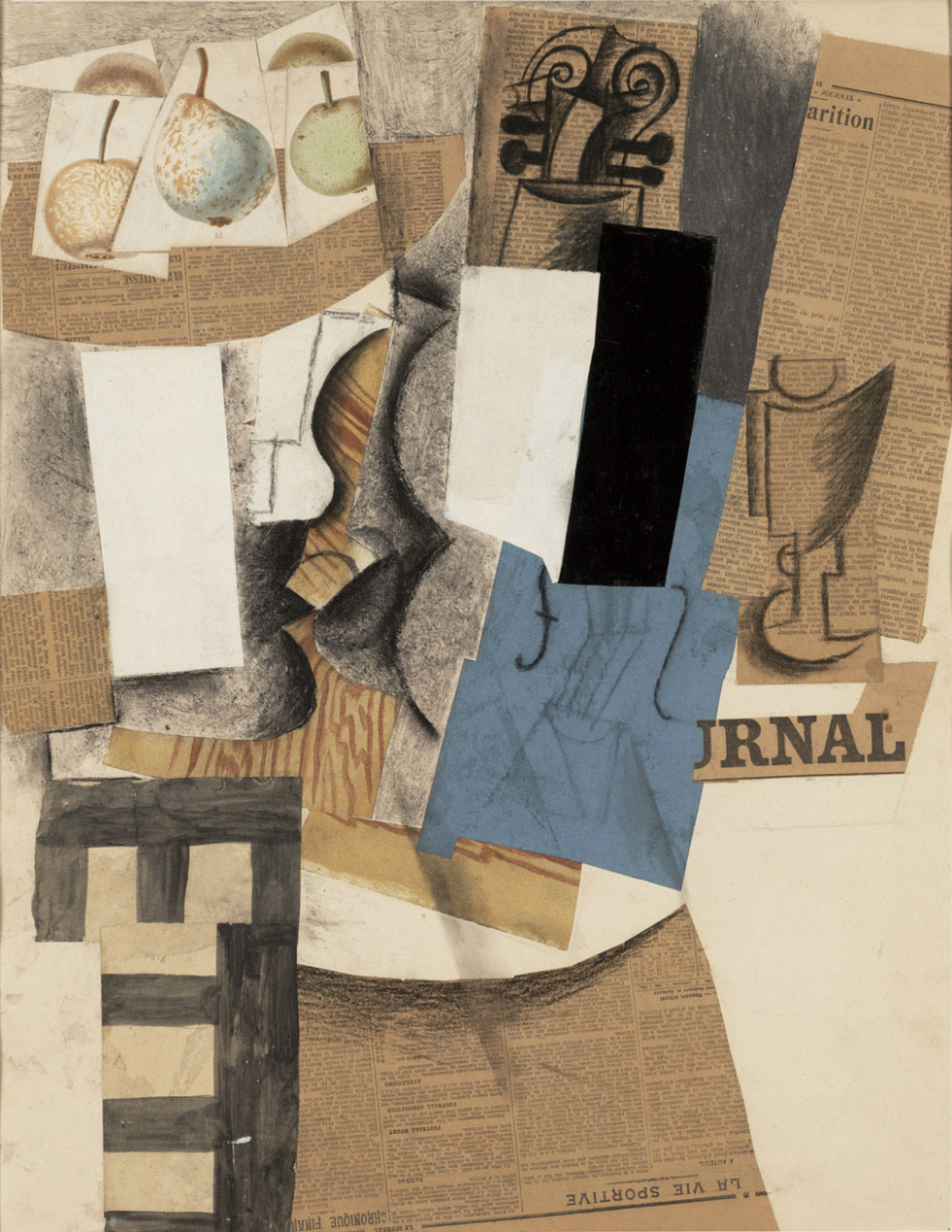


Form and structure
The poem is divided into five linked sections: The Burial of the Dead, A Game of Chess, The Fire Sermon, Death by Water and What the Thunder Said. Its lines move between free verse and more regular cadences associated with blank verse, and the narrative voice repeatedly slips among speakers and dramatic fragments. Eliot clusters quotations, memories and mythic echoes rather than presenting a single continuous story; this modernist technique places the poem at the crossroads of lyric, drama and montage.
Sources, languages and allusion
Eliot packed the work with references to earlier literature and religious traditions. He alludes to writers such as Geoffrey Chaucer, William Shakespeare, Oliver Goldsmith and Charles Baudelaire, and draws on classical and continental sources as well as Eastern scriptures. The poem quotes and translates phrases in multiple tongues and ends with three words from a Sanskrit tradition rendered as an injunction for action: Datta. Dayadhvam. Damyata. It also incorporates formal ideas from free verse and passages resembling blank verse, producing a varied prosody that supports its collage-like logic.
Composition, editing and publication
Eliot dedicated the poem to his friend and mentor Ezra Pound, who played a notable role as reader and editor during its preparation. Pound advised substantial revision and pruning that made the final text more concentrated. The poem first appeared in literary magazines in London and New York and then as a book in 1922, where its elliptical style and dense notes prompted immediate discussion among readers and critics.
Themes and interpretation
Major themes include spiritual sterility, cultural fragmentation, the aftermath of war, and the difficulty of personal and communal renewal. Eliot arranged mythic material — especially motifs associated with quests and rituals for restoration — alongside contemporary, often urban, episodes to suggest parallels between ancient collapse and modern malaise. The poem’s shifts between ironic, comic and liturgical tones make it resistant to a single, unified reading; instead, it invites interpretation across religious, historical and psychological lines.
Reception, translation and legacy
On publication, the poem was hailed by many as a landmark of 20th‑century poetry and also provoked controversy for its obscurity and abrupt juxtapositions. Critics and scholars have written extensively about its mythic method, its modernist techniques and its cultural pessimism. It has been translated into numerous languages; notable translations include those by poets who later received major honors such as the Nobel Prize. The poem remains widely taught and studied, and its lines and images continue to be referenced across literature, music and the visual arts.
Notable facts and study aids
- The work’s five parts can be read as interlocking scenes rather than chapters in a linear plot.
- Eliot appended brief notes to the poem to signal his sources and to complicate straightforward interpretation.
- Scholars emphasize the interplay of Eastern and Western religious images, such as the Buddhist idea in The Fire Sermon, alongside Christian and classical motifs.
- Readers often consult annotated editions and critical guides to navigate the poem’s many allusions; digital and print commentaries remain common tools for study (sources on dramatic intertextuality).
Because of its dense layering of languages, sources and voices, The Waste Land invites repeated reading: each pass through the poem can reveal new connections between its fragments and the cultural concerns it diagnoses. For those beginning study, editions that supply notes and cross-references to the poem’s many echoes can be especially helpful (literary backgrounds, translation notes, dramatic parallels, medieval antecedents, metrical observations, prosodic guides, editorial histories, religious contexts, critical honors, intertextual studies).
Questions and answers
Q: Who wrote "The Waste Land"?
A: T.S. Eliot wrote "The Waste Land".
Q: When was the poem first published?
A: The poem was first published in 1922.
Q: Who was the first reader of the poem?
A: Ezra Pound was the first reader of the poem and he helped Eliot to make it shorter and better.
Q: How many parts does the poem have?
A: The poem is divided into five parts; The Burial of the Dead, A Game of Chess, The Fire Sermon, Death by Water and What the Thunder Said.
Q: How many lines are in "The Waste Land"?
A: There are 433 lines in "The Waste Land".
Q: What type of verse is used in this work?
A: The work is written in free verse and blank verse.
Q: Which authors did Eliot draw inspiration from for his work?
A: Eliot makes allusions to Geoffrey Chaucer, William Shakespeare, Oliver Goldsmith, Ovid, Charles Baudelaire, Gerard de Nerval and Thomas Kyd for his work. He also uses different sources of inspiration including both Christianity and Buddhism.
Related articles
Author
AlegsaOnline.com The Waste Land — T. S. Eliot’s landmark modernist poem Leandro Alegsa
URL: https://en.alegsaonline.com/art/99083
Sources
- ia800709.us.archive.org : The Waste Land by T.S. Eliot, Horace Liveright, New York 1930.