
The Saturday Evening Post
Overview of the American magazine The Saturday Evening Post, its origins, notable contributors and cultural impact, including Norman Rockwell covers and early publication of The Call of the Wild.
The Saturday Evening Post is a long-running American periodical known for its mix of fiction, essays, poetry, humor and illustrative art. Traditionally issued on a weekly schedule during much of its history, the magazine became an important fixture in U.S. popular culture and media. For a general reference, see the magazine entry here.
Image gallery
8 Images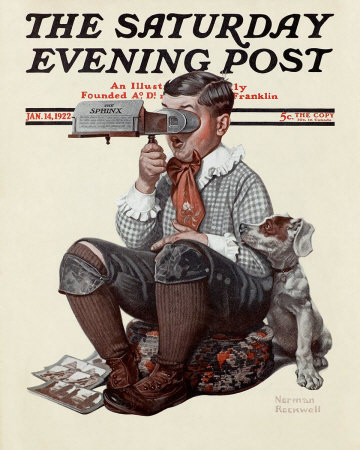




Origins and early development
The Post traces its lineage back to earlier colonial publications and, by some accounts, to the press established by Benjamin Franklin. It has historical links to The Pennsylvania Gazette, although the modern magazine title first appeared in the late 19th century and began regular publication in 1897. Over time it evolved from a house-organ and regional paper into a national magazine with broad readership.
Content, contributors and iconic features
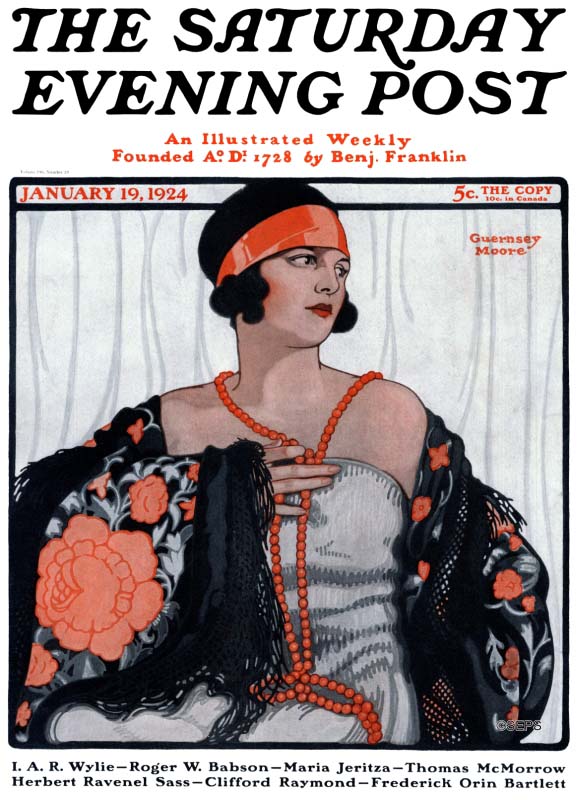
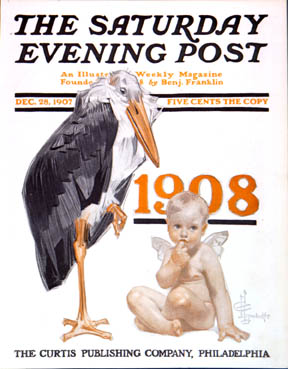
Throughout the 20th century the magazine published a wide variety of material: short stories, serialized fiction, reporting, humor pieces, poems and commentary on contemporary life. It became especially associated with illustrative covers and recurring comic or feature strips. Notable elements include the celebrated cover paintings by Norman Rockwell and the popular single-panel comic strip Hazel by Ted Key. The publication also ran work by prominent writers and serialized novels.
Notable publications and cultural impact
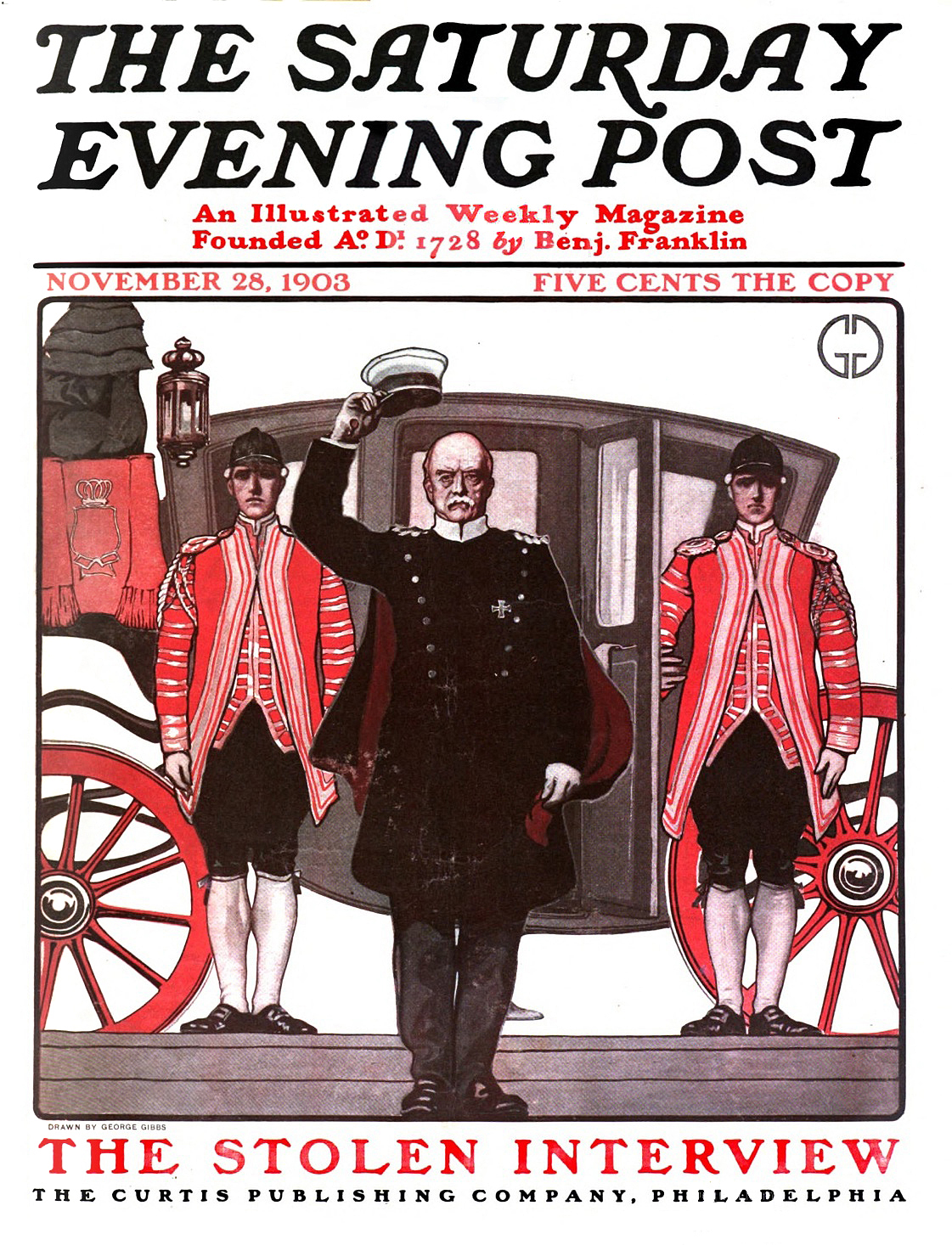
One of the magazine's best-remembered moments is the early appearance of Jack London's work: his novel The Call of the Wild was first published in serial form in the Post in 1903; the author Jack London went on to become a major figure in American letters. The Post's mix of accessible fiction and striking art helped shape mass audiences' tastes and provided a platform for both established and emerging talent. For additional context on specific issues and archives, consult this reference source.
Format, audience and legacy
The Saturday Evening Post's format combined editorial content with advertising aimed at a broad middle-class audience. Its readable fiction and memorable covers made it a staple in many households. Even as the magazine industry changed, the Post's visual identity and historical holdings have remained a subject of study for those interested in American illustration, popular literature and media history.
Summary of key aspects
- Established title with origins linked to colonial presses; modern run beginning in 1897 (magazine overview).
- Famous for cover art by Norman Rockwell and recurring features like Hazel by Ted Key.
- Published important literary works early in their circulation, including Jack London's The Call of the Wild (author).
- Served as an influential medium in 20th-century American popular culture; further resources at archival references and related links (historical context, detailed source).
Related articles
Author
AlegsaOnline.com The Saturday Evening Post Leandro Alegsa
URL: https://en.alegsaonline.com/art/98780