
Norman Rockwell: American Illustrator and Chronicler of Everyday Life
Norman Rockwell (1894–1978) was a prolific American illustrator known for warm, narrative paintings for magazines, the Four Freedoms series, and enduring images of mid-20th-century American life.
Overview
Norman Percevel Rockwell was an American artist best known for his narrative, accessible paintings and illustrations that portrayed scenes of everyday life. He worked primarily as an illustrator for magazines and advertising, producing images that combined careful draftsmanship with clear storytelling. His long association with popular publications made his work widely recognizable to 20th-century audiences. For a concise biography and career summary, see a general profile of the painter and illustrator.
Image gallery
10 Images





Life and early career
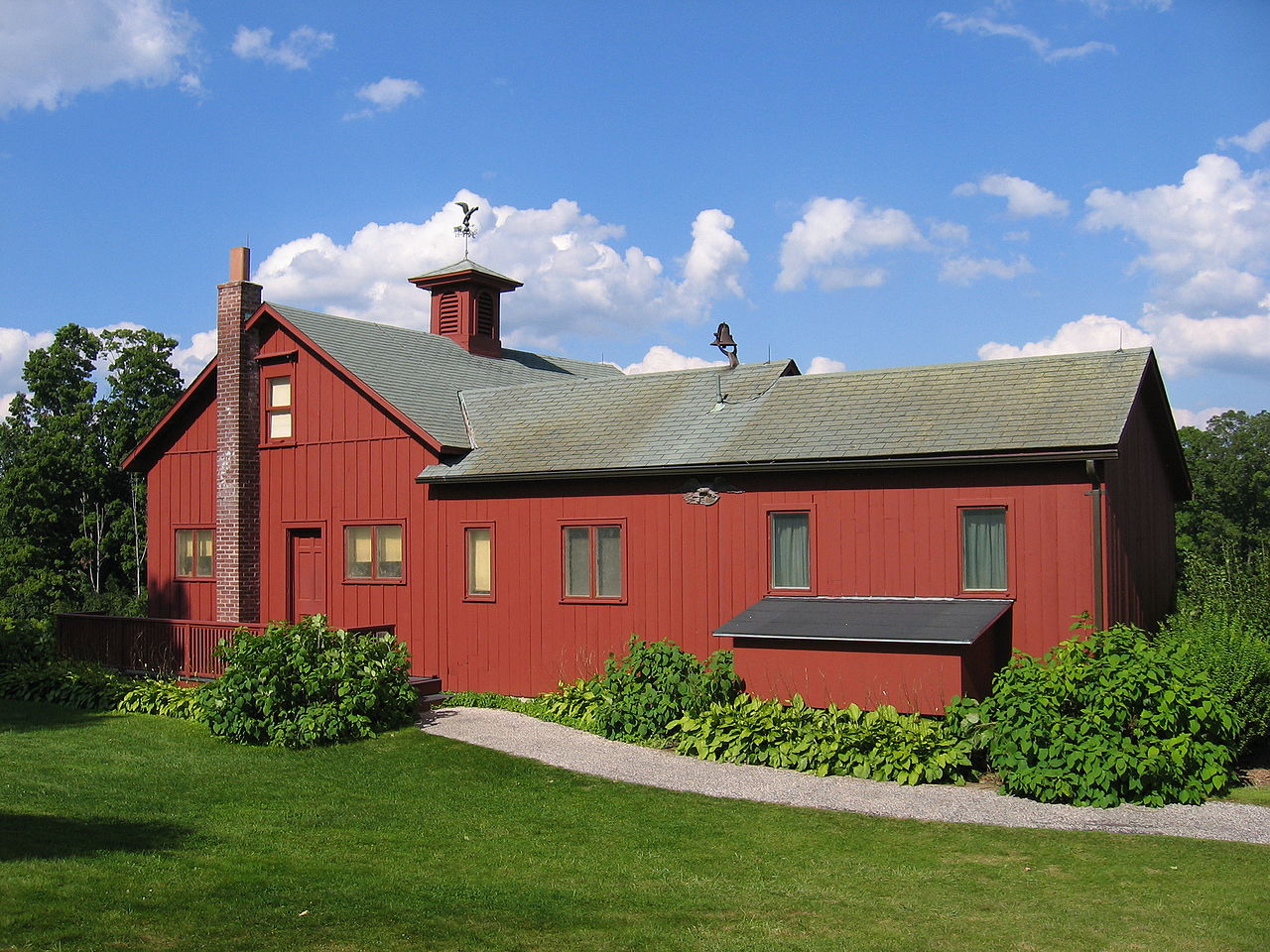
Born in New York City in 1894, Rockwell showed an early interest in drawing and began professional work while still a teenager. He trained and worked in New York before moving to more rural Massachusetts later in life. His career followed the opportunities of the commercial art world: magazine covers, advertisements and serialized illustrations. For context about his New York origins and early training, refer to material related to his birthplace and formative years.
Magazine work and public recognition
Rockwell became especially well known through his cover illustrations for widely read periodicals. For several decades he supplied covers that depicted wholesome, anecdotal scenes — children at play, family meals, neighborhood encounters — which helped define a visual idea of American domestic life. One of his longest relationships was with a major weekly magazine; more information on that association is available at the publication page here.
The Four Freedoms and wartime contribution
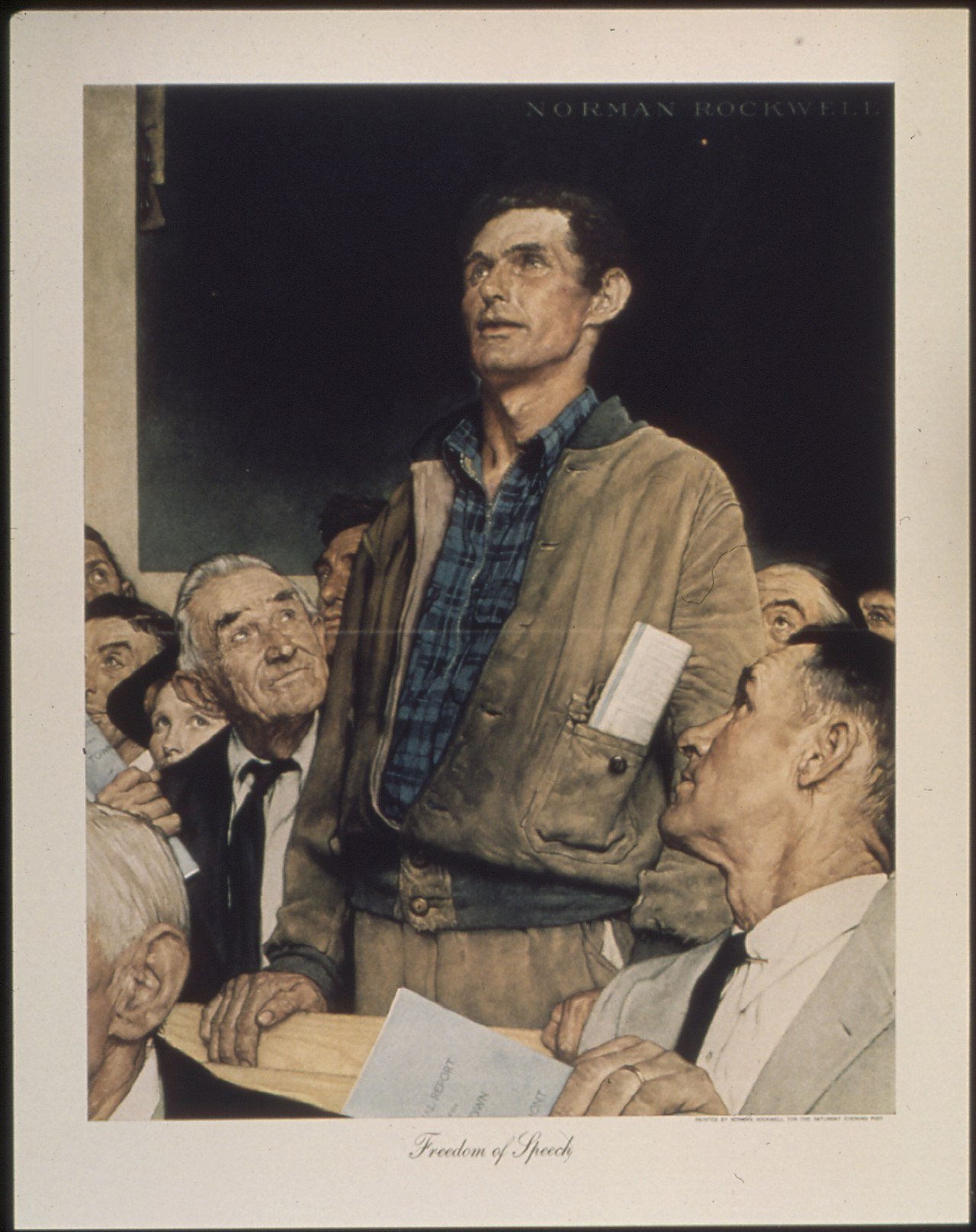
One of Rockwell's most famous projects is the Four Freedoms series, a set of paintings inspired by President Franklin D. Roosevelt's wartime speech about democratic ideals. These four images — titled to reflect Freedom of Speech, Freedom from Want and related themes — were used in wartime fundraising and became emblematic of the era's civic rhetoric. The series was explicitly connected to Roosevelt's vision; historical context on the leader mentioned in those paintings can be found via that reference.
Style, subjects, and notable works
Rockwell's paintings are characterized by clear composition, lifelike detail, and theatrical staging. He often worked from life, using neighbors, friends and family as models, and his technique favored oil paint and careful preparatory studies. While many of his images celebrate small, everyday moments, he also addressed serious social issues in later pieces that broadened public perception of his art. Among works commonly cited as representative are "Saying Grace," "Triple Self-Portrait," and a pointed civil-rights image often titled "The Problem We All Live With." A short list of well-known paintings includes:
- Saying Grace — a domestic scene of prayer before a meal
- Triple Self-Portrait — a wry study of the artist at his easel
- The Problem We All Live With — a depiction of school desegregation and a turning point in his subject matter
Reception, influence and legacy
During his lifetime Rockwell was enormously popular with the general public but sometimes dismissed by art critics as merely sentimental illustration. Over time, critical opinion has become more nuanced: scholars recognize his technical skill, narrative gift and occasional social commentary. His imagery continues to be cited in studies of American visual culture, mid-century values and the history of illustration.
Museum and further resources
Much of Rockwell's work is preserved and displayed at a museum dedicated to his art in Stockbridge, Massachusetts; that institution maintains collections, archives and educational programs and can be consulted via the museum site here. He died in Stockbridge in 1978; brief accounts of his later life and passing, including health notes, are summarized at that local record. For more focused resources and digital reproductions see general reference pages on his biography and works at this source, an overview of the Four Freedoms at that project, and additional material about the president who inspired the series at this profile.
For readers seeking curated lists, visual guides and museum information, the following anchors lead to broader reading and collections: Four Freedoms details, general biography overview, early years New York background, magazine association publication history, health and death summary later life, museum collection institutional holdings, and archival reproductions image resources.
Related articles
Author
AlegsaOnline.com Norman Rockwell: American Illustrator and Chronicler of Everyday Life Leandro Alegsa
URL: https://en.alegsaonline.com/art/70762
Sources
- biography.com : "Norman Rockwell"
- archives.gov : "Four Freedoms"