
Jack London: American novelist, journalist and adventurer
Jack London (1876–1916) was an American novelist and short‑story writer whose adventure tales and social critiques drew on experiences in Alaska, at sea, and in California.
Overview
John Griffith "Jack" London (born John Griffith Chaney, January 12, 1876 – November 22, 1916) was an American novelist, short‑story writer and journalist. He achieved international fame in the early 20th century with realistic adventure fiction and vivid depictions of nature and human struggle. London's work mixed storytelling with ideas about individualism, survival, and social justice; his best known novels include The Call of the Wild and White Fang.
Image gallery
10 Images





Life, travels and formative experiences
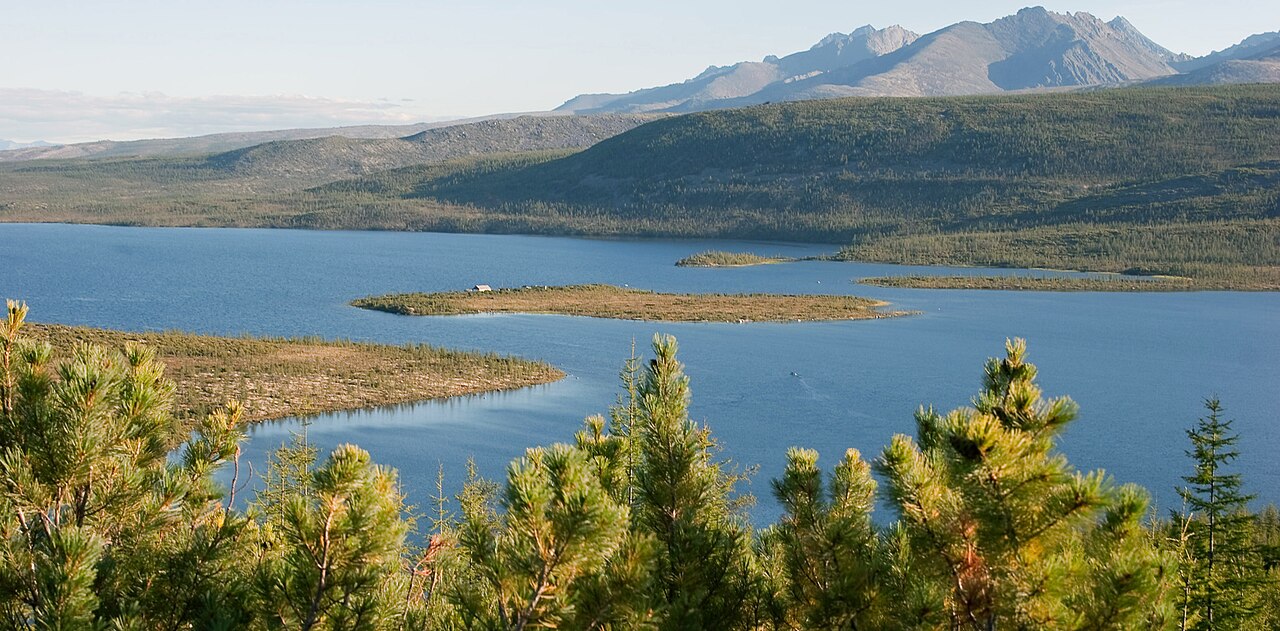
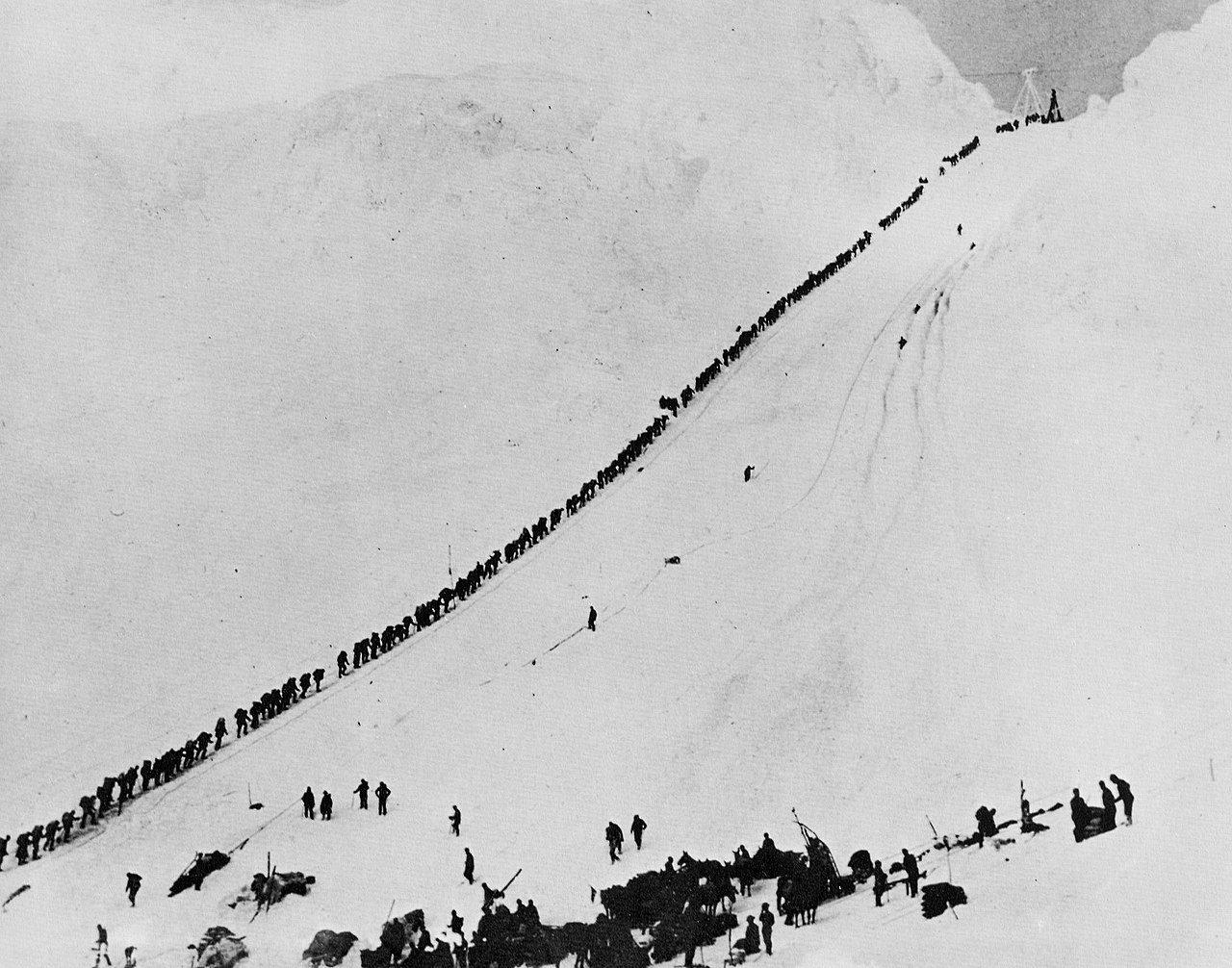
London grew up in California and left school at an early age to work a variety of jobs. He spent time as an itinerant laborer and a hobo, experiences he used as material for reportage and fiction. Young and restless, he made voyages at sea and worked briefly as an "oyster pirate," and in 1897 he traveled to the Yukon during the Klondike Gold Rush. Those northern adventures informed many of his most famous stories and helped shape his reputation as a writer who could blend lived experience with evocative storytelling.
Major works and recurring themes
London wrote novels, short stories, essays and reportage. He is especially noted for novels that feature animals, harsh environments, and moral tests: The Call of the Wild follows a domesticated dog, Buck, thrust into the brutal world of sled dogs in the Yukon; White Fang traces the life of a wild wolfdog moving toward domestication. The Sea‑Wolf examines power and philosophy aboard a sealing vessel, while The Iron Heel offers an early dystopian critique of concentrated power and social inequality. Across his output, themes include survival, nature versus civilization, evolutionary struggle, and questions of social order.
Political beliefs and social engagement
London was an outspoken observer of his era. He identified with socialist ideas and wrote both fiction and essays that explored class conflict and labor issues. His political commitments influenced works such as The Iron Heel and numerous articles and novels. At the same time, his worldview combined romantic notions of tough individualism with concern for workers and the disadvantaged, producing a sometimes contradictory but consistently engaged body of work.
Personal projects and later years
In California he experimented with farming and animal husbandry and sought to create a self‑sustaining estate. He married twice; his second wife, Charmian Kittredge (Charmian London), was a close companion for many years and played a significant role in preserving his legacy after his death. London built an ambitious home, known as Wolf House, which burned before he could live in it. He died in 1916; contemporary accounts record illness and depression in his final years, and the exact circumstances of his death have prompted differing interpretations.
Legacy and significance
Jack London remains one of America's best‑known early 20th‑century authors. His adventurous narratives widened the public's appetite for stories set in extreme places, and his social writing influenced debates about labor and inequality. Many of his works are still read for their dramatic storytelling, lively prose and historical insight into an era of rapid change. Critics continue to reassess his racial and political views within the context of his time.
Selected works
- The Call of the Wild — adventure and survival in the Yukon
- White Fang — the life of a wild wolfdog
- The Sea‑Wolf — power and philosophy at sea
- The Iron Heel — an early dystopia about oligarchy
- The Road — autobiographical sketches of vagrancy and travel
Further reading and online resources
- Biography and overview
- Bibliography and collected works
- Text of selected novels
- California connections and archives
- Personal letters and manuscripts
- Hawaii: visits and influence
- Alaska and the Klondike context
- The Call of the Wild resources
- Animal stories and themes
- Klondike Gold Rush background
- Historical context: turn‑of‑the‑century America
- Studies of wolves and dogs in literature
- Accounts of itinerant life and the road
- Political writings and essays
- Socialist ideas and influences
- The Iron Heel: analysis and criticism
- Maritime adventures and sea stories
- The oyster trade and early occupations
- Works about sailing and seafaring
- Archives, museums and commemorations
Questions and answers
Q: What was the name of Jack London's most famous book?
A: The Call of the Wild.
Q: When did Jack London live?
A: Jack London lived from January 12, 1876 to November 22, 1916.
Q: What is The Call of the Wild about?
A: The Call of the Wild is about a dog named Buck who is taken to Alaska to work with a pack of dogs pulling a sled during the Klondike Gold Rush.
Q: What other books did Jack London write?
A: Besides The Call of the Wild, Jack London also wrote White Fang and The Road (about his time as a hobo), and many books about sailing and boats such as The Sea Wolf.
Q: Who was Jack London's second wife?
A: His second wife was Charmian Kittredge, an athletic woman and an intellectual companion that broke the mold of Victorian womanhood.
Q: What were some of Jack London's political beliefs?
A: He was a socialist and wrote a book called The Iron Heel which is about government using force against the socialist movement.
Q: How did Jack London die?
A: He died in a state of depression.
Related articles
Author
AlegsaOnline.com Jack London: American novelist, journalist and adventurer Leandro Alegsa
URL: https://en.alegsaonline.com/art/121132
Sources
- ↑
- books.google.com : 23
- library.eb.com : London, Jack
- docs.lib.purdue.edu : docs.lib.purdue.edu/dissertations/AAI3113867/
- santarosahistory.com : santarosahistory.com/wordpress/2016/11/the-case-for-arson-at-wolf-house/
- theses.fr : theses.fr