
The Nightingale (Andersen)
Encyclopedic article on Hans Christian Andersen’s 1844 fairy tale “The Nightingale”: origins, plot, themes, publication, reception and adaptations in music, theatre and illustration.
Overview
"The Nightingale" is a literary fairy tale by Hans Christian Andersen. First published in 1844 as part of a collection commonly called New Fairy Tales, it appears alongside other stories of the period such as "The Ugly Duckling". Andersen’s tale sets a humble, living nightingale against a jeweled mechanical bird to explore questions of art, authenticity and human feeling. The story is short and fable-like, yet it carries moral and aesthetic implications that have invited extended commentary and creative adaptation.
Image gallery
5 Images


Origins and composition
Andersen began writing the tale in October 1843 and completed it swiftly. Contemporary accounts and later commentators link the story’s inspiration to public entertainments and performers familiar to Andersen: the recently opened pleasure grounds of Tivoli Gardens in Copenhagen, with their orientalist decoration and spectacle, and the fame of the Swedish singer Jenny Lind, often nicknamed the "Swedish" Nightingale because of her celebrated voice and public appeal. Andersen’s admiration for extraordinary vocal talent and his impression of popular entertainments shaped the tale’s contrast between genuine song and artificial novelty (opera singer culture of the time).
Plot summary
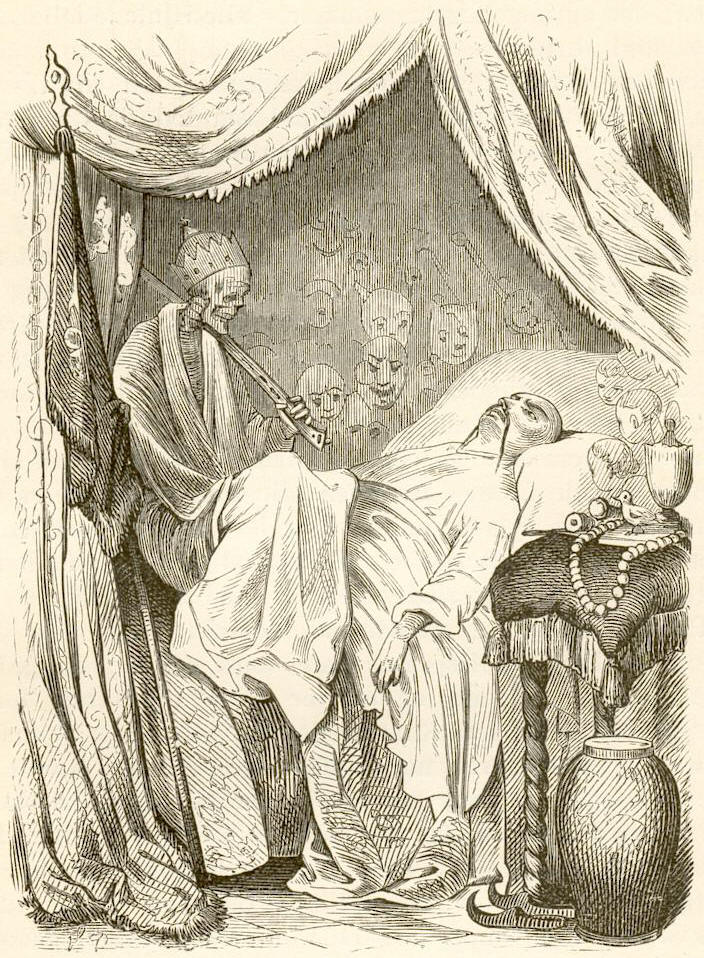
The tale is set at the Chinese emperor’s court. A real nightingale, whose simple, natural song moves all who hear it, becomes known and admired. The emperor enjoys the bird’s presence until courtiers bring him a bejeweled mechanical bird that plays a fixed tune and impresses the court with its brilliance and novelty. The real nightingale is overlooked and eventually flies away. Later, when the mechanical bird malfunctions and the emperor becomes ill, it is the living nightingale that returns to sing for him. Its song comforts the dying emperor, restores his spirits and teaches humility to the court. The story closes on a note of compassion and the primacy of living art over imitation.
Main characters
Principal figures include the emperor, whose tastes and fortunes move the plot; the genuine nightingale, a symbol of natural art and compassion; courtiers and advisors who prefer glittering novelty; and the craftsman who fashions the mechanical bird. Although characters are sketched rather than deeply individualized, their roles serve Andersen’s moral and aesthetic contrasts.
Themes and symbolism
Scholars and readers commonly note several overlapping themes. The opposition between authenticity and imitation is central: the living bird stands for spontaneous, life-connected art, while the mechanical bird embodies artifice, technology and fashionable spectacle. The tale also treats mortality and compassion—most notably when the nightingale’s song soothes the emperor in sickness. Other readings highlight the story as commentary on celebrity and the public appetite for novelty, as well as Andersen’s own ambivalent feelings about fame, performers and popular entertainment.
Style and literary context
The narrative voice mixes childlike simplicity with moral seriousness, a hallmark of Andersen’s prose tales. Andersen uses an exoticized Chinese setting as a distancing device that permits universal reflection on taste, power and the role of the artist; the setting is imaginative rather than ethnographically accurate. The tale’s compact form, clear moral trajectory and vivid imagery have helped ensure its enduring place in Andersen collections and teaching anthologies.
Publication and reception
Published in 1844, the tale received positive attention along with Andersen’s contemporaneous stories. Critics appreciated the collection’s imaginative qualities, and the story quickly entered translations and anthologies for children and general readers. Over time, interpretations have ranged from simple moral reading for young audiences to sophisticated critical accounts linking the story to 19th‑century technological change and debates about art and authenticity.
Adaptations and cultural legacy
- Music and theatre: "The Nightingale" has inspired musical settings, stage adaptations and ballets that emphasize the contrast between live and mechanical sound and explore the tale’s emotional core.
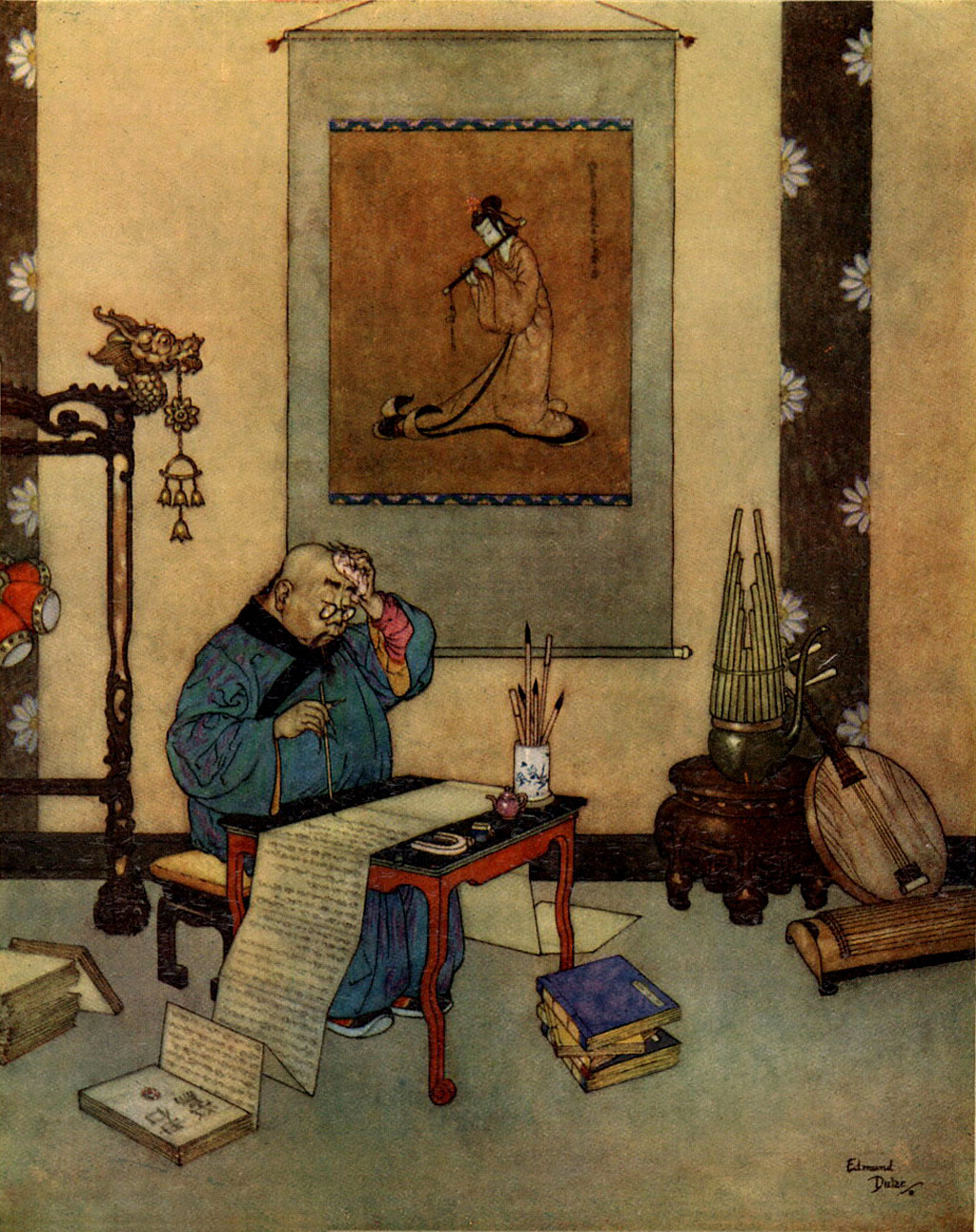
- Illustrated editions: Artists have repeatedly reimagined the tale, sometimes emphasizing the court’s glitter and sometimes the intimacy of the bird’s song; illustrations have contributed to the story’s reputation and accessibility.
- Translations and pedagogy: Regularly translated, the tale is used in language instruction and literary study as an example of Andersen’s narrative art and of 19th‑century fairy-tale innovation.
Notable associations
The tale is often discussed in the context of Andersen’s life and interests. Readers sometimes point to Andersen’s own reactions to Jenny Lind and to the spectacle of public amusements such as Tivoli as informing the story’s concerns. The year of publication is one of several facts commonly noted in introductions to Andersen’s work (1844). Andersen’s broader oeuvre and the contemporary cultural scene help situate "The Nightingale" among his most admired shorter tales.
Legacy
"The Nightingale" endures as a compact fable about art, authenticity and human compassion. Its spare narrative and emotive climax have made it a frequent subject for adaptations and commentary. For readers today, the tale can be enjoyed simply as a moving short story and studied more deeply as a reflection on how societies evaluate and consume artistic expression.
Related articles
Author
AlegsaOnline.com The Nightingale (Andersen) Leandro Alegsa
URL: https://en.alegsaonline.com/art/98529